Gundlach urges 20% cash, 20% commodities as 2026 Fed cuts fade
DoubleLine Capital chief investment officer Jeffrey Gundlach told Bloomberg the Fed will not cut rates in 2026 and that investors should hold 20 per cent in cash and 20 per cent in commodities. He would buy gold below $3,500 an ounce.

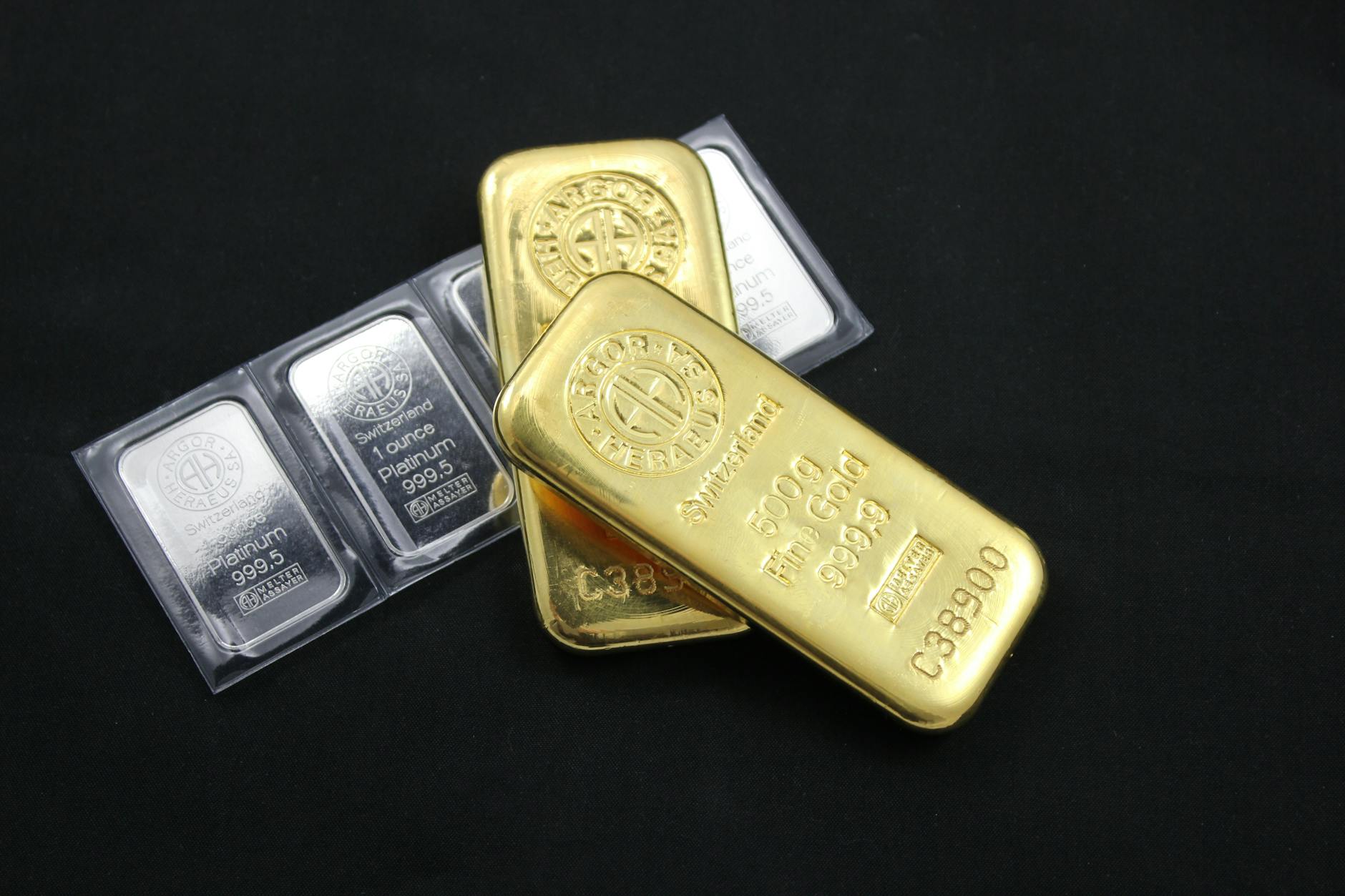
Jeffrey Gundlach told Bloomberg this week that investors banking on Federal Reserve rate cuts in 2026 are riding the wrong horse, and that 20 per cent of every portfolio belongs in cash and another 20 per cent in commodities. The DoubleLine Capital chief investment officer, often called the Bond King, also said he would buy gold “with both hands” if the metal slipped below $3,500 an ounce, a level it last traded at in early 2025.
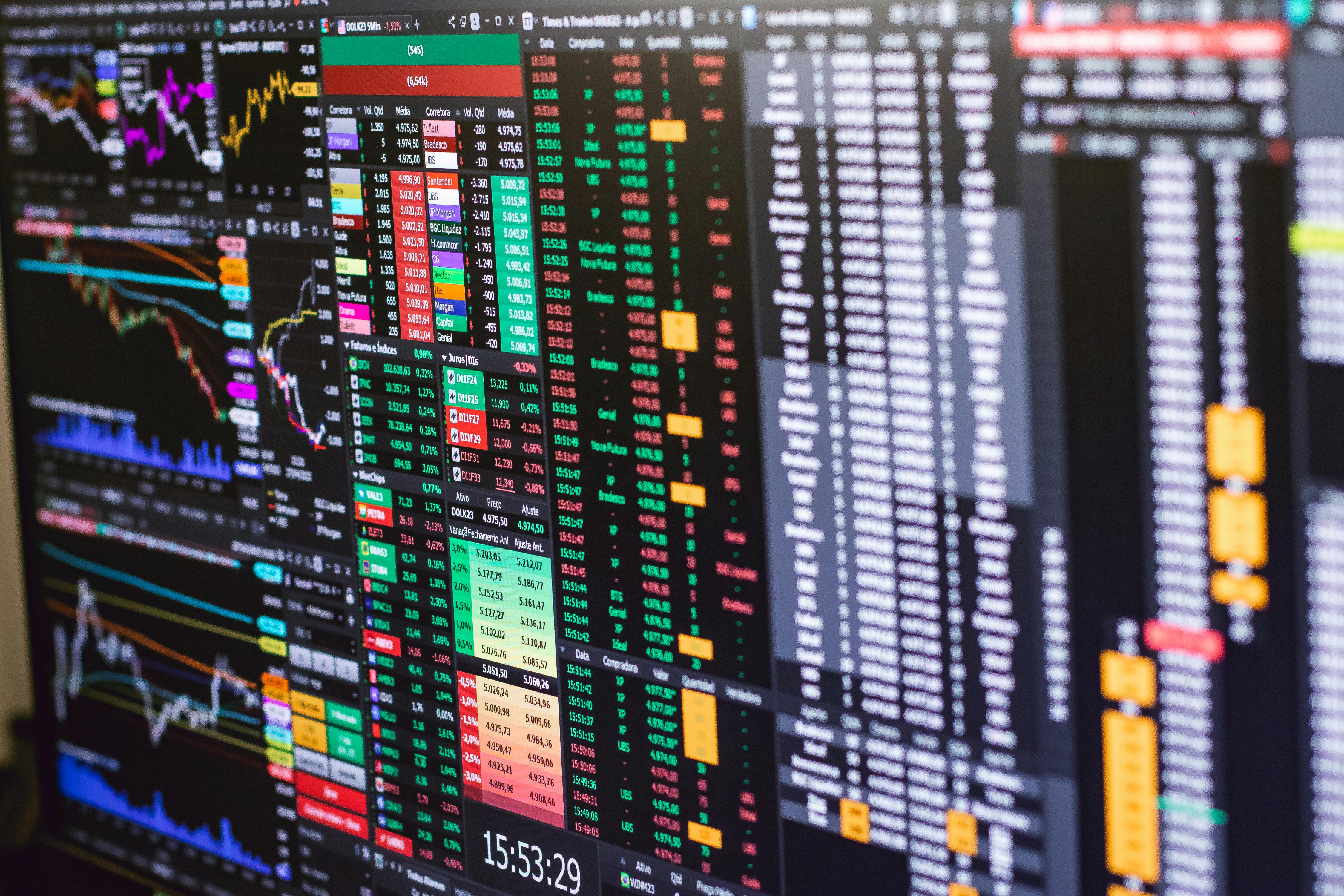
First reported by Bloomberg and picked up by Business Insider on May 9, the comments land at an awkward moment for risk assets. The S&P 500 and Nasdaq Composite have ground to fresh records in recent weeks despite the absence of a US-Iran ceasefire, the persistence of 3.5 per cent core inflation, and a Fed funds target range that has not moved since December 2025. Gundlach’s argument is that the rally is built on a thesis that no longer holds.
“If you’re buying risk assets on the back of only two rate cuts is your high conviction idea, you’re back on the wrong horse,” Gundlach said. “We’re not going to get rate cuts this year.”
Why the rate-cut trade is unraveling
At the start of 2026, fed funds futures were pricing two to three quarter-point cuts before December. Those expectations have collapsed. Outgoing Fed chair Jerome Powell held the target range at 3.50 per cent to 3.75 per cent at the April 29 FOMC meeting, his last in the chair, with only governor Stephen Miran dissenting in favor of a cut. The bond market’s implied probability of a 2026 cut sat at roughly 3 per cent the day after the meeting, down from 18 per cent a session earlier, according to Morningstar.
A 69-day US-Iran war is the immediate culprit. The conflict has held Brent crude well above pre-war levels and Morningstar projects Personal Consumption Expenditures inflation will print near 3.8 per cent for April, up from 3.5 per cent in March. With prices reaccelerating, three FOMC members went so far as to oppose any “easing bias” in the meeting’s policy statement, a hawkish signal that scramnews covered in its reading of the Fed’s narrowing window.
Goldman Sachs has already pushed its base case for a first cut out to December. Bank of America, in a note picked up on May 8, now sees no easing until the second half of 2027. Reuters surveys put global brokerages “sharply split” on whether even one cut survives the year. Gundlach’s call sits at the more hawkish edge of that distribution but no longer at its outer fringe.
The 20-20 portfolio
Gundlach’s prescription is defensive in shape and conventional in components, with the unconventional twist sitting in the size of each bucket. He recommends holding 20 per cent of a portfolio in cash, unchanged from his guidance a year ago, and lifting hard-asset exposure to 20 per cent from a previous 10 to 15 per cent. The cash position, he argued, buys optionality in a market where valuations leave little margin for error. The hard-asset position is the inflation hedge.
He did not name a fixed gold allocation, but reiterated his earlier remark that holding up to 25 per cent of a portfolio in bullion would not be “excessive.” On a bullion price that closed near $4,750 an ounce on May 7, according to USA Today’s gold tracker, the 25 per cent ceiling implies a portfolio tilt that few mainstream advisers would endorse. Wells Fargo’s gold strategists this month moved their twelve-month price target above $6,000 an ounce.
The “with both hands” line about a $3,500 entry sets a floor that is more than 25 per cent below current spot. Spot gold has rallied about 50 per cent since the start of 2026, a move catalogued in scramnews’s coverage of the latest push toward $4,800 on the back of softer real yields and the prospect of a US-Iran de-escalation. A pullback large enough to trigger Gundlach’s stated buying interest would either require a rapid resolution of the Gulf conflict or an unexpected Fed pivot back to tightening, neither of which markets are positioning for.
“Extremely, extremely high”
Gundlach’s framing of the equity market is blunter than his framing of bonds. He described US stock valuations as “extremely, extremely high” given the residual risk of higher rates, according to a Bloomberg-sourced summary syndicated by Bitget’s news desk on May 9. By most standard yardsticks, including forward earnings multiples and the Shiller cyclically adjusted ratio, the S&P 500 sits in territory not seen outside the dot-com peak.
Gundlach has been more specific elsewhere. In a separate Benzinga note dated May 8, he likened the boom in private credit and AI-themed exchange-traded funds to “weeds” of the kind that thrived late in the dot-com cycle and again in the run-up to 2008. The implication is that the marginal dollar drawing inflows in 2026 is going to the most cyclically exposed corners of the market, even as the underlying macro signal turns the other way.
The DoubleLine CIO has not gone short. He has not exited equities. He has, in his own words, simply trimmed the share of a portfolio that is asked to perform under one specific scenario, namely that the Fed delivers two cuts and stocks coast higher on the back of them. Take that scenario off the table, he is saying, and the portfolio needs to look different.
The Treasury restructuring tail risk
The most striking part of Gundlach’s interview is not the asset-allocation advice, which is in line with several large macro shops, but the contingency he says he is positioning his bond books against. He told Bloomberg that the US government may eventually attempt to “swap out” higher-coupon Treasuries for lower-coupon paper of identical maturity in response to a future recession.
He sketched the mechanic in concrete terms. A 4 per cent coupon, he said, could be unilaterally replaced with a 1 per cent coupon, leaving principal and maturity untouched but cutting the federal interest bill by three quarters. He called the move “the ultimate way of kicking the can down the road.”
To prepare, DoubleLine has been replacing higher-coupon Treasuries in some portfolios, including its flagship, with the lowest-coupon issue available at each maturity point. The trade looks dull on a yield basis. It pays off only in a tail scenario that resembles a soft sovereign default. But it is internally consistent with the rest of Gundlach’s posture: a willingness to give up a small amount of carry to retain optionality if the federal balance sheet becomes the policy variable rather than the constraint.
What it means for the rest of the desk
For investors anchored on the same playbook that worked through 2024 and 2025, Gundlach’s note is less a forecast than a stress test. The cuts that drove last year’s risk-asset rally are no longer a base case for the marginal Wall Street strategist, let alone the most public bond investor in the country. Goldman has moved, as scramnews reported in its piece on Goldman’s December delay. Bank of America has moved further. The questions Gundlach raised this week, on whether the Fed cuts at all in 2026 and on whether stocks priced for that scenario can hold their bid, are now the desk-level questions for the second half.
The 20-20 cash-plus-commodities tilt is unlikely to be widely adopted. The 25 per cent gold ceiling is a public provocation more than a recommendation. But the framing matters. With the federal funds target range stuck at 3.50 per cent to 3.75 per cent, with PCE inflation drifting toward 3.8 per cent, with incoming chair Kevin Warsh inheriting the file from Powell, and with the most-watched Treasury investor in the country running a portfolio that hedges a coupon haircut, the burden of proof has shifted. The bull case for risk assets now requires either a peace deal in the Gulf, a clean disinflation from current levels, or a pivot from Warsh that markets have not yet earned the right to expect.
Sloane Carrington
Markets columnist. Analytical pieces and deep-dives on monetary policy, capital flows and corporate strategy. Reports from New York.