Micron’s $22bn commitments show AI memory is still tight
AI memory demand is still outrunning supply as Micron pairs a blowout fourth-quarter outlook with $22 billion of customer commitments.
Micron Technology forecast fiscal fourth-quarter revenue of $49 billion to $51 billion, reported fiscal third-quarter revenue of $41.46 billion and adjusted earnings of $25.11 a share, and disclosed $22 billion of customer commitments to secure supply, sending the shares up 16 per cent in extended trading on Wednesday, CNBC reported. On the surface, that was another outsized semiconductor print. Underneath, it looked more like a supply-chain signal: large AI customers are still willing to sign away flexibility to make sure they get the memory they need.
Investors usually treat memory as the cyclical, disposable part of the chip stack. Nvidia and the server makers captured most of the glamour, while DRAM and HBM, the stacked memory used beside AI accelerators, were supposed to follow. Micron’s quarter argues the reverse. If customers are committing $22 billion upfront and management says roughly half of revenue will sit under strategic agreements, as Reuters reported, then AI spending has moved beyond opportunistic ordering into procurement behaviour that looks contractual, defensive and hard to reverse quickly.
Yet the same numbers that make the bull case cleaner also sharpen the question on the other side. Extraordinary pricing power in memory never lasts forever, and the market is already trying to work out whether Micron is describing a durable new order or simply the fattest stretch of a shortage cycle. MarketWatch argued that even Apple may have to absorb or pass on higher memory costs, while a separate CNBC analysis showed the shortage is already spilling past data centres into consumer hardware. That is not just an equity story. It is a test of how far AI infrastructure spending can ripple through the rest of the electronics stack before buyers resist.
Contracts over the cycle
What mattered most in Micron’s report was not the revenue guide. It was the structure of the demand behind it. The company said it has signed 16 strategic customer agreements with take-or-pay style commitments and put the aggregate value at $22 billion, according to Reuters. That starts to make the company look less like a classic memory vendor riding daily price moves and more like a constrained supplier whose output is being reserved in advance.

Micron chief executive Sanjay Mehrotra put the point more starkly in remarks carried by Reuters:
We expect tight conditions to persist beyond calendar 2027 as a result of AI-driven demand across all segments coupled with structural supply constraints.
Sanjay Mehrotra, Micron chief executive, quoted by Reuters
For markets, that language is why the quarter reads as a broader AI-capex datapoint. When semiconductor executives talk about demand staying strong, investors often discount the claim as ordinary guidance management. When they talk about tight conditions lasting another 18 months or more while lifting capital spending, the signal is different: supply still is not catching the demand curve. Bloomberg’s post-earnings coverage framed the share move as a verdict on that point, not simply on a beat.
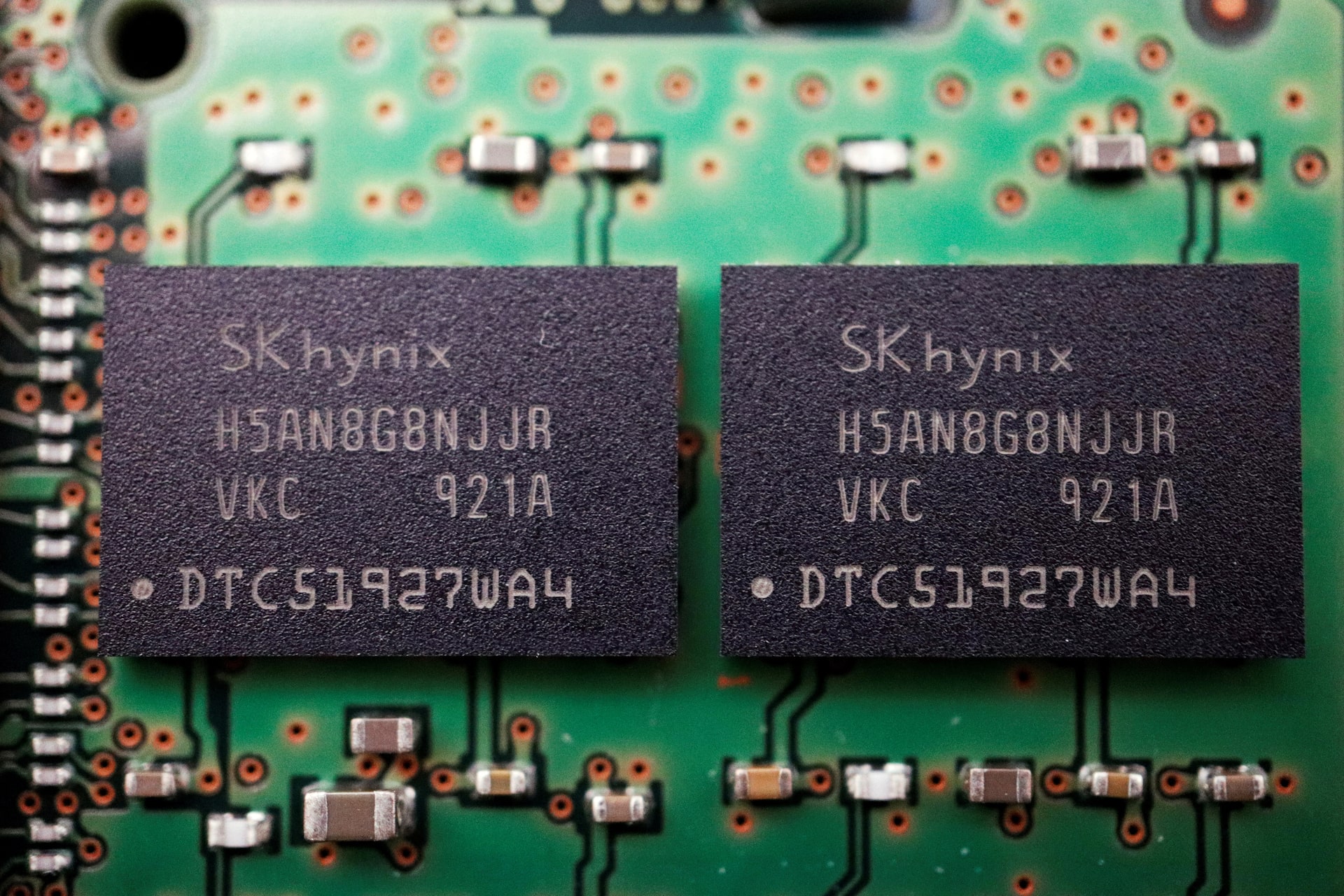
Elsewhere in the sector, the stock-market comparison set has widened. SK Hynix’s planned Nasdaq listing and the surge in its valuation, as Tom’s Hardware noted, are symptoms of the same trade. The market is not only rewarding AI accelerators; it is rewarding the suppliers of the bottleneck components around them. Memory, long the volatile middle child of semiconductors, has become infrastructure.
The shortage moves down the stack
From the perspective of device makers, the quarter is less flattering. If Micron can keep signing contracts at premium prices, somebody else has to absorb those costs. CNBC reported last week that the memory squeeze had become severe enough to threaten pricing decisions at Apple, while Business Insider argued that the AI data-centre boom is making a wider range of goods more expensive. That does not mean an iPhone uses the same memory package as an AI server. It does mean wafer capacity, capital allocation and supplier attention are being pulled toward the highest-return parts of the market.
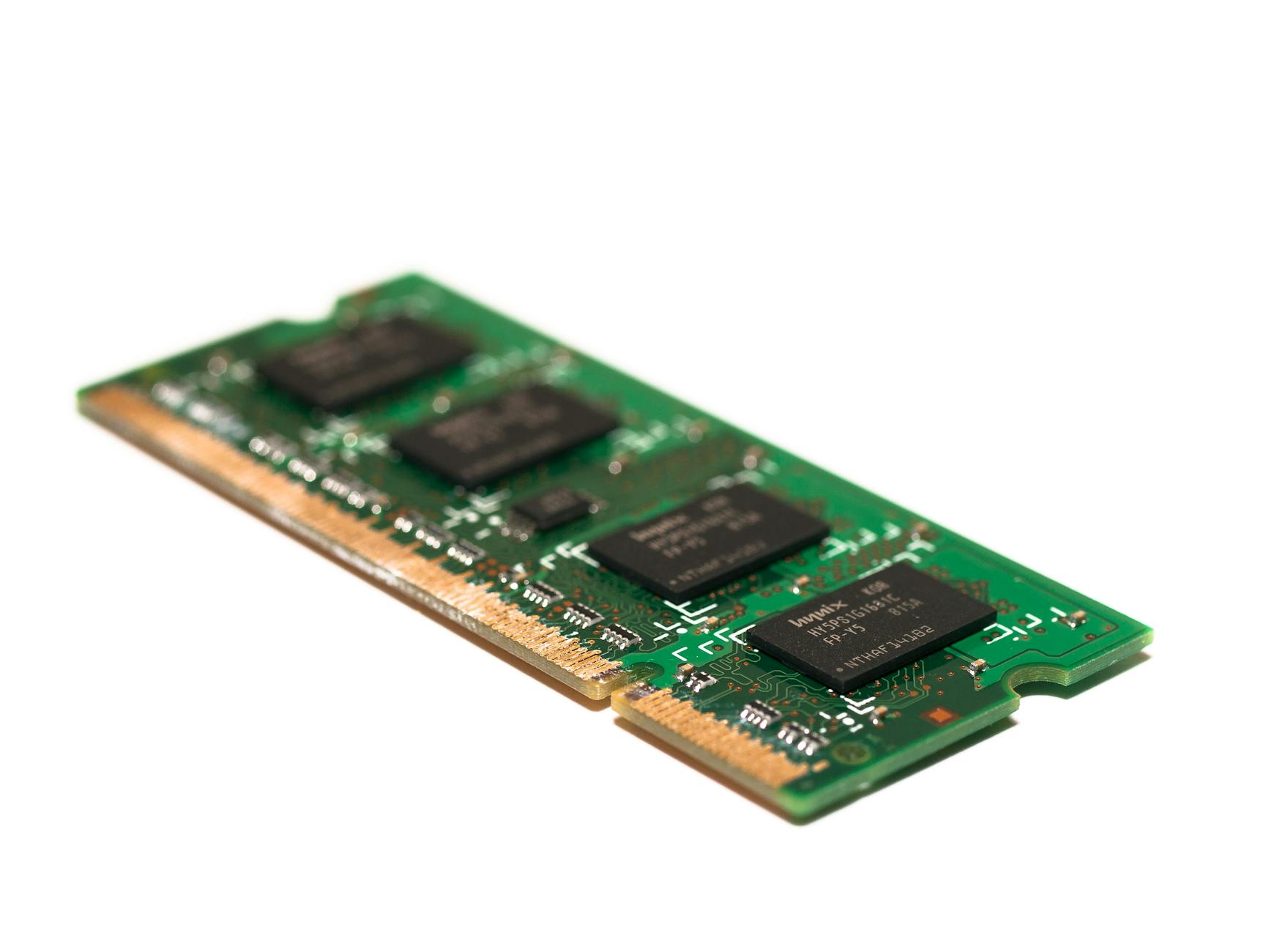
Recent history supports that reading. The Register reported earlier in June that DRAM costs could rise another 63 per cent in the quarter, and Tom’s Hardware wrote that even older DDR2 memory was being dragged higher because producers were steering capacity toward HBM and server DRAM. In other words, the shortage is no longer confined to the premium AI tier. It is starting to reorder what gets built, what gets delayed and what gets repriced across the broader electronics chain.
For downstream hardware groups, that is the part of Micron’s quarter that answers the user-affected question, at least partially. Device makers do not need to wait for a formal shortage declaration before changing behaviour. They can redesign product mixes, negotiate harder on other components or pass through higher bills in increments. MarketWatch’s analysis matters here because it translates Micron’s bullish language into a downstream problem: premium pricing at the top of the stack tends not to stay there.
Analyst Daniel Newman, quoted by Reuters, captured the bullish version of that transmission channel:
The size and scale of the AI build out has been underestimated at every turn and memory will continue to command premium pricing on supply constraints.
Daniel Newman, quoted by Reuters
More capital, same bottleneck
Bullish builders argue that high prices and long-term contracts should solve themselves. Micron is guiding roughly $10 billion of fourth-quarter capital spending, Reuters said, and SK Hynix is seeking $29 billion through a Nasdaq listing to fund its own HBM position. If capital markets are willing to finance new capacity this aggressively, the argument goes, supply should eventually catch up and bring the market back toward normal semiconductor economics.
Still, that outcome is not the same as imminent. New capacity in advanced memory does not appear overnight, and contracts are being signed now because customers do not trust the market to clear quickly. One reason The Register’s analysis landed is that it described Micron’s pricing as historically high not because the company suddenly discovered a better sales pitch, but because large buyers appear willing to trade optionality for certainty. That is rational behaviour in a bottleneck, and it is exactly the behaviour that can keep a bottleneck alive longer than investors expect.
The sceptical read is still worth keeping close. Jake Behan, quoted by Reuters, warned that Micron’s bull case rests on tightness itself:
The bull case is built on tightness. Once supply starts to creep back, pricing power is the first thing at risk.
Jake Behan, quoted by Reuters
Even so, that caveat should stop the quarter from turning into an uncomplicated supercycle call. Memory has embarrassed investors before by looking scarce right up until it was not. But Micron’s latest report did not look like the late stage of exhaustion. It looked like another reminder that AI demand is still powerful enough to reshape how semiconductor supply gets financed, rationed and priced.
Viewed that way, Micron’s quarter does not merely say that one chipmaker sold more bits at better prices. It says the AI buildout is still forcing customers to secure the least glamorous but most essential parts of the stack with long-term commitments, while rivals raise fresh capital to chase the same gap. As long as that remains true, Micron will trade less like a cyclical memory name and more like a running score of how hard customers are still spending to keep the AI machine fed.
Sloane Carrington
Markets columnist. Analytical pieces and deep-dives on monetary policy, capital flows and corporate strategy. Reports from New York.