Gulf tanker rate hits 897% as shipping shock bites
Gulf tanker rates jumped to 897% of benchmark freight as vessel scarcity persisted even with Brent below $76, tightening delivered oil costs.
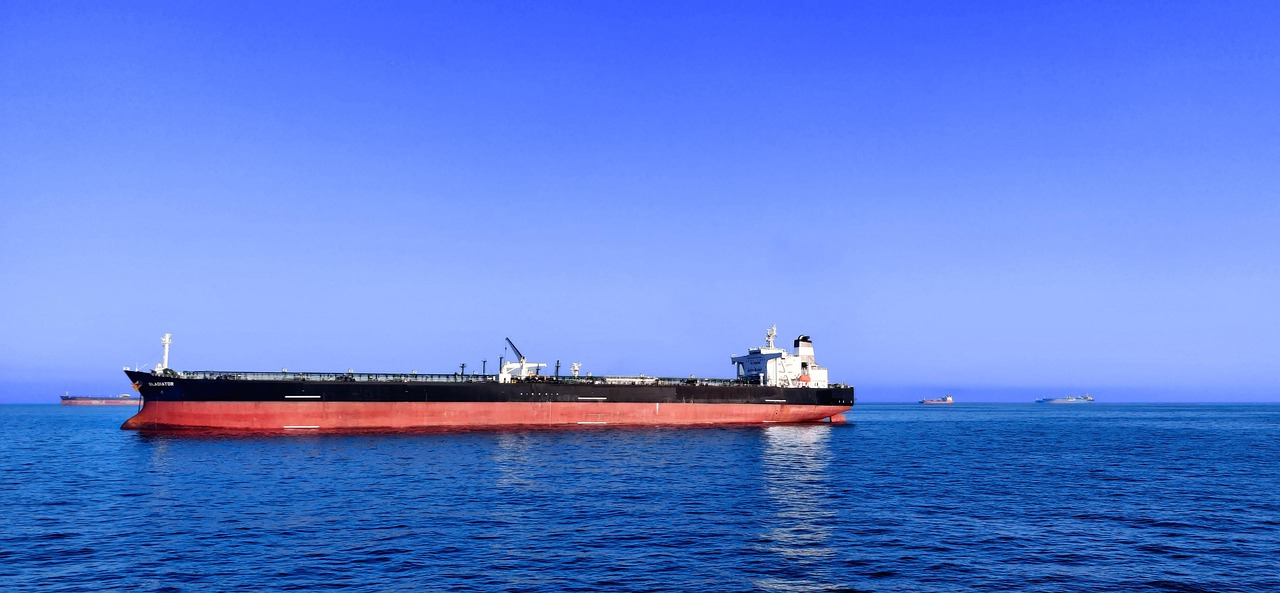
A supertanker was provisionally booked to carry crude from the Persian Gulf to India at 897 Worldscale points on Wednesday, or 897 per cent of benchmark freight, even as Brent crude traded below $76 a barrel.
The fixture, which Bloomberg said was the highest reported this year, covered a vessel able to carry about 2 million barrels. It pointed to a shortage of empty tankers in the Gulf at the same time outright crude prices were easing. For buyers, that mix is awkward: the barrel can look cheaper on screen while the cost of getting it to a refinery jumps.
Freight is part of the landed cost, not a rounding item. A retreat in flat prices does not fully relieve pressure if chartering the ship becomes the constraint, especially for refiners that need prompt cargoes rather than optional barrels they can push into a later buying window.
The booking linked to South Korean shipowner Sinokor turned a security premium into a transport bottleneck. India is a key destination for Gulf crude. A spike on that route gives traders a direct read on how quickly regional tension can reach physical trade.
Shipping costs outlast oil’s pullback
Worldscale is the benchmark system used to quote tanker freight. A reading close to nine times the benchmark means charterers are bidding for scarce tonnage at levels that can alter cargo economics quickly, particularly if owners demand a much higher return before sending empty ships back into the region.
One fixture does not reset the whole tanker market, and provisional bookings can change before loading.
Spot shipping is thin enough, though, that an outlier on a core Gulf route can move expectations. Traders are watching whether available vessels are disappearing faster than crude buyers are retreating.
The signal from futures was calmer. CNBC reported WTI at $71.87 and Brent at $75.68 on the same day, both below the peaks reached when traders were pricing a more direct supply shock. Freight was saying something narrower: barrels may be available, but moving them safely and quickly through the Gulf is still expensive.
For Asian buyers, the difference is practical. A refinery can see benchmark crude soften on screen and still face a higher all-in bill once freight is added. That can keep pressure on prompt buying decisions and preserve a regional premium without another jump in outright oil prices.
CNBC also quoted Arsenio Dominguez on efforts to keep navigation moving through the area.
“We have secured the necessary safety guarantees and have thoroughly verified the conditions for safe navigation to support these operations”
Arsenio Dominguez, CNBC
That assurance helps explain why crude has come off the highs. It does not mean the logistics market has normalised. Freight reacts to vessel availability, insurance costs and routing choices, and those strains can last after the flat price eases.
Karen Young, quoted in CNBC’s report, said fears of an immediate jump in US gasoline prices were misplaced because “that’s not really how gasoline prices work in the U.S.” The tanker booking still matters for crude buyers because it shows the regional shock shifting into transport costs rather than only the headline barrel price.
If similar charters keep clearing anywhere close to Wednesday’s level, the Gulf premium will be measured in the cost of securing a ship as well as in Brent and WTI futures. Delivered barrels can stay expensive on a day when crude benchmarks are moving lower.
Reza Najjar
Commodities desk covering oil, natural gas, gold and base metals. Reports from London.