The petrochemical bottleneck making electronics inflation sticky
The Jubail petrochemical shutdown knocked out ~70% of the world's high-purity PPE resin, sending PCB prices up 40% in a month. The Iran supply shock has reached electronics.
Consumers will not hear the words “PPE resin shortage” at the Apple Store this autumn. They may feel it anyway — in higher prices, tighter launch inventory, fewer discounts, and longer repair times.
That is the transmission belt now locking into place between the Strait of Hormuz and the electronics aisle. The Jubail petrochemical complex in Saudi Arabia — the source of roughly 70 per cent of the world’s high-purity polyphenylene ether resin — has been offline since Iranian missile strikes hit the site in March. No alternative supplier can fill the gap at scale. Four months into the Hormuz disruption and the shortage has moved past crude benchmarks, into the guts of every device that carries a printed circuit board.

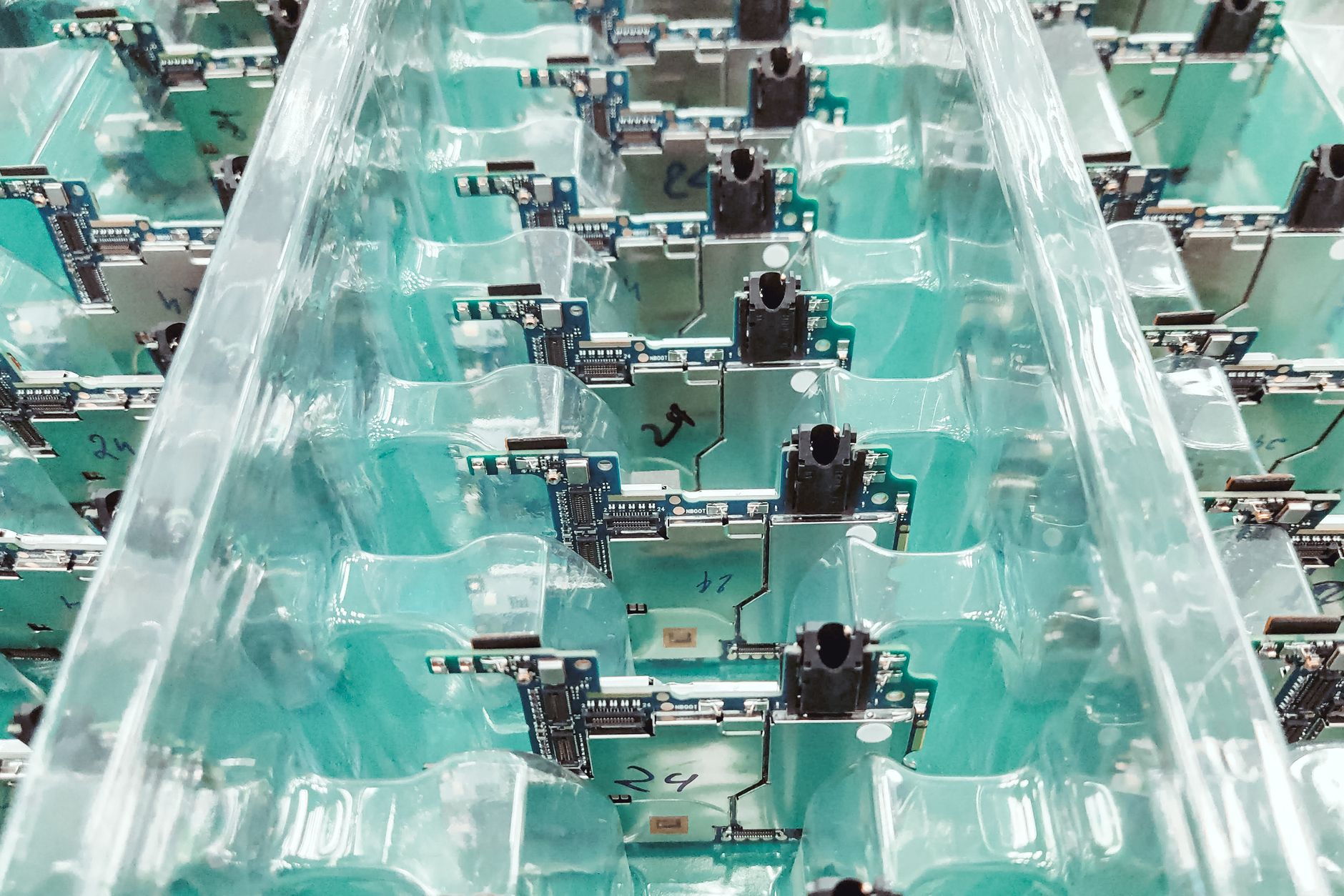
Usha Haley, a supply chain expert at Wichita State University, is blunt about the arithmetic. “Production has now come to a standstill and no alternative supplier exists to fill the gap,” she told CNBC. PCB prices have surged 40 per cent in a single month, per a Goldman Sachs note cited by Reuters. Lead times for epoxy-resin inputs have stretched from three weeks to fifteen. There is no workaround.
Substitute resins exist, technically. They require full requalification and board redesign — a process that takes months and is impractical for premium devices where thermal and signal integrity cannot be compromised. The shortage is structural, not cyclical.
What the bottleneck hits first

Not every device absorbs the shock the same way. Apple carries enough supply-chain heft and margin cushion to slide the pain around — trimming promotions, nudging storage tiers upward, delaying foldable rollouts — rather than hiking the iPhone 18’s headline price. Mark Vena, CEO of SmartTech Research, calls this the Apple buffer: real, he says, but finite. “Consumers probably will not hear ‘PPE resin shortage’ at the Apple Store, but they may feel it in higher prices, longer repair times, tighter launch inventory, and fewer discounts.”
Lower-margin devices absorb the hit first and hardest. Mid-range Android phones, gaming laptops, PC motherboards — all carry thinner buffers. RAM prices are on track to double by year-end, according to a Lexar regional manager, compounding the resin-driven PCB squeeze. An industry coalition warned the Trump administration last week that AI data centres’ appetite for memory is already starving consumer supply chains. Two cost shocks converging on one checkout counter.
The macro picture turns this from an electronics-industry story into a central-bank problem. The processed-goods producer price index rose 9.4 per cent year on year in April, driven in part by plastic resin inputs. With the Strait of Hormuz still effectively throttled — daily ship transits at roughly 17, versus more than 100 before the conflict — and analysts telling OPEC+ the disruption will persist through year-end, there is no near-term unwind in the cost pipeline.
Jim Fitterling, chief executive of Dow Inc., which runs a joint venture with Saudi Aramco at Jubail, puts the timeline for reopening the strait and normalising supply chains at roughly 275 days. He told CNBC he hears nothing from industry contacts suggesting the logistics constraint will extend beyond that window. “I think a lot of that is going to be able to be repaired within that time frame,” Fitterling said. “I don’t hear anything from them that leads me to believe it’s going to extend longer than this duration of this logistics constraint.”
Not everyone is convinced. Sridhar Tayur, professor of operations management at Carnegie Mellon, questions whether the US can rebuild resin manufacturing capacity at scale — and whether leaders will act before shortages become acute, not after. The PCB supply chain carries a deeper vulnerability: roughly 60 per cent of the world’s printed circuit boards come from China. Just 4 per cent are made in the United States, down from 30 per cent in 2000. Senator Elizabeth Warren flagged that concentration in a recent letter to Nvidia.
Matt Seaholm, president of the Plastics Industry Association, sees the disruption as a catalyst — the resin shock makes the case for reshoring plastics production and building supply networks that do not depend on a single petrochemical complex in a conflict zone. Whether that argument outlasts the 275 days Fitterling expects is an open question.
Supply-chain memory, historically, is shorter than supply-chain repair timelines.
For the Federal Reserve, the Jubail shutdown is the kind of second-round effect that erodes the distinction between a supply shock and something more persistent. Core goods had been a disinflationary tailwind for nearly two years. A resin-driven electronics price increase, layered on top of the memory-chip squeeze and the broader commodities super-cycle that HSBC has warned about, chips away at that narrative. Consumer electronics prices had been falling for much of the past decade. The Jubail disruption may mark the moment that ends.
Sloane Carrington
Markets columnist. Analytical pieces and deep-dives on monetary policy, capital flows and corporate strategy. Reports from New York.