Trump gas-tax holiday would barely offset an oil shock at the pump
A federal gas-tax holiday could trim only pennies from a $4.50 gallon while an Iran-driven oil shock keeps the bigger price pressures in crude, freight and refining.
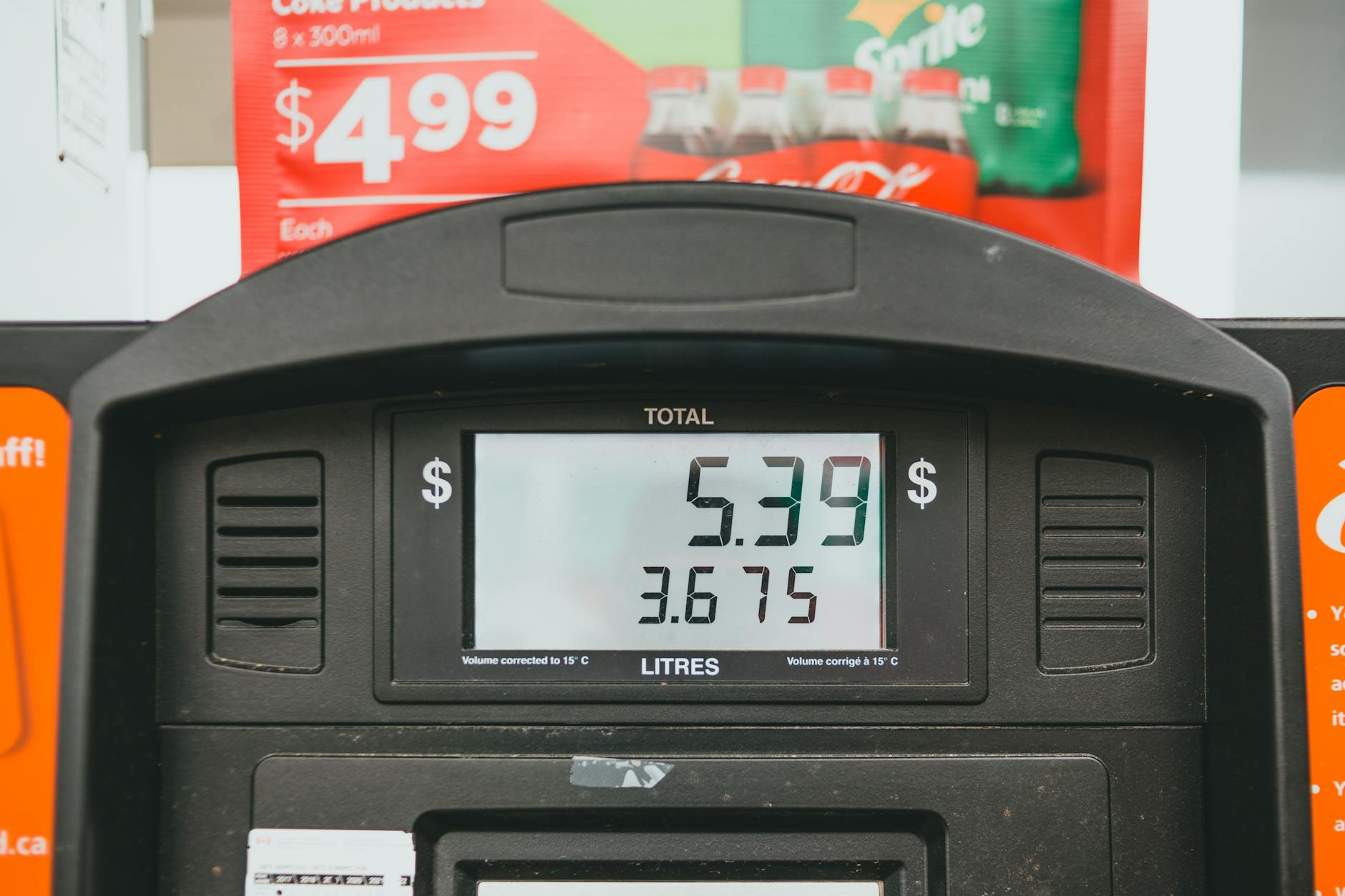
Donald Trump’s proposal to suspend the federal gas tax would shave only pennies off pump prices on Saturday even as the Iran-war oil shock was adding far more through crude, freight and refining costs. At the national average of $4.50 a gallon, scrapping the 18.4-cent federal levy is a clean retail message. It is a small offset against a price stack still being set by the oil market.
Washington’s latest gasoline debate turns on that mismatch. The White House has signalled support for measures to lower prices. Energy secretary Chris Wright told NBC News that “all measures that can be taken to lower the price at the pump and lower the prices for Americans, this administration is in support of.” The arithmetic is harsher than the slogan. A Penn Wharton Budget Model estimate put a four-month suspension, passed through at 72 per cent, lowering gasoline prices by about 13.2 cents a gallon. Roughly $11.5 billion would drain from the Highway Trust Fund.
A tax holiday touches the smallest and most visible line in the price of gasoline, not the biggest ones. Fuel buyers pay for crude, refinery output, blending, transport, retail margins and a layer of federal and state taxes. NBC’s breakdown puts the combined average tax and fee burden at about 51 cents a gallon. The federal share is one slice of the total before a driver gets to the wider moves in oil and wholesale gasoline.
Pass-through economists have been cautious about claims of instant relief. Mark Zandi said on CNBC that the nominal 18-cent saving could look more like 10 to 12 cents after retailers and distributors take their cut. Writing in The Conversation, a group of economists made the same broader point: when crude and refining costs are rising, a tax change can soften the edge of the move but rarely change its direction.
Why the oil market still sets the price
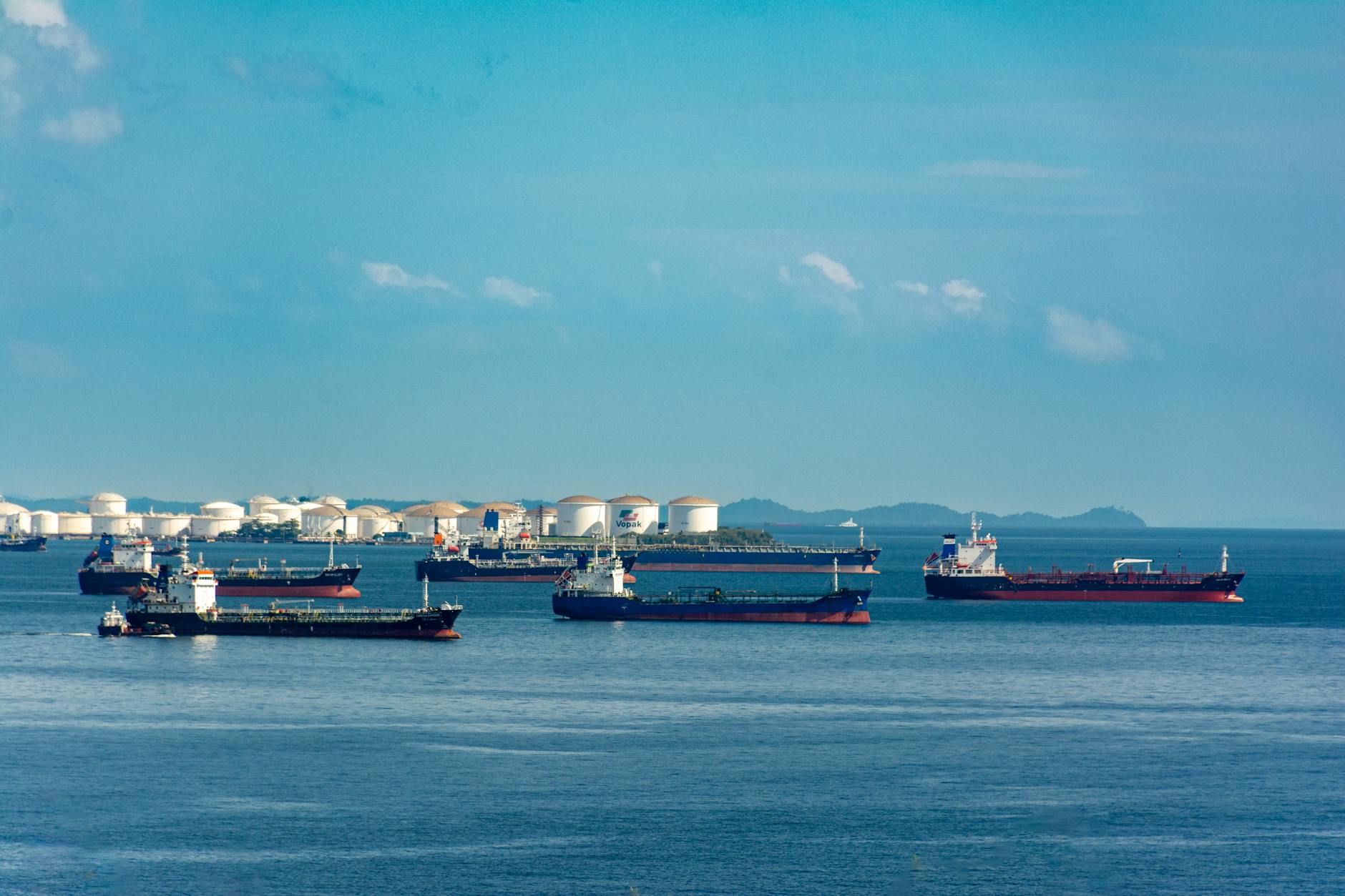
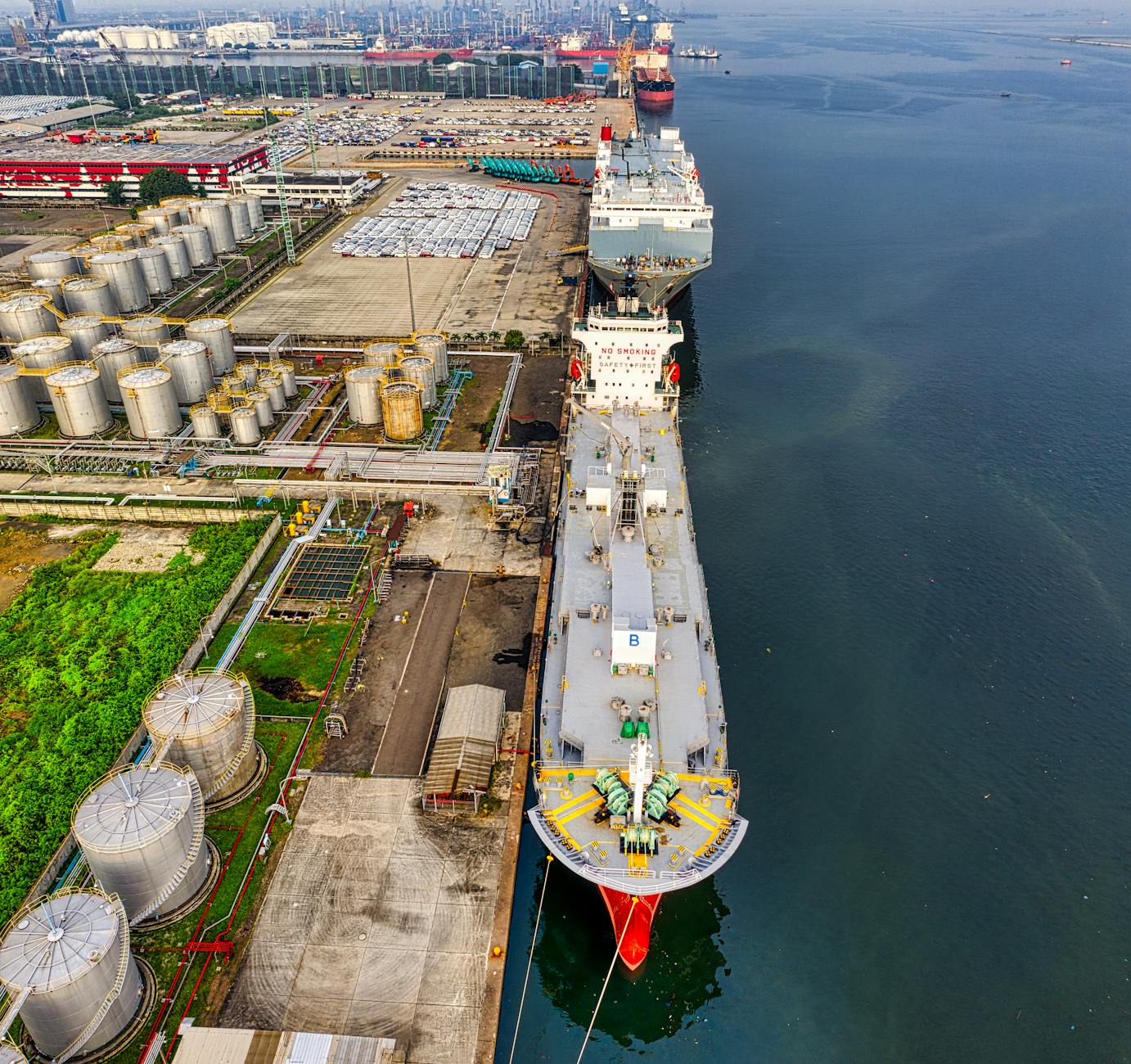
Read in market terms, the proposal is an attempt to cushion an energy shock, not to neutralise it. Oil prices are rising because war risk is being repriced into supply routes, shipping lanes and product cargoes. The pump absorbs that pressure long before Congress can market a tax fix. Consumers see the pump sticker. Markets see a chain that runs from crude benchmarks to refinery margins to trucked fuel, then finally to the forecourt.
Republican leaders have acknowledged as much, even while keeping the tax idea alive. John Thune said in an interview with TIME that the best thing that could happen for gas prices was for the Strait to be opened again. The remark is more revealing than the politics around a temporary tax holiday. A legislative tweak cannot reopen a shipping chokepoint, lower tanker insurance premia or ease refinery feedstock tightness. It can only shave part of one tax layer after those other costs have already moved.
Oil shocks do not stay inside the energy complex for long. They bleed into freight costs, household inflation expectations and the consumer-spending debate that bond traders watch closely. A gasoline price lifted by geopolitical risk lands differently from one lifted by domestic tax policy. Taxes are visible and reversible. A war premium in crude is neither. If traders start to assume that disruption risk lasts longer than a headline cycle, the distinction grows sharper still.
What Washington can and cannot change
Congress is left with a measure that is politically legible but economically narrow. The Congressional Research Service notes that suspending the federal gas tax would require legislation. Timing is uncertain even before the policy reaches service stations. If a suspension arrived late, or if distributors only partially passed it on, drivers could hear far more about relief than they actually feel in cash terms.
At $4.50 a gallon, the full 18.4-cent federal tax is about 4.1 per cent of the price. The 13.2-cent Penn Wharton estimate is about 2.9 per cent. Both figures are real. Neither is large enough to dominate the bill if crude, refining or shipping costs keep climbing. Whether taxes matter at all is the smaller question; the larger one is which component of the gasoline price stack is actually in charge.
The policy also trades immediate optics for a fiscal hole. A Penn Wharton analysis puts the four-month revenue loss at $11.5 billion. If Washington backfills that into the Highway Trust Fund, the budget absorbs the hit. If it does not, road funding takes it. Either way, the proposal shifts costs around the system before it delivers a saving too small to change consumer behaviour or the inflation narrative.
Wright’s support for all available pump-price measures makes political sense. Trump’s proposal is easy to explain on a bumper sticker. Markets are unlikely to confuse message discipline with price formation. If the underlying shock is oil and shipping risk, the durable variable is not the federal levy. It is the cost of getting crude turned into usable fuel and moved to retail markets.
A gas-tax holiday addresses the piece of the price consumers can see on a tax chart. It leaves the larger, more volatile inputs untouched. For households, the difference between 18.4 cents on paper and roughly 10 to 13 cents in practice is modest. For investors thinking about inflation, rates and consumer strain, the gap between a policy gesture and a genuine easing in the oil shock itself is what matters across the broader economy.
Helena Brandt
Macro reporter covering the Federal Reserve, ECB, inflation prints and jobs data. Reports from Washington.