US consumer spending squeeze grows as tax refunds fade
US consumer spending squeeze is set to deepen as tax refunds run out, gas stays above $4.50 a gallon and lower-income households lean on credit.
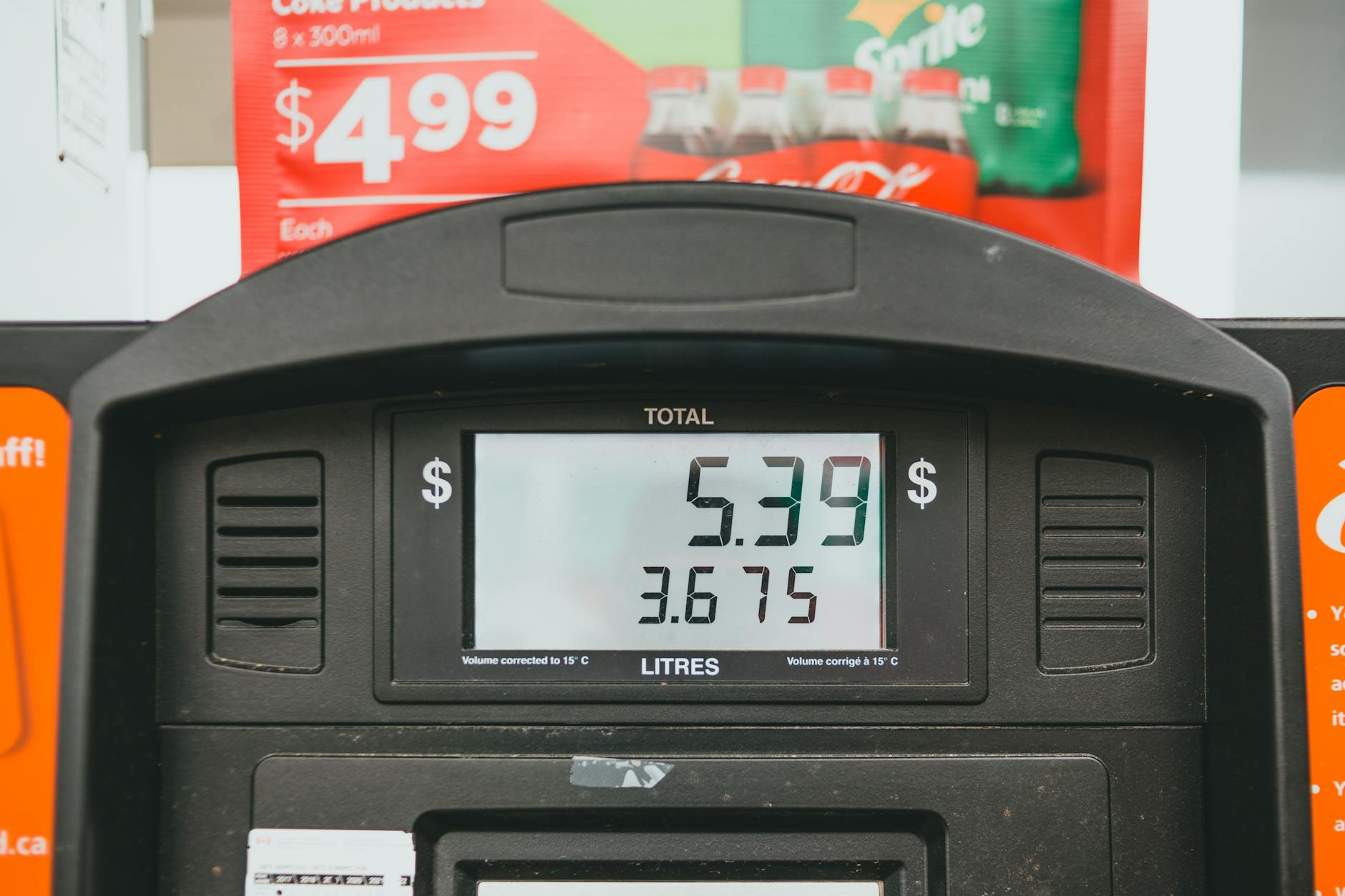
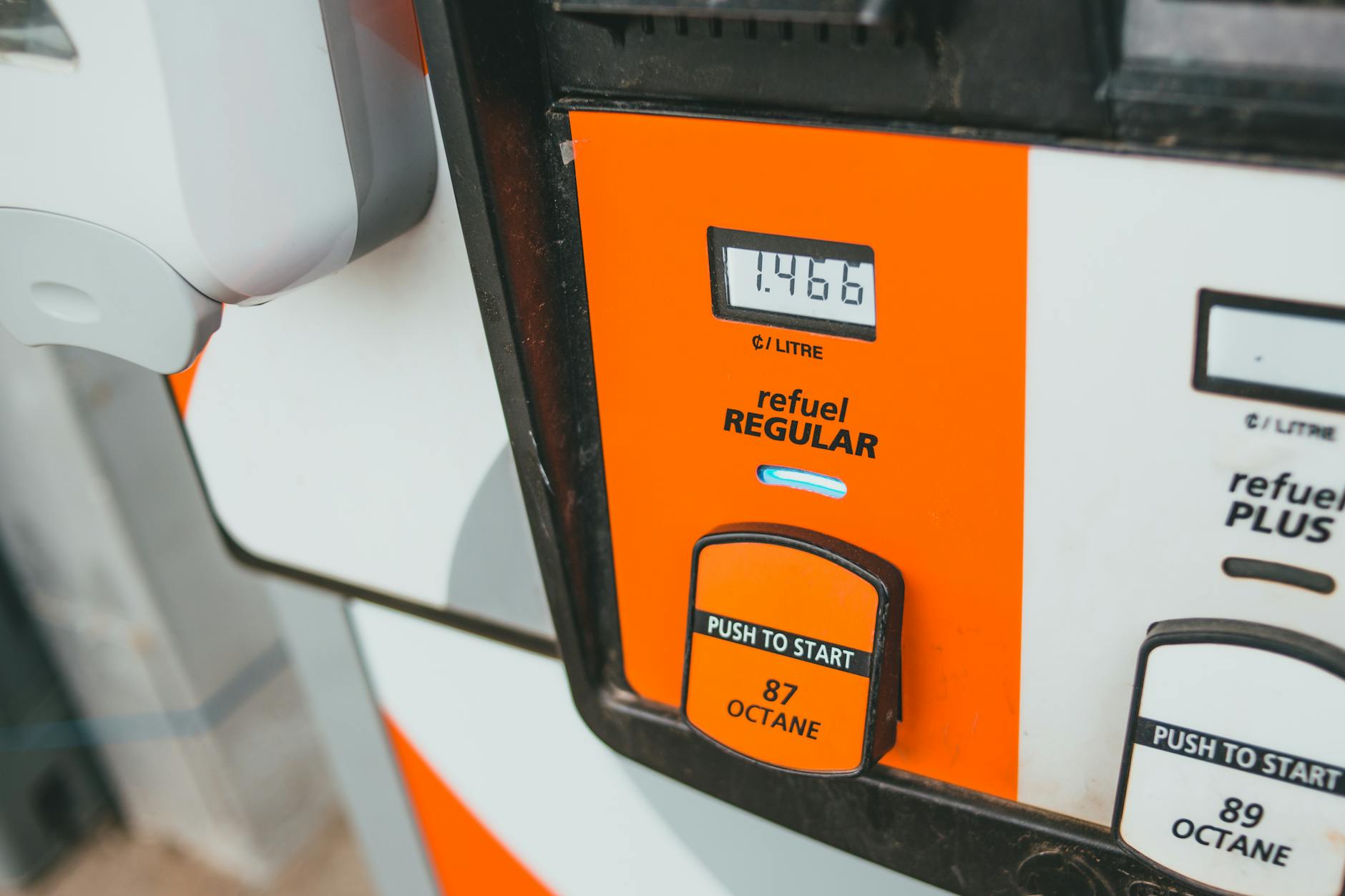
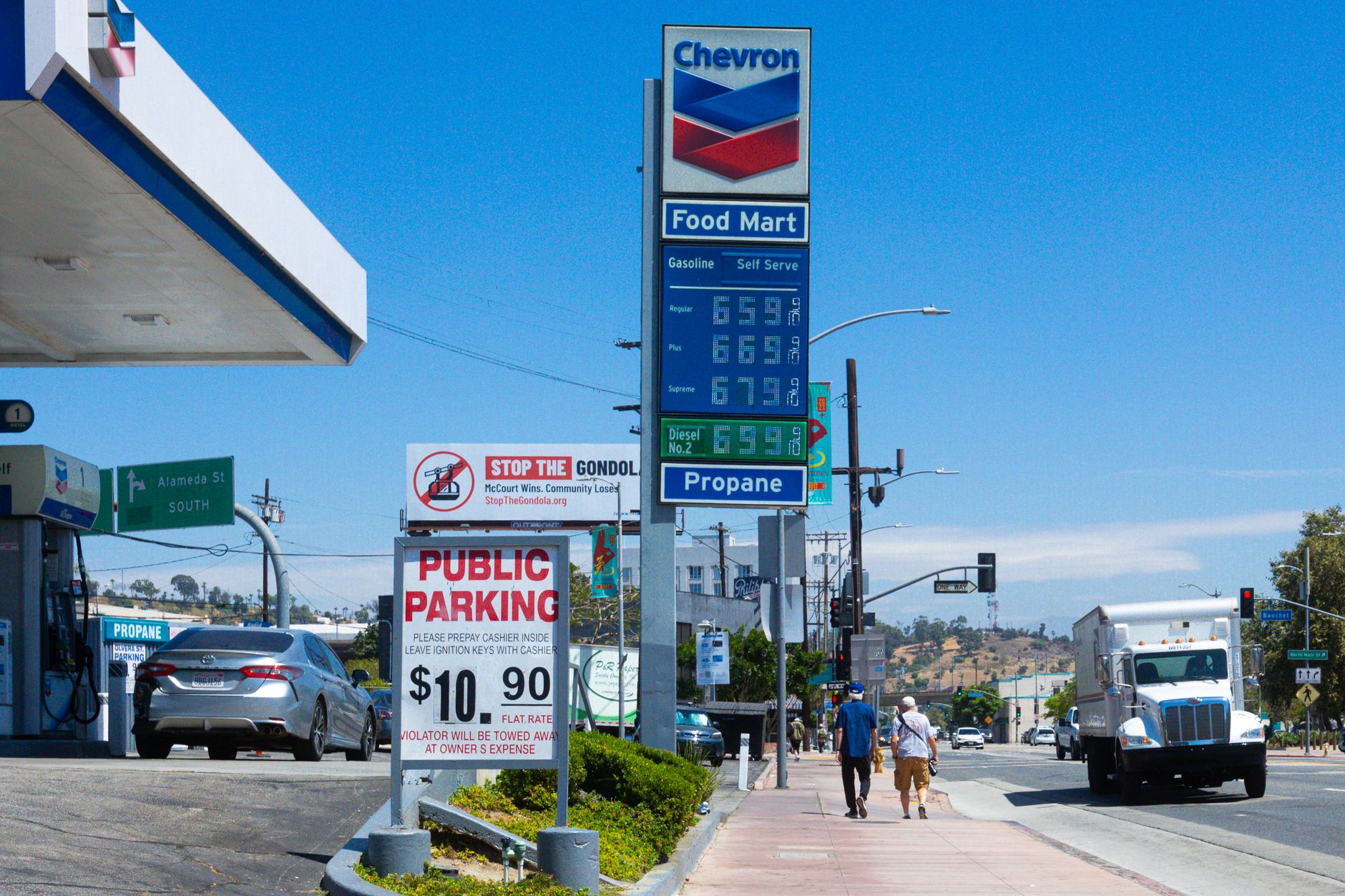
American households entered Memorial Day week with April retail sales up 0.5 per cent, but the tax-refund lift that steadied spending early in the year is already fading as gasoline holds at $4.552 a gallon after the Strait of Hormuz shock. For many families, that mix can keep receipts looking firm for a few more weeks while quietly erasing the room they have to spend on anything beyond fuel, food and rent.
Now the question is less whether U.S. consumers can post another respectable nominal sales print than whether the mix of that spending is turning more defensive. Reuters reported that the average tax refund was $323 higher through April 25 than a year earlier, giving households a useful cushion just as pump prices surged. Yet the same report put the personal saving rate at 3.6 per cent in March, the lowest since October 2022, suggesting consumers had less buffer before the filing season even ended.
Here the lower-income-household lens diverges from the aggregate story. Wealthier Americans still have rising equity portfolios and more cash to absorb a fuel shock. Further down the income distribution, families are already reacting in smaller, more immediate ways: driving less where they can, trading down in stores and leaning harder on savings or credit to keep weekly spending intact. The New York Fed’s recent look at gasoline shocks described that split as different roads through the same energy shock.
The refund effect is fading
Timing is the first risk for late-quarter spending. Refunds arrive in a burst, support purchases for a few weeks, then disappear. Ahead of Walmart’s results, CNBC noted that larger refunds looked like a source of first-quarter upside for consumer spending. So April’s 0.5 per cent retail-sales gain looks less reassuring than it first appears, because part of the strength may have been borrowed from households’ own tax overpayments.

As Sal Guatieri of BMO Capital Markets told Reuters, the upper end of the consumer base still has a market tailwind:
The powerful equity market rally is supporting spending on the upper leg of the K-shaped expansion, more than offsetting any pullback from those on the lower leg who are struggling with higher fuel, transportation and food costs.
— Sal Guatieri, senior economist at BMO Capital Markets
That split helps explain how a respectable headline can coexist with strain underneath. The New York Times reported that Walmart, Target and TJ Maxx have been attracting shoppers squeezed by energy costs, a sign that the consumer is still spending, but on more defensive terms. More than an immediate collapse in demand, the shift looks like a re-ranking of priorities. Gasoline and groceries move higher in the weekly budget, leaving discretionary categories to compete for what is left.
MarketWatch reported that even cosmetics demand, a category that had held up through years of price pressure, is starting to wobble as gasoline costs climb. Broad retail data can miss that sort of shift. Slowdowns often show up first in the optional purchases households can cut without skipping a rent payment or a tank of fuel.
The squeeze is turning selective
Another risk is that nominal spending is being flattered by inflation in the wrong places. Receipts at gas stations lift retail-sales totals, but they do not signal stronger real demand. The Richmond Fed argued this month that households are already showing a selective spending squeeze, with consumers protecting essentials while postponing or trimming optional purchases. In that framing, the lower-income perspective fits the data better than the aggregate consumer story does.
Credit stress is also becoming easier to spot. In the same Reuters dispatch, Lydia Boussour of EY-Parthenon said households are stretching to preserve spending patterns:
More consumers are turning to savings and credit to sustain spending.
— Lydia Boussour, senior economist at EY-Parthenon
That is part of the answer to the skeptic’s central question. Households do not need to stop spending outright for the data to worsen. They only need to fund the same basket with thinner savings and more revolving credit. PNC’s April consumer health check and the New York Fed analysis both point to a more uneven response, with lower-income consumers reaching their stress point earlier because gasoline takes a bigger share of their cash flow.
Something similar is surfacing abroad. Bloomberg reported that Canada’s retail sales rose 0.6 per cent in April as gasoline lifted receipts, while the Guardian reported that Britain suffered its biggest drop in petrol purchases in six years. Different economies, same signal: energy can distort the headline before it breaks the household budget underneath.
Cross-market comparisons still matter. When energy inflation lifts receipts on one line and suppresses discretionary volumes elsewhere, the first read on growth can stay firmer than the household experience underneath. For investors, that means late-second-quarter consumer data may require more parsing than the headline allows.
Sentiment data already line up with that strain. The final May reading in the University of Michigan survey fell to 44.8, a record low, according to Reuters’ report carried by Yahoo Finance. As Joanne Hsu said in that report:
The cost of living continues to be a first-order concern.
— Joanne Hsu, director of the University of Michigan Surveys of Consumers
Why the Fed still has a problem
Policy makers face an awkward mix. A consumer slowdown driven by gasoline can cool real spending while keeping headline inflation sticky. The Richmond Fed’s analysis makes that point implicitly: when energy costs eat into discretionary budgets, the growth signal weakens before the price signal fully eases. That is a poor backdrop for officials looking for cleaner evidence that inflation pressure is fading.
Bloomberg Economics reported earlier in the week that U.S. consumer sentiment slid to a record low on price concerns. Semafor noted that sentiment then hit an all-time low on the same day the Dow touched a record high. That divergence is more than an odd juxtaposition. It reinforces Guatieri’s point that asset owners can keep aggregate spending afloat for a while, even as the consumer who buys on wages and fuel bills is already under pressure.
For the Fed, that split limits the value of any single soft consumer indicator. A weak real-spending print accompanied by higher fuel bills is not straightforward disinflation. It is evidence that demand is softening in the same places where inflation still feels most immediate, which is why rate-cut expectations can run ahead of what policymakers are willing to signal.
The late-second-quarter test is whether higher gasoline costs remain a tax on the same households just as the rebate cushion disappears. If pump prices ease quickly, the consumer may yet get a breather. If they stay elevated, April could end up looking like the last month in which temporary cash support disguised a more durable squeeze on real spending, and a reminder that the Fed’s growth problem and inflation problem are landing on the same household at the same time.
Helena Brandt
Macro reporter covering the Federal Reserve, ECB, inflation prints and jobs data. Reports from Washington.