Japan 40-year bond auction demand strongest since March 2025
Japan's 40-year bond auction drew a 2.82 bid-to-cover, the strongest demand since March 2025, hinting higher yields are pulling buyers back.
Japan’s 40-year government bond auction drew a 2.82 bid-to-cover ratio on Wednesday, with the strongest demand since March 2025 showing that yields near multi-decade highs are pulling buyers back into the most volatile part of the curve.
Demand topped the 2.702 ratio at the previous sale and the 12-month average of 2.55. The bonds cleared at a 3.865 per cent high yield, below the pre-sale survey forecast, pointing to firmer appetite without the kind of squeeze that would suggest investors think the super-long sell-off has run its course. Traders had braced for worse.
Useful, but only one print.
Japan’s 30- and 40-year bonds have become a global macro pressure point this year. Each jump in long-end yields raises questions about domestic fiscal absorption, overseas demand for Treasuries and Bunds, and whether a higher local return gives Japanese money managers more reason to keep funds at home. A disorderly move can also revive concern that rising yields and a softer yen begin feeding each other. Wednesday’s auction showed current yields are high enough to attract bids. It did not show the market has found a durable floor.
Stress remains visible. The 40-year yield touched a record 4.355 per cent in May, and a May 2025 auction saw demand sink sharply, showing how quickly buyers stepped back when duration risk repriced. The long end has since traded less like a quiet liability-matching market and more like a referendum on how much term premium investors now want from Japan. After Wednesday’s sale, yields were still far closer to the highs than to levels investors knew before the spring shock.
Buyer base reappears
Some domestic money appears to be edging back in. Bloomberg reported this week that Japanese insurers bought the most super-long government bonds in three years in June, a notable signal because life insurers and other domestic institutions are natural holders of paper this long. If those accounts are returning at higher yields, the market gets a steadier bid than the hedge-fund and fast-money flows that amplified the spring rout. That kind of demand matters more than a one-day squeeze.
Strategists treated Wednesday’s result as stabilization, not capitulation by shorts. Miki Den, a senior interest-rate strategist at SMBC Nikko Securities, said in Bloomberg Markets’ report on the sale that current levels could hold even if the market stays fragile: “Super-long yields are likely to remain anchored around current levels.”
In other words, Den was not making a bullish call. She was describing a market that may have stopped lurching lower for now.
The market reaction fit that restrained read. A solid bid-to-cover and a slightly friendlier clearing yield can calm nerves for a day, but investors are still testing how far yields need to rise before long-dated Japanese debt looks compelling on a sustained basis. Bloomberg strategist Mark Cranfield wrote that investors may soon look for a 4 per cent yield on 40-year paper, a threshold that would make this week’s result either an early turn or simply a well-bid pause in a broader repricing. If that level comes into view, global rates desks will pay attention because Japan’s long end still sets the tone for a wide slice of cross-border duration trading.
Supply still matters
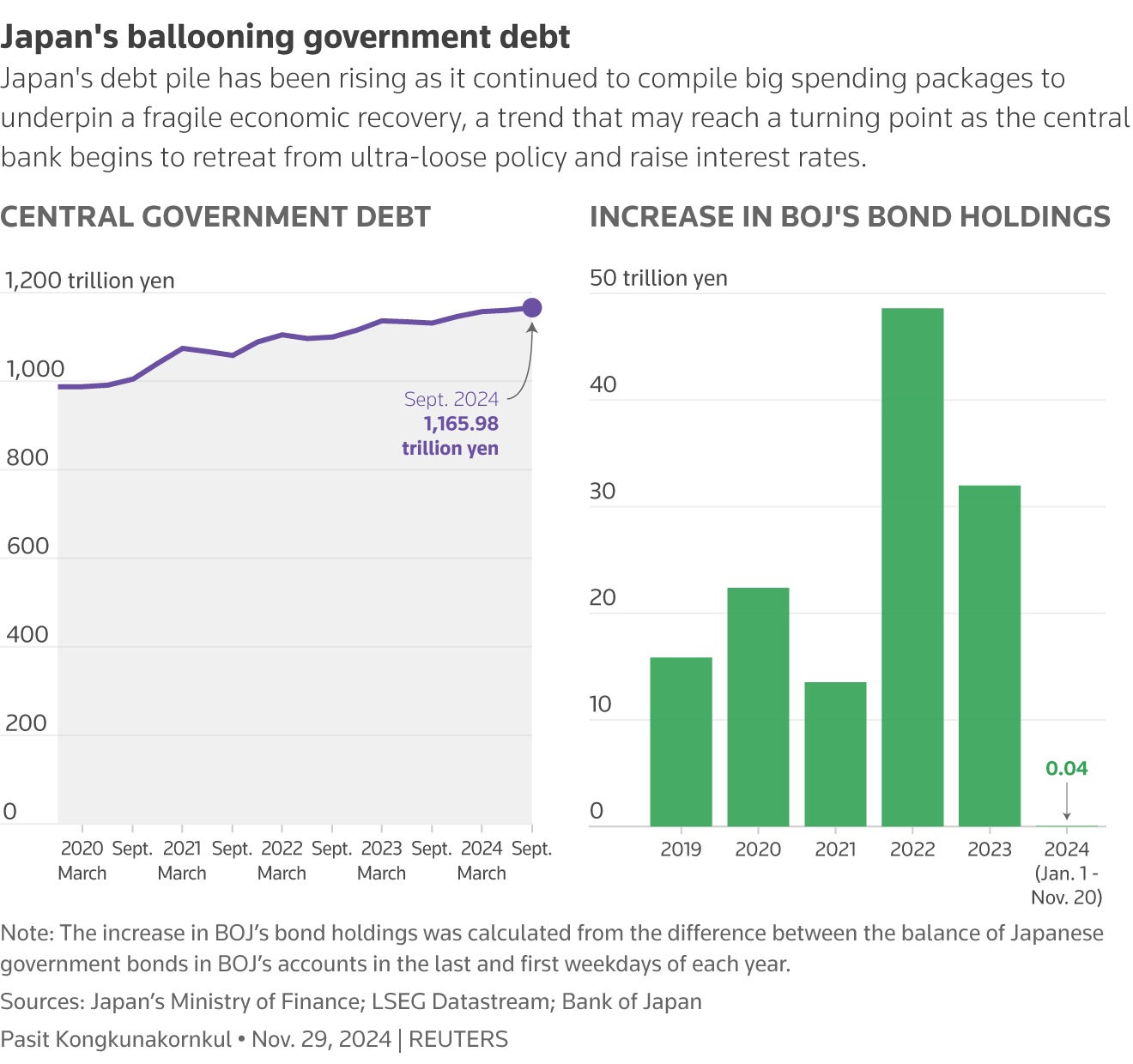
The Ministry of Finance’s July issuance announcement did not settle the bigger argument, but it framed the immediate stakes: another large slug of super-long supply had to be absorbed while investors remain sensitive to Japan’s fiscal outlook, election-driven spending debate and the prospect of more duration later in the year. For Tokyo, every clean auction matters because these sales have become a live test of whether domestic demand can keep pace with supply without forcing ever larger concessions at the far end of the curve.
For global markets, the signal is narrow but useful. Higher yields are starting to do their job by bringing some buyers back, yet not in a way that settles the debate over Japan’s long-end sell-off. The next few auctions, and whether insurers keep adding exposure, will say more than a single strong result about whether one of the world’s most closely watched sovereign bond markets is finding balance.
Helena Brandt
Macro reporter covering the Federal Reserve, ECB, inflation prints and jobs data. Reports from Washington.