Blackstone's AirTrunk loan makes AI debt harder to ignore
Blackstone AirTrunk loan talks show AI infrastructure is moving deeper into syndicated credit as banks test limits on data-center exposure.
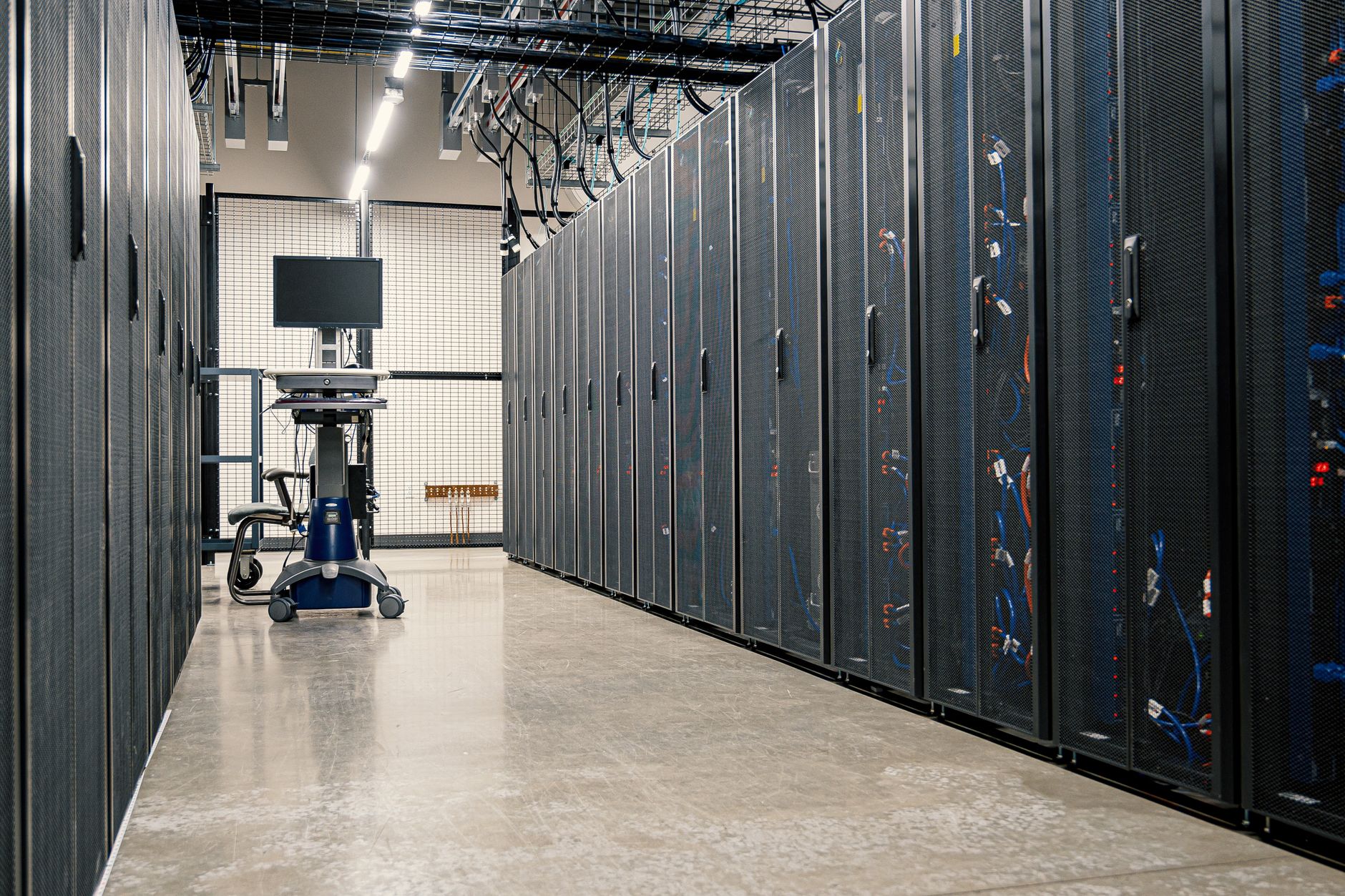
Blackstone is finalising a A$4.3 billion ($3 billion) five-year loan for AirTrunk’s SYD3 project in Sydney, a more than 400 megawatt campus that puts Wednesday’s AI buildout squarely in the banking column, not only the technology-spending one.
For lenders, the attraction and the warning sit in the same sentence. A deal of that size offers fee income, sponsor prestige and exposure to one of infrastructure’s fastest-growing corners. It also lands in a market where AI-related bonds and loans have already reached US$334.5 billion this year, versus US$185.5 billion in all of 2025, and where the Bank for International Settlements has warned that the boom is shifting from equity-funded expansion to debt-funded buildout.
Analysts can read the same evidence less comfortably. The Chicago Fed has argued that generative AI investment can create tail risk for banks when financing outruns the operating cash flows meant to support it. In AirTrunk, then, the more useful question is not whether demand for data centers is real. It is whether credit markets can keep scaling faster than the playbook for handling concentration, refinancing and project-level setbacks.
Why banks still lean in
The insider case is straightforward. Data-center debt still looks financeable because it can be wrapped around sponsor backing, tenant contracts and assets near the core of the AI supply chain. Blackstone, in that reading, is not stretching for a speculative wager. It is trying to lock in funding for an asset class that banks still believe can be syndicated, distributed and, if needed, refinanced.
The lender line-up matters for that reason. Bloomberg reported that banks including Credit Agricole, DBS, Deutsche Bank, HSBC, ING, Mitsubishi UFJ Financial Group, Morgan Stanley and UOB are involved in the underwriting. No single balance sheet is the story. The point is that a broad market is still willing to warehouse AI exposure long enough to earn fees and move risk along. The recent BlackRock debt push for a Texas data-center campus and the broader Wall Street race to lead AI debt deals point the same way.
Scale has arrived quickly enough that even bankers selling the product are speaking plainly. In the FT’s reporting on AI debt deals, Morgan Stanley banker Mo Assomull framed the new normal like this:
Dollar amounts that used to be $1bn, $2bn, $5bn are now $10bn or $20bn and higher
Mo Assomull, Morgan Stanley
Assomull’s line explains part of why banks keep showing up. The fee pool has become too large to ignore, and the structures are getting more sophisticated. The BIS bulletin notes that AI financing is increasingly being shaped around debt, not simply retained cash flow. In practice, that means more lockboxes, more contracted revenue assumptions and more reliance on the idea that hyperscaler demand can make infrastructure borrowings look safer than ordinary corporate borrowing.
Skeptics see a transfer of risk, not its removal. Lease-backed cash flows can cheapen money, and sponsor support can soothe lenders, but neither changes the fact that more of the financial system is being pulled into a buildout that still depends on power, utilisation and continued capital-market access. AirTrunk is a concrete example of that shift. It is no longer only a capex project. It is a credit instrument in the making.
What could tighten first
Policy risk starts with the physical bottlenecks that debt cannot solve on its own. AirTrunk’s SYD3 project is planned at more than 400 megawatts, a scale that ties financing to grid access, permitting and local politics as much as to spreads. The Australian Financial Review has already cast AirTrunk as a central name in Australia’s AI infrastructure race, while one industry view has argued that power is now the growth constraint for data-center operators.
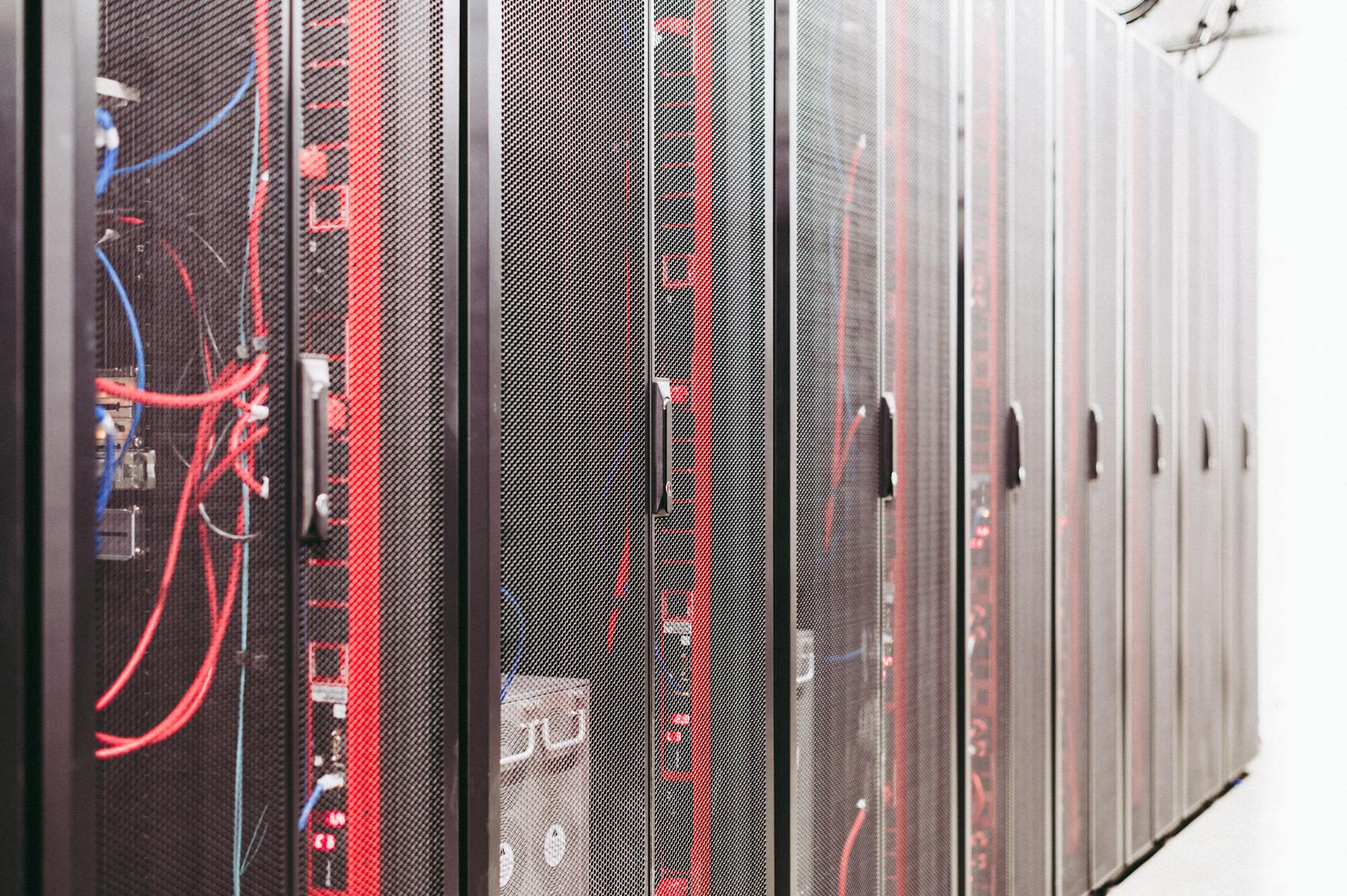
Credit underwriting often assumes the hard part is funding the asset. In data centers, the harder part may be keeping construction, electricity and political approval aligned for long enough to earn the projected cash flows. If power connections slip, or if local resistance slows approvals, the debt story changes before demand for AI compute does. Borrowing capacity then becomes a derivative of execution capacity.
Complacency is harder to defend when the stock of obligations is compounding faster than the market’s instinct for treating them as exceptional. In the same FT report, Moody’s analyst Raj Joshi described the cycle this way:
This is a huge capex investment cycle, you don’t have parallels to it in history
Raj Joshi, Moody’s Ratings
Investors should sit with that line. An unprecedented capex cycle can still be creditworthy. It can also become harder to refinance if spreads widen, if occupancy assumptions weaken or if lenders hit internal limits after too many similar deals. Semafor’s analysis of hidden AI debts and the Chicago Fed’s warning on bank tail risk both point to the same issue: the next inflection will be shaped less by one headline loan than by the cumulative stack of them.
Blackstone’s AirTrunk financing does not look like the end of lender appetite. It looks more like evidence that appetite is being tested in real time. Demand for AI infrastructure is still strong, and banks still want the fee stream. The frame has changed, though. The market no longer has the luxury of treating data-center expansion as somebody else’s tech spending. It is now a debt-markets story, and the borrowing question is starting to sit alongside the demand story whether lenders like that comparison or not.
Naomi Voss
Banks and deals reporter covering bank earnings, fintech, M&A and IPOs. Reports from New York.