Weak yen, Warsh's Fed and earnings put markets on edge
Weak yen, Fed uncertainty and a demanding earnings season are colliding just as rich valuations leave little room for policy or profit surprises.
Investors are heading into the second half of July with three live fault lines in view: a weak Japanese yen, a Kevin Warsh-led Federal Reserve that is giving markets less guidance and an earnings season that may finally test rich equity valuations. For cross-asset strategists, the problem is not that any one of those risks looks fatal on its own. It is that each one can force the others to reprice, turning a routine summer wobble into a move that runs through rates, foreign exchange and stocks at once.
That is the analytical lens in the Financial Times’s summer-risk analysis, and it is the right one for a market that has grown used to sorting shocks one at a time. The second-quarter reporting season is arriving with FactSet estimates for S&P 500 earnings growth at 23.3 per cent, after a 3.4 per cent upward revision through the quarter, while Reuters says Alphabet and Intel are among the results now in focus for the AI trade. High expectations are not a market cushion. They are the opposite.
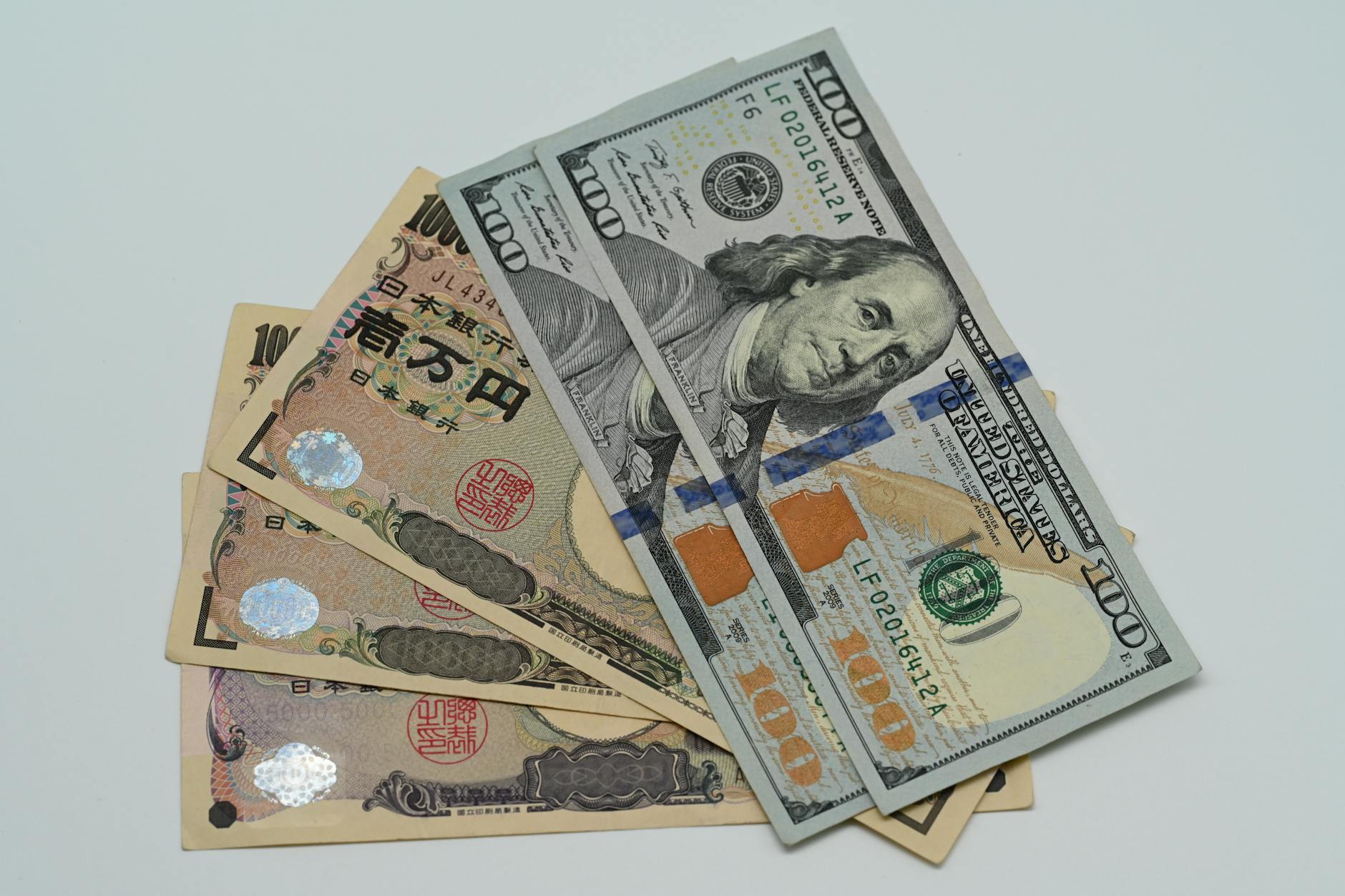
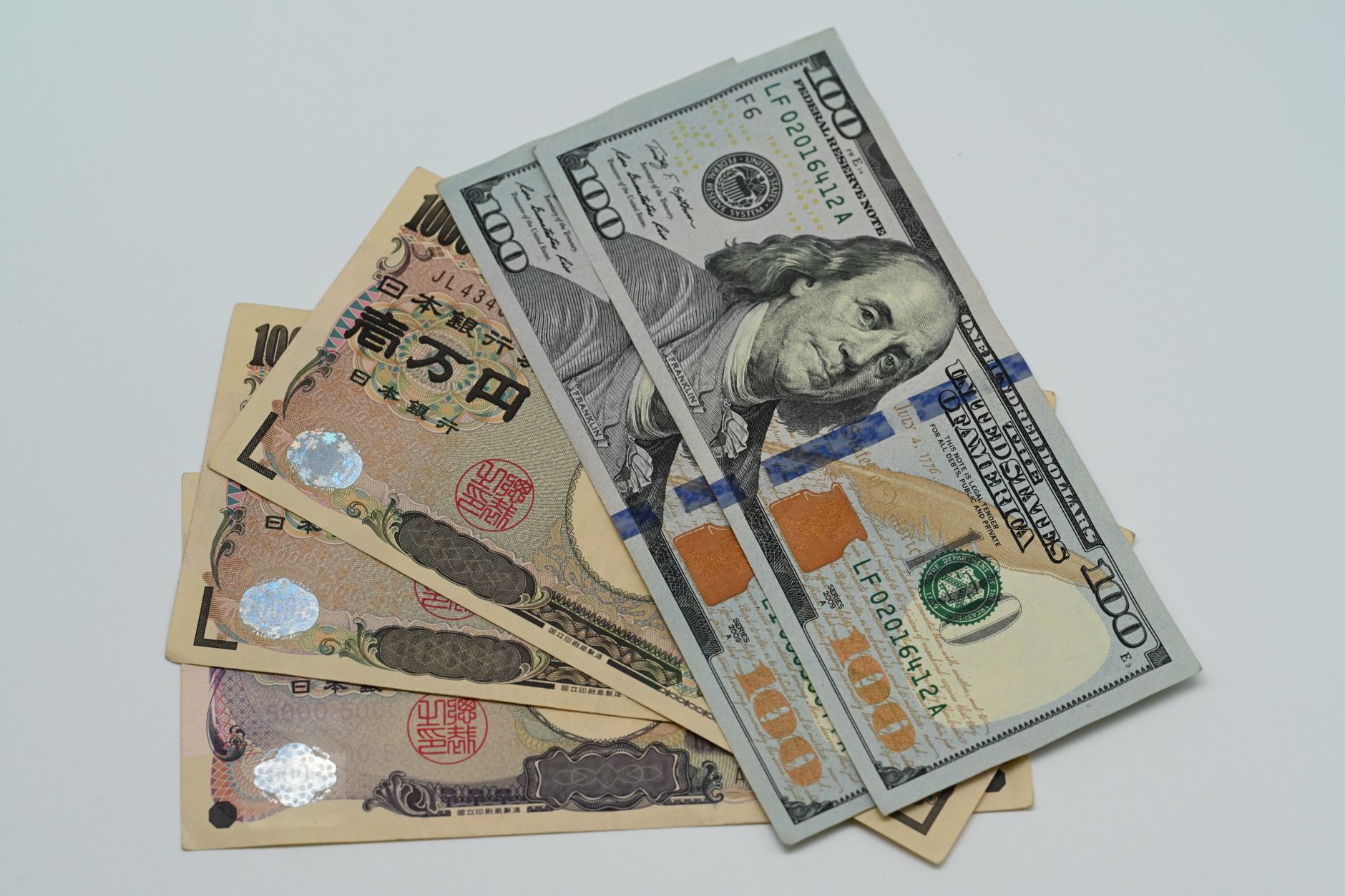
But the skeptic on an FX or macro-risk desk reads the same setup differently. The first question is not whether Tokyo dislikes the yen’s slide. It plainly does. The sharper question is whether intervention can matter much while the U.S.-Japan rate gap still does the heavy lifting for the carry trade. Japan has already spent 11.7 trillion yen, or about $73.5 billion, buying yen, and CNBC reported the currency touched ¥162.83 per dollar in July. Yet the policy-rate spread still points the wrong way for Tokyo: the Fed’s target range sits at 3.50 per cent to 3.75 per cent against the Bank of Japan’s 1.00 per cent.
That question matters beyond currency traders because it points to where a policy surprise would likely hit first. Treasuries remain the cleanest transmission channel. A less telegraphed Fed move changes the front end of the U.S. rates curve, that shift changes dollar funding conditions and the stronger dollar then tightens the screw on every position that depends on cheap yen and calm volatility. Equities come later, but they still come, especially when valuations already assume earnings can keep doing the stabilising work.
The insider view from Fed watchers is not that Warsh is trying to shock markets for sport. It is that he may be deliberately moving away from the heavily signposted style investors learned under previous chairs. Yie-Hsin Hung, chief executive of State Street Investment Management, put the point bluntly in the FT’s reporting:
“It’s going to be much harder to read the Fed.”
— Yie-Hsin Hung, State Street Investment Management
That is not a philosophical complaint. It is a pricing problem. When policy becomes harder to read, investors pay up for flexibility, shorten conviction and become quicker to punish any company or currency that disappoints. Summer markets do not need a crisis for that behaviour to matter. They only need thinner liquidity and a few crowded positions.
Why the yen still matters
The yen is not just a Japan story in this setup. It is the funding currency sitting underneath a large amount of global risk-taking, which is why persistent weakness matters even when Tokyo’s interventions look dramatic on paper. A market that shrugs off official support is effectively saying the bigger force is elsewhere, namely the yield advantage still available in dollars.
CNBC argued in June that even a rate increase and more than $70 billion of support had failed to keep the currency far from 160 per dollar. The newer July reporting points to the same mechanism: intervention can slow the move, but it does not reverse the logic of borrowing in yen to buy higher-yielding dollar assets. Christy Tan, an investment strategist at Franklin Templeton Institute, described that arithmetic in CNBC’s July 1 story:
“As long as investors can borrow cheaply in yen and earn more in dollars, the carry trade will keep carrying the yen away.”
— Christy Tan, Franklin Templeton Institute
The answer to the skeptic’s core question, then, is only partial reassurance for Tokyo. Unilateral intervention can buy time and create sharp squeezes, but without a narrower rate gap or a broader shift in dollar expectations it struggles to create a durable turn. MarketWatch has argued that dollar strength is quietly rebuilding the conditions for another carry-trade blow-up, and that matters because forced unwinds do not stay neatly inside foreign exchange. They spill into rates volatility, equity positioning and, eventually, credit risk appetite.
There is a second-order effect too. If the yen keeps weakening, it becomes harder for investors to treat Japan as a local policy story and easier to treat it as evidence that U.S. financial conditions are still too dominant for the rest of the world. That is where the currency story loops back to the Fed. A dollar that keeps winning by default makes every Fed communication choice more important, not less.
Why the Fed and earnings can collide
Markets can probably absorb a reformist Fed on its own. They can probably absorb another noisy yen intervention cycle on its own too. The problem is that July and August do not offer those risks one by one. They arrive alongside a reporting season in which even solid numbers may not satisfy investors who have already marked profit forecasts higher and piled back into the same AI-linked leadership names.

Warsh has been explicit, at least on the question of formal independence. In CNBC’s July 15 interview, he said he meets often with the Trump administration but added:
“The independence of the Federal Reserve is sacrosanct.”
— Kevin Warsh, Federal Reserve chair
Even so, formal independence is not the same thing as market legibility. The FT has reported that Warsh is giving markets less guidance, while other FT commentary has argued that his reform agenda reaches beyond rate cuts into the inflation and balance-sheet frameworks that investors use to interpret the Fed’s reaction function. That does not guarantee policy error. It does make it harder for investors to assume that every move will be pre-cleared months in advance.
This is why the first market to answer the analyst’s question is still likely to be Treasuries. If the Fed’s communication style changes, yields move first, the dollar takes its cue from there and equities then have to decide whether they can live with both a higher discount rate and a less forgiving earnings backdrop. Bank shares would feel that chain quickly through funding assumptions; richly valued megacaps would feel it through the valuation multiple.
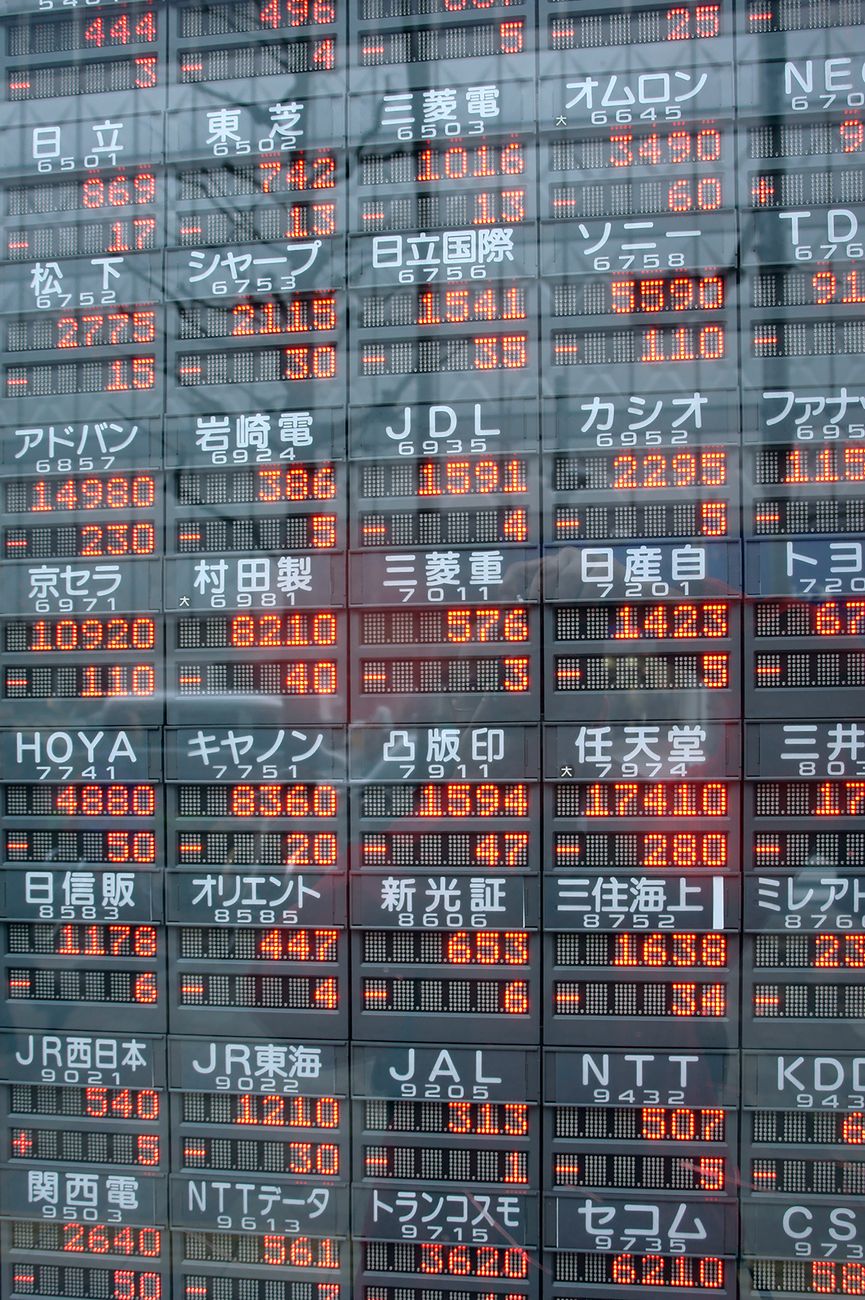
And the earnings backdrop is unusually unforgiving. MarketWatch’s analysis of early second-quarter reactions found that even good reports were producing violent price swings because expectations had already climbed. That is the key distinction for late-summer positioning. Earnings season is not entering with low bars and washed-out sentiment. It is entering with strong consensus growth, higher revisions and a narrow set of companies doing much of the index-level heavy lifting.
That makes the coming weeks less a referendum on whether corporate America is still profitable than a referendum on whether profits can keep covering for every other uncertainty in the system. If big AI-linked names deliver clean numbers and calm guidance, the market may keep absorbing a weak yen and a less predictable Fed. If they stumble, the same investors who tolerated those other risks separately may start treating them as one trade.
That is why the summer setup looks perilous in a specific, tradable sense. The yen is the funding fault line, Treasuries are the first transmission channel and earnings are the test of whether equity investors still have enough confidence to look through both. Not panic. Mechanism. And in July markets, mechanism is often what turns a background risk into the move everyone has to price.
Sloane Carrington
Markets columnist. Analytical pieces and deep-dives on monetary policy, capital flows and corporate strategy. Reports from New York.