Bank of Korea signals higher rates as housing debt risks rise
Bank of Korea said higher rates may be needed as Seoul home prices rose for a 72nd straight week and household debt concerns returned to the policy debate.
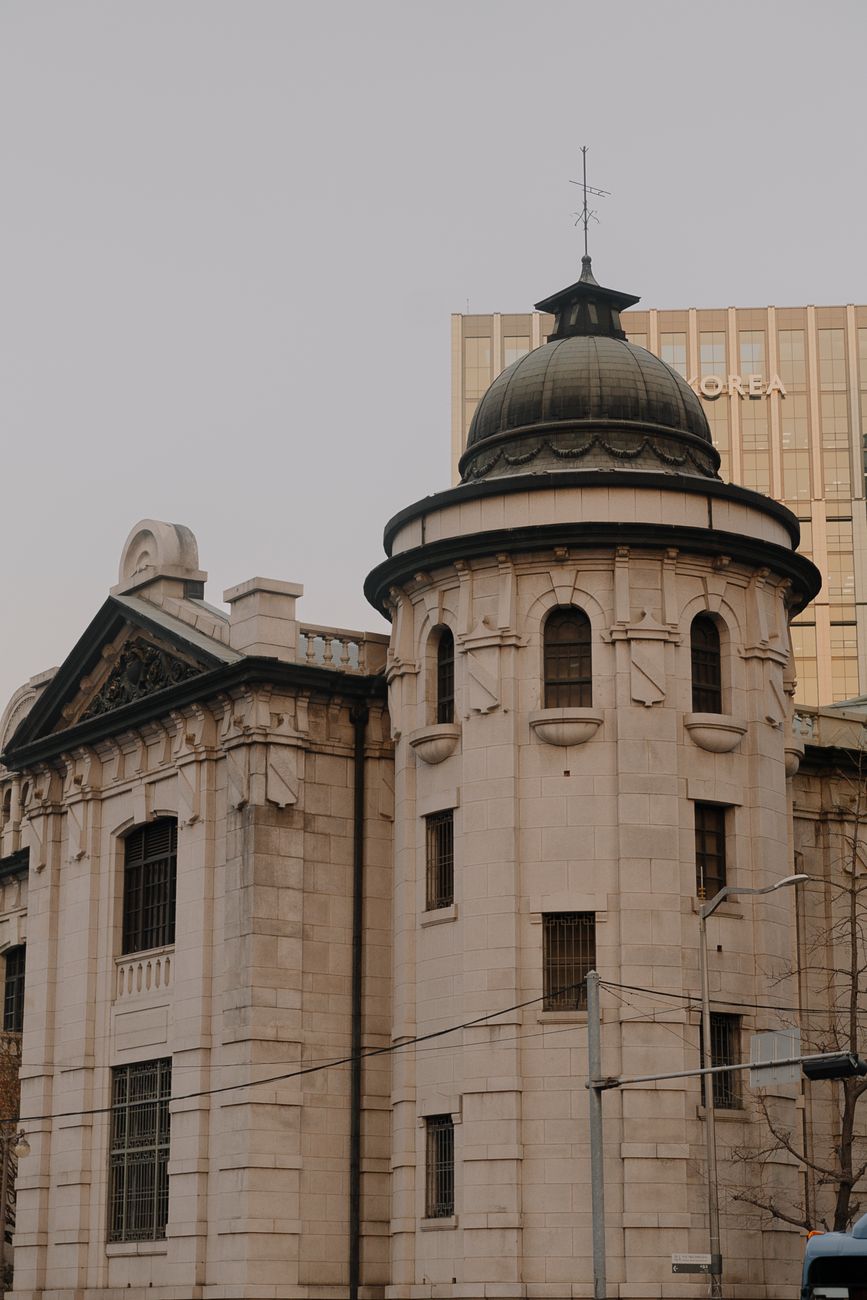
South Korea’s Bank of Korea said Wednesday that higher interest rates may be needed later to curb strains from rising home prices, household debt and debt-financed equity bets, putting financial stability back at the centre of its policy debate even as growth stays soft.
The shift matters because the rate discussion is no longer only about inflation. The benchmark rate has been held at 2.5 per cent since the second half of 2025, while Bloomberg said Seoul apartment prices have climbed for a 72nd straight week. That leaves policymakers trying to support activity without allowing cheaper credit to spill back into property and speculative borrowing.
In comments reported by Bloomberg, the central bank said “higher interest rates will be needed at an appropriate time” if rising home prices, household debt and margin-funded investment continue to threaten financial imbalances. The wording does not point to an immediate increase. It does make a softer rates message harder to sell.
Hwang Kun-il, a Bank of Korea board member, made the concern more explicit in remarks carried by Reuters:
There are worries about household debt growth rising again as house prices continue to increase in the Seoul area and leveraged asset investments grow.
Hwang Kun-il, Bank of Korea board member
The two warnings are cleaner than the usual central-bank caution from Seoul. The question is less whether inflation alone justifies tighter policy than whether borrowing tied to apartments and risk assets is starting to outrun the Bank of Korea’s tolerance again.
That is a warning, not a timetable.
For investors, the message is about the bank’s reaction function. Once the Bank of Korea frames balance-sheet risk as a policy problem, a later easing cycle becomes harder to justify on growth concerns alone. It is also more restrictive than a routine hold: household balance sheets and housing debt can still move the policy conversation, even when headline inflation is not the only variable in play.
Debt and property back in focus
Policy rate changes in South Korea do more than steer consumer prices. They also shape mortgage demand, household borrowing appetite and the willingness of investors to fund equity positions with borrowed money. When the Bank of Korea talks openly about financial imbalances, traders have to read the rates path through a wider lens than the next inflation print or growth update.
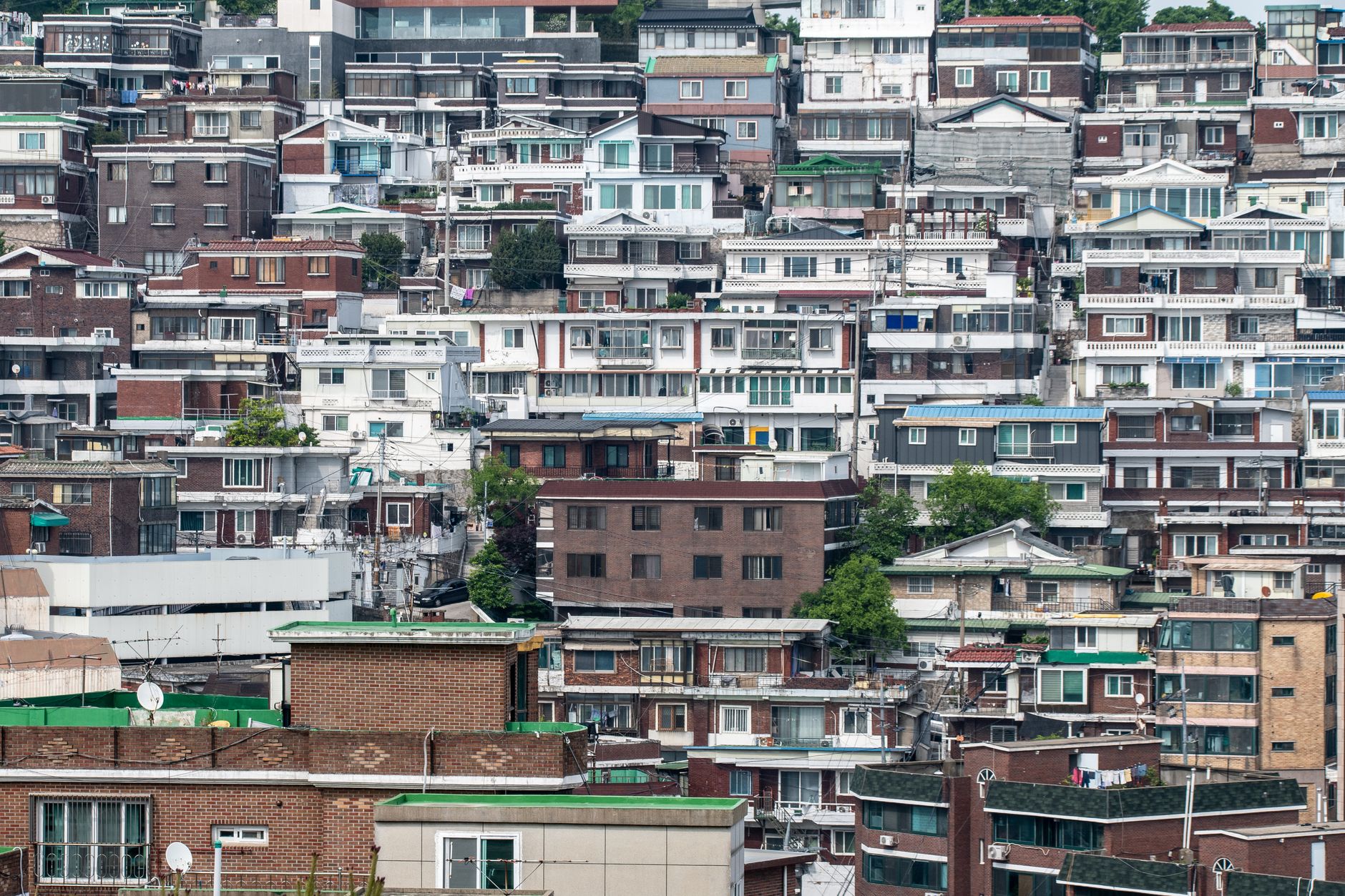
Seoul’s housing backdrop explains the shift. A 72-week run in apartment-price gains is the kind of persistence that can pull policymakers back into a financial-stability frame, especially when officials are flagging renewed household debt growth. Reuters’ reporting added another concern: the pressure is not confined to property. Hwang’s warning on asset investment points to the risk that borrowing costs low enough for homebuyers may also be encouraging speculative positioning in stocks.
That does not lock in a near-term move. It does raise the bar for an easier policy message. A central bank that is linking house prices, household borrowing and margin-funded investing is telling markets that cuts, if they come, cannot be judged on growth alone. For Korean banks, property-sensitive borrowers and domestic risk assets, financial-stability language is back near the centre of the policy debate.
The next test is whether future Bank of Korea communication keeps the same emphasis. If home-price gains in Seoul continue and household borrowing accelerates, Wednesday’s warning will look less like a one-off caution and more like the opening argument for rates that stay restrictive longer than investors had expected.
Helena Brandt
Macro reporter covering the Federal Reserve, ECB, inflation prints and jobs data. Reports from Washington.