Qatar gas plant blast leaves 18 missing; LNG flows in focus
Qatar gas plant blast left 18 workers missing and injured 54 at Ras Laffan, with traders watching whether domestic damage spills into LNG exports.
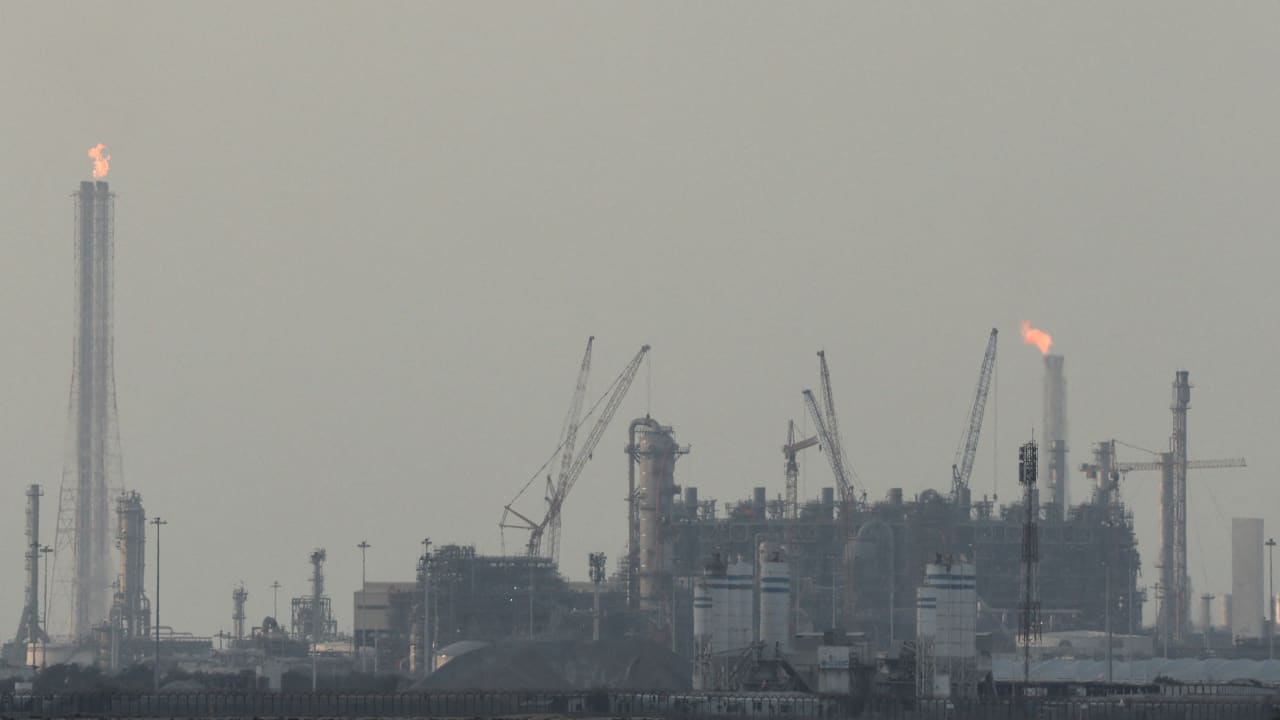
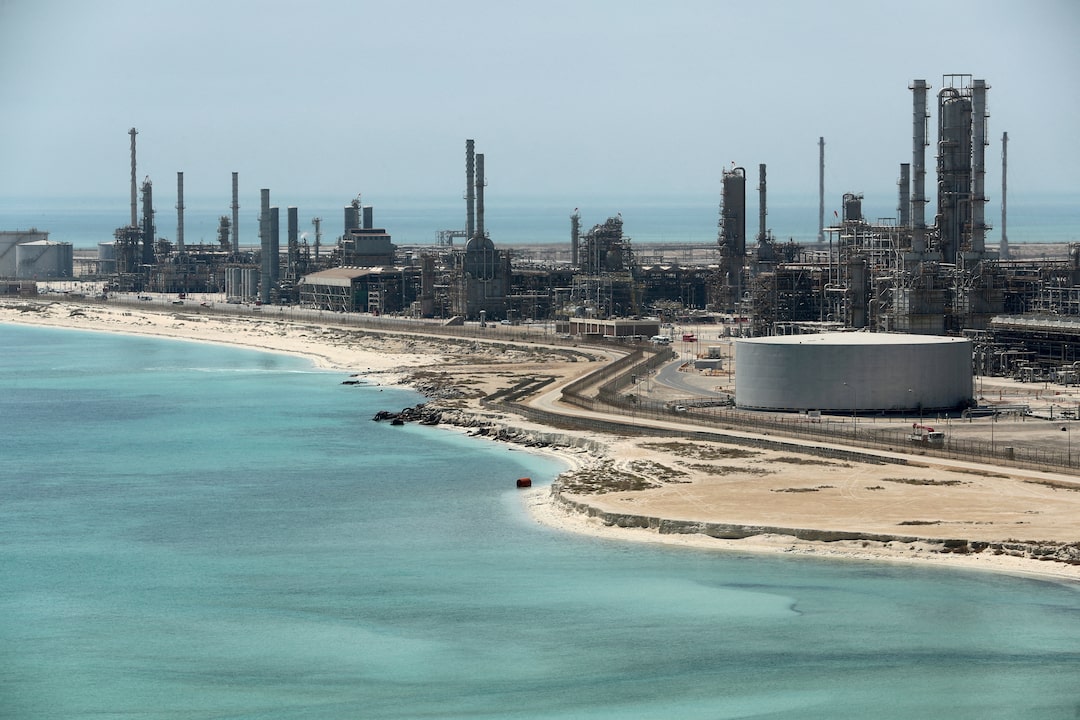
An explosion at Qatar’s Ras Laffan industrial complex left 18 people missing on Sunday and injured dozens more, putting LNG traders on alert for any sign that damage at a domestic gas plant could spread into export operations. Early accounts pointed to a contained accident, not an outage at the loading hub, but Ras Laffan is central enough to Qatar’s gas system that desks were unlikely to ignore it.
Qatar’s Interior Ministry said a malfunction during startup caused the blast at a gas facility in Ras Laffan Industrial City. A separate report said 54 people were injured. The site is more than an isolated industrial plant: it hosts domestic supply equipment, LNG trains, storage and marine loading facilities. That mix explains why the market reaction cannot be read from casualty figures alone.
The ministry later said there was no leak that “threatens safety”, giving traders an initial sign that officials did not see a wider loss-of-containment event.
“No leak that threatens safety.”
Qatar Interior Ministry, via the Times of Israel live blog
Bloomberg reported that the affected Barzan plant serves domestic industry and power generation. If that holds, the first-order risk sits with local gas balances rather than with LNG cargoes. Barzan’s role inside the domestic system matters for Qatar’s own power and industrial users, but it does not by itself imply damage to the trains that chill gas for export. Traders still have to ask whether shared utilities, feedgas routing or port operations were affected. For now, the domestic-plant distinction is the key fact.
Why traders care
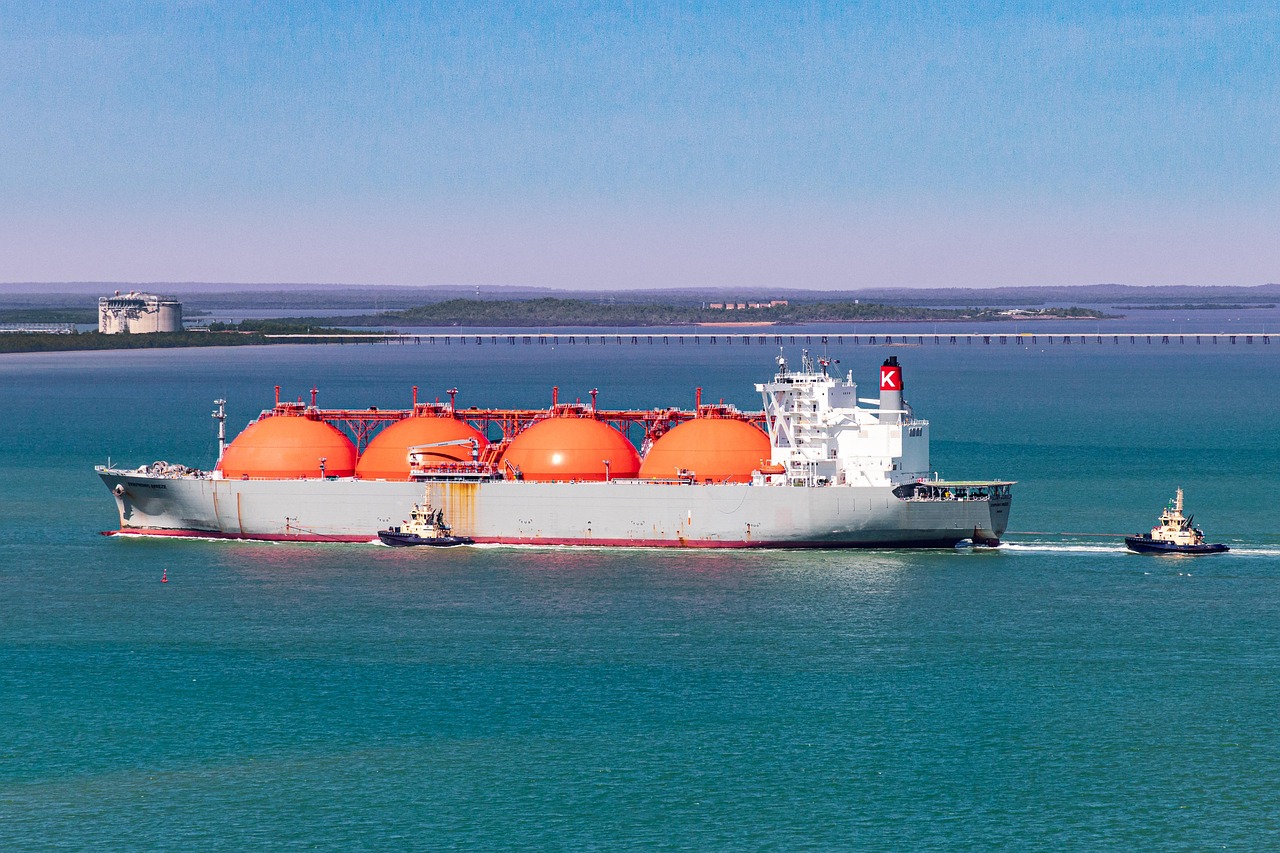
The timing made the blast more sensitive than a routine industrial accident. In separate Bloomberg reporting on Qatar’s shipping flows, the country was bringing empty LNG carriers back through the Strait of Hormuz as exports recovered, with four ballast vessels moving through the chokepoint. Desks were already watching Ras Laffan for signs of normalisation after weeks of war-related shipping disruption. An incident at the same hub was always going to be read through that lens.
Qatar’s scale makes the caution rational. Bloomberg said the country was preparing to restore shipments that account for about a fifth of global LNG supply, and that roughly 300,000 tons were loaded in the week to June 19. When a supplier that large reports an operating problem at its main gas city, the market starts with practical questions: are trains running, are berths loading, and are scheduled cargoes leaving on time.
Silence can move prices almost as much as confirmed outages. In LNG markets, the absence of a clear export-status update can keep a risk premium alive longer than the initial event might justify. Traders can see vessels and count ballast movements, but they cannot immediately see whether feedgas routing, utilities or maintenance schedules inside a giant industrial complex have changed.
What traders watch next
For now, the evidence points to a more contained event than the headline might imply. Officials described a technical accident during startup, not a security incident or a strike on export assets. The ministry’s public comments focused on the scene itself. Early reporting also kept drawing the line between the damaged domestic gas plant and the export system. That does not remove uncertainty, but it argues against assuming an immediate disruption to LNG supply without confirmation from QatarEnergy, shipping trackers or buyers.
A domestic-gas interruption could still prove costly inside Qatar even if export cargoes continue to move. Power demand, industrial supply and restart timelines all matter for the operator. Those are different questions from whether Asian and European buyers lose cargoes. Keeping the layers separate is the cleanest way to read the story before more plant-level detail emerges.
The next updates carry more weight than the first flash. Traders will look for a statement from QatarEnergy on plant status, any sign of loading delays at Ras Laffan, and whether vessels continue to queue and depart normally. If those indicators hold steady, the blast is likely to settle into a domestic industrial accident with tragic human consequences but limited spillover into global gas trade. If they do not, the market will move from casualty reporting to supply-loss math.
That is where the accident fits in the Gulf’s energy-risk map. The region has already forced oil and LNG desks to price geopolitical danger around Hormuz. This time, the trigger looks operational rather than military. For buyers and traders, the question is familiar: whether anything at Ras Laffan can interrupt cargoes from a country that still anchors global LNG supply.
Reza Najjar
Commodities desk covering oil, natural gas, gold and base metals. Reports from London.