Saudi Aramco helicopter crash tests oil after Hormuz reopening
Saudi Aramco helicopter crash killed 14 near Ras Tanura, forcing oil traders to reassess how fast Gulf supply risk is really fading.
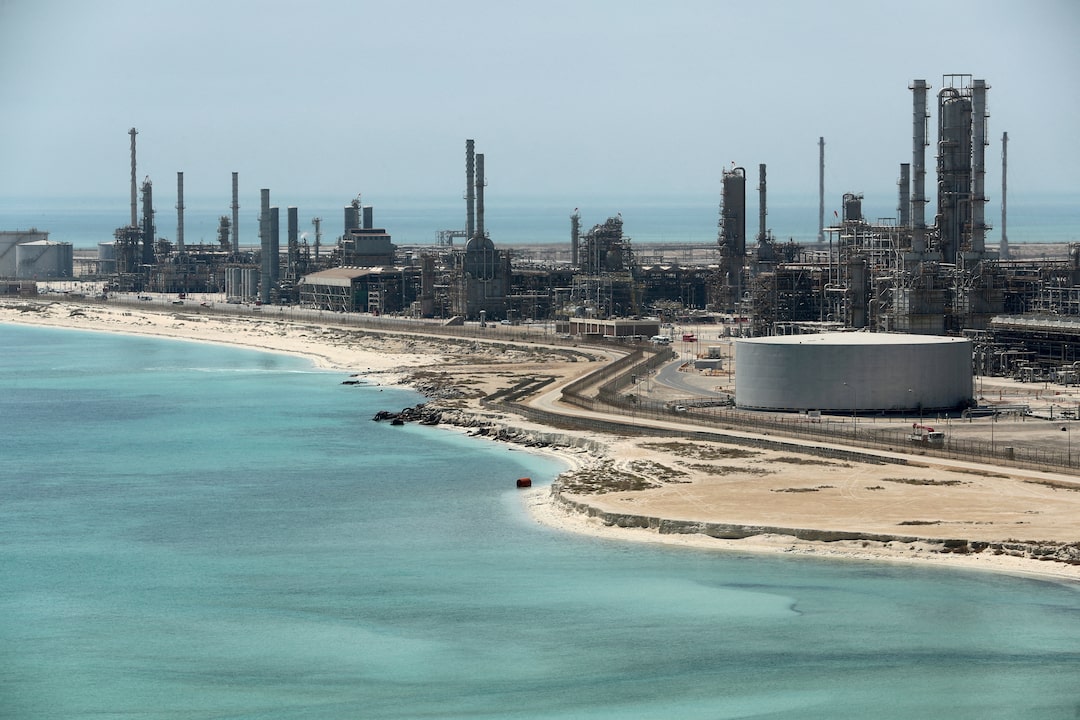
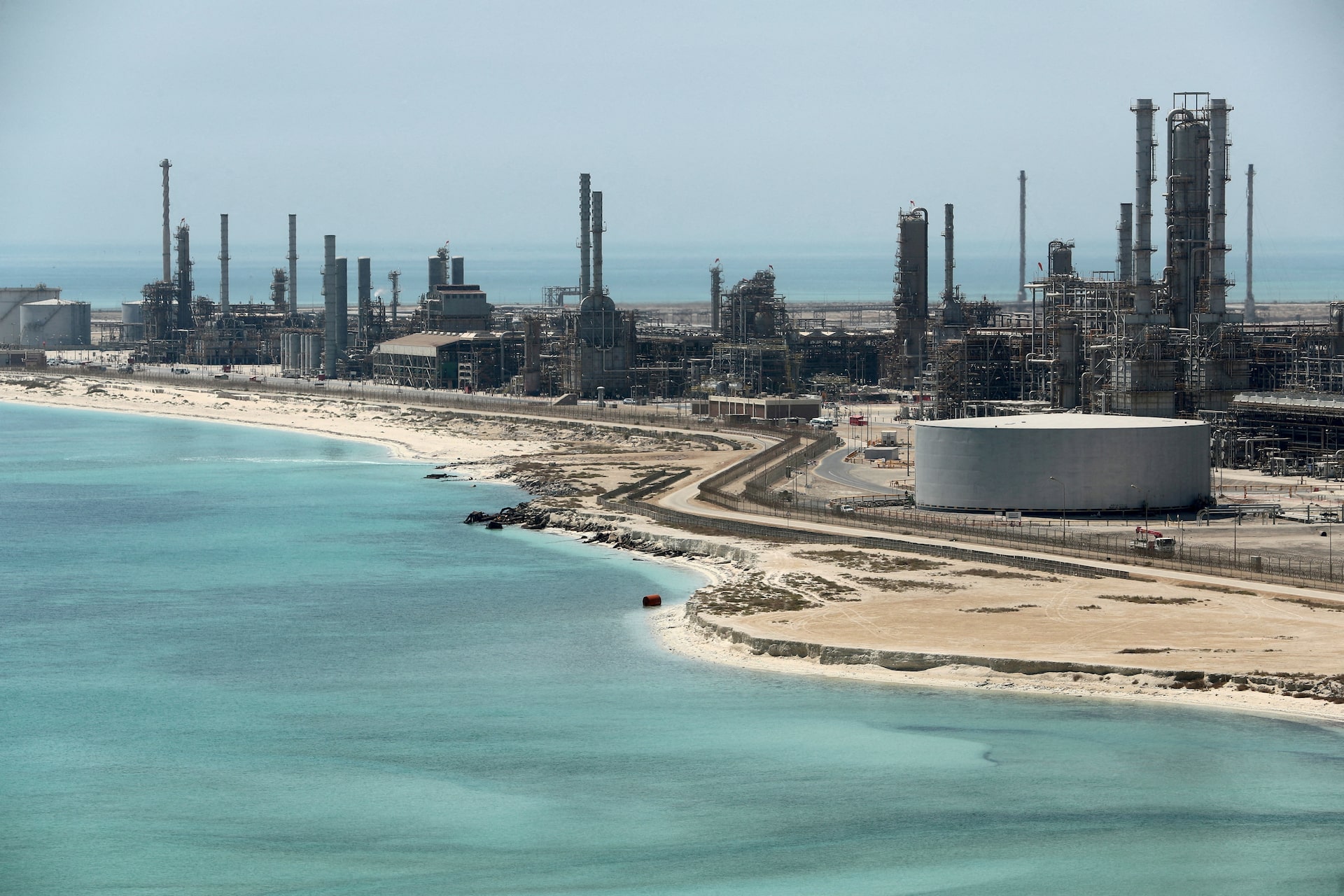
A Saudi Aramco helicopter crash near Ras Tanura killed 14 Saudi nationals early Sunday, cutting across the calmer oil-market narrative that followed the tentative return of shipping flows through the Strait of Hormuz.
The aircraft went down at about 6 a.m. local time, or 03:00 GMT, according to the Saudi state news agency cited by Reuters and Al Jazeera. For crude traders, the hour and location were enough to interrupt a weekend repricing. Part of the war-risk premium around Gulf shipping had started to bleed out of prices; the crash made that trade look less settled.
Saudi officials have so far described the incident as an accident, with no confirmed link to an attack or broader operational disruption. The statements reviewed for this article centred on the deaths and the investigation. They did not point to an immediate change in Saudi Aramco production, exports or port activity around Ras Tanura, the eastern Saudi oil hub.
“The relevant authorities have launched a full investigation to determine the cause of the crash.”
Saudi state news agency, via Reuters
That narrow account leaves the market waiting for the next official detail. The restart of Hormuz traffic had encouraged the view that Gulf supply routes were moving back toward normal. A fatal accident involving the region’s largest oil company does not change output on its own, but it makes investors less quick to wave away operational risk around infrastructure near the centre of Saudi export flows.
Reuters said the crash came only days after crude loadings at Ras Tanura resumed following a halt of nearly four months. That timing matters. The accident is now tied, at least in traders’ minds, to a logistics system that had only just begun to look less constrained after a long pause.
No supply loss has been reported. Even so, recovery phases leave little room for clean assumptions. A transport accident around a major oil operation can shift how traders price staffing, vessel scheduling and export reliability before any lost barrels show up in the data.
For Monday’s crude session, the immediate test is whether officials can keep the crash ring-fenced as a transport tragedy and investigation. If later statements touch on port access, personnel movement or tanker scheduling in the Gulf, the market reaction could become less contained.
Why traders will focus on Ras Tanura
Ras Tanura matters because it is one of Saudi Arabia’s key oil hubs, and because oil desks are still recalibrating after days of conflict-driven disruption and a tentative reopening of Hormuz. The ceasefire trade had begun to unwind some regional risk premium. Sunday’s fatalities test how durable that move was.
The official record remains deliberately narrow. State media and the Saudi Ministry of Energy have focused on the death toll and the investigation, and there was no public indication in the material reviewed for this article that Saudi Aramco changed production guidance or export plans on Sunday. That may steady the market if it holds. The gap is operational detail: traders will stay sensitive to any follow-up statement on Ras Tanura’s transport and loading picture.
Oil markets are back to pricing probabilities rather than certainties. If the crash proves isolated, the Gulf reopening story can reassert itself. If it exposes fresh fragility around personnel movement or infrastructure access, some of the supply-risk premium that faded after Hormuz reopened could return quickly.
Reza Najjar
Commodities desk covering oil, natural gas, gold and base metals. Reports from London.