Saudi Aramco exports rebound as spot crude sales linger
Saudi Aramco exports are rebounding through Hormuz, but spot crude sales to Asia show Gulf supply is normalising faster than pricing risk.
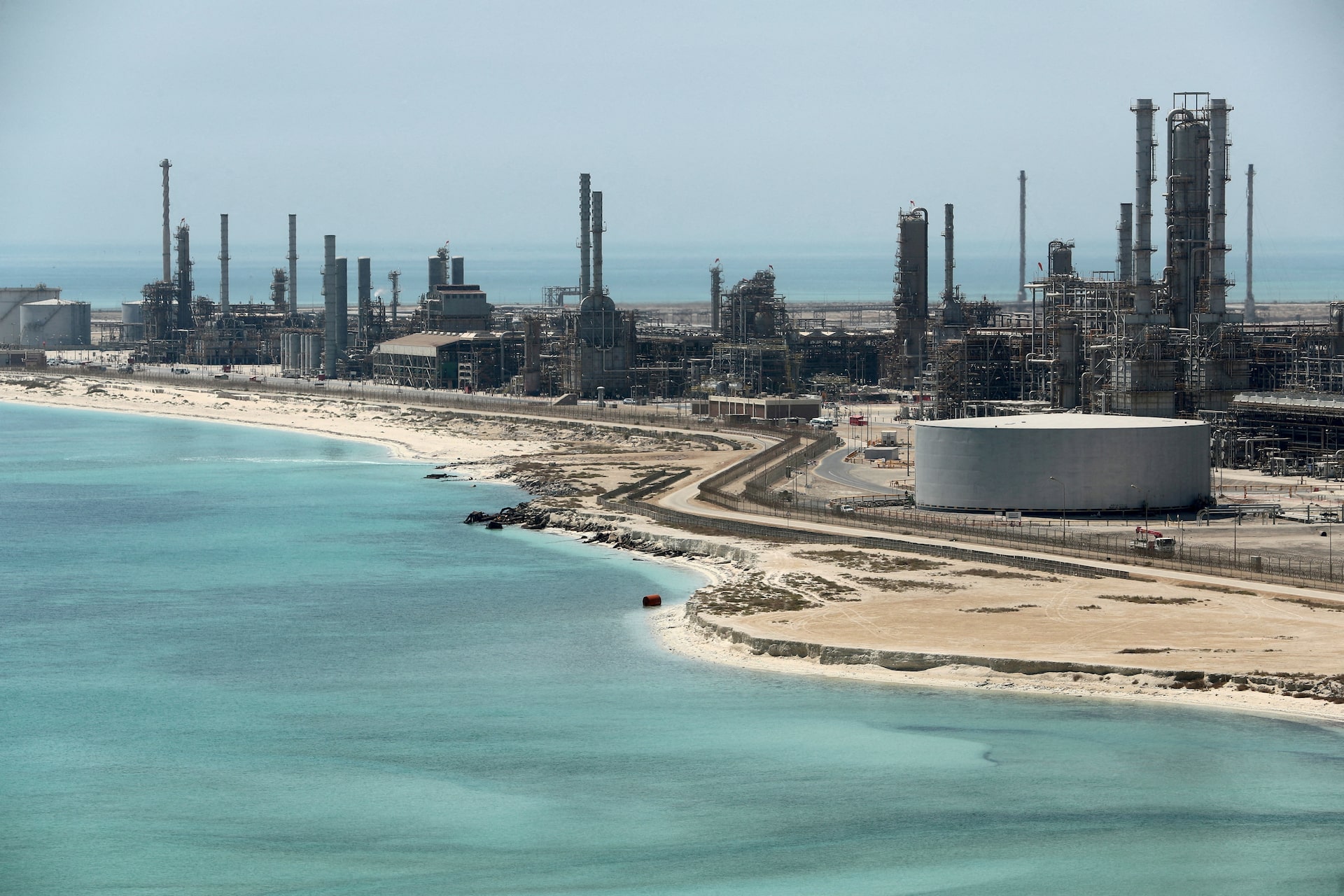
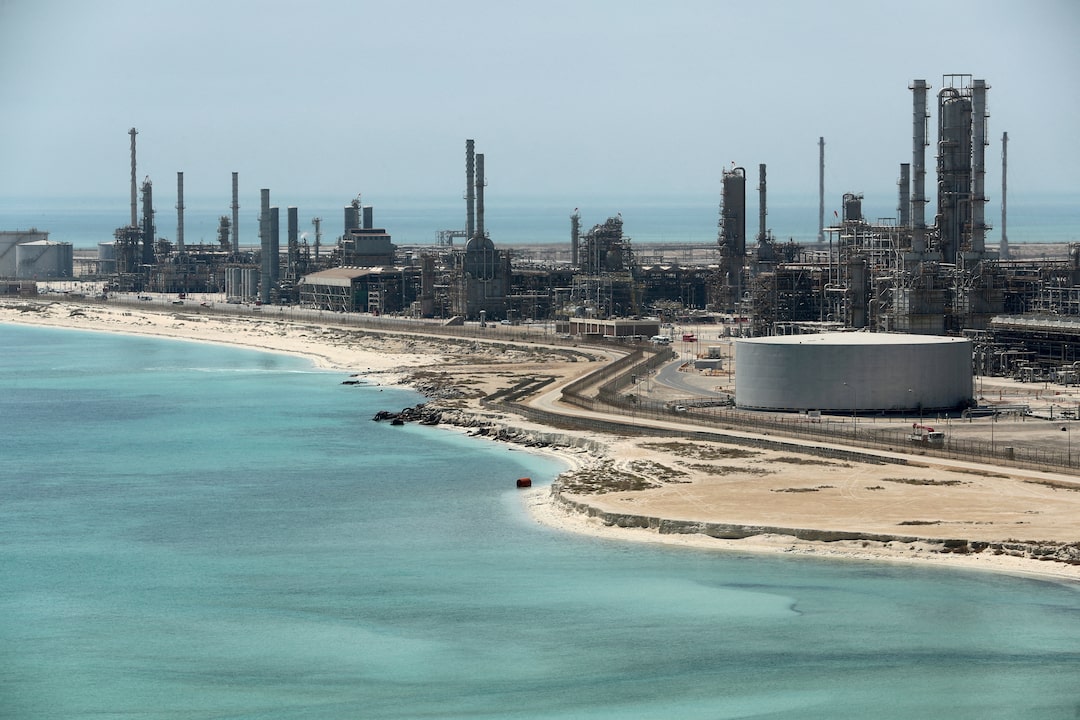
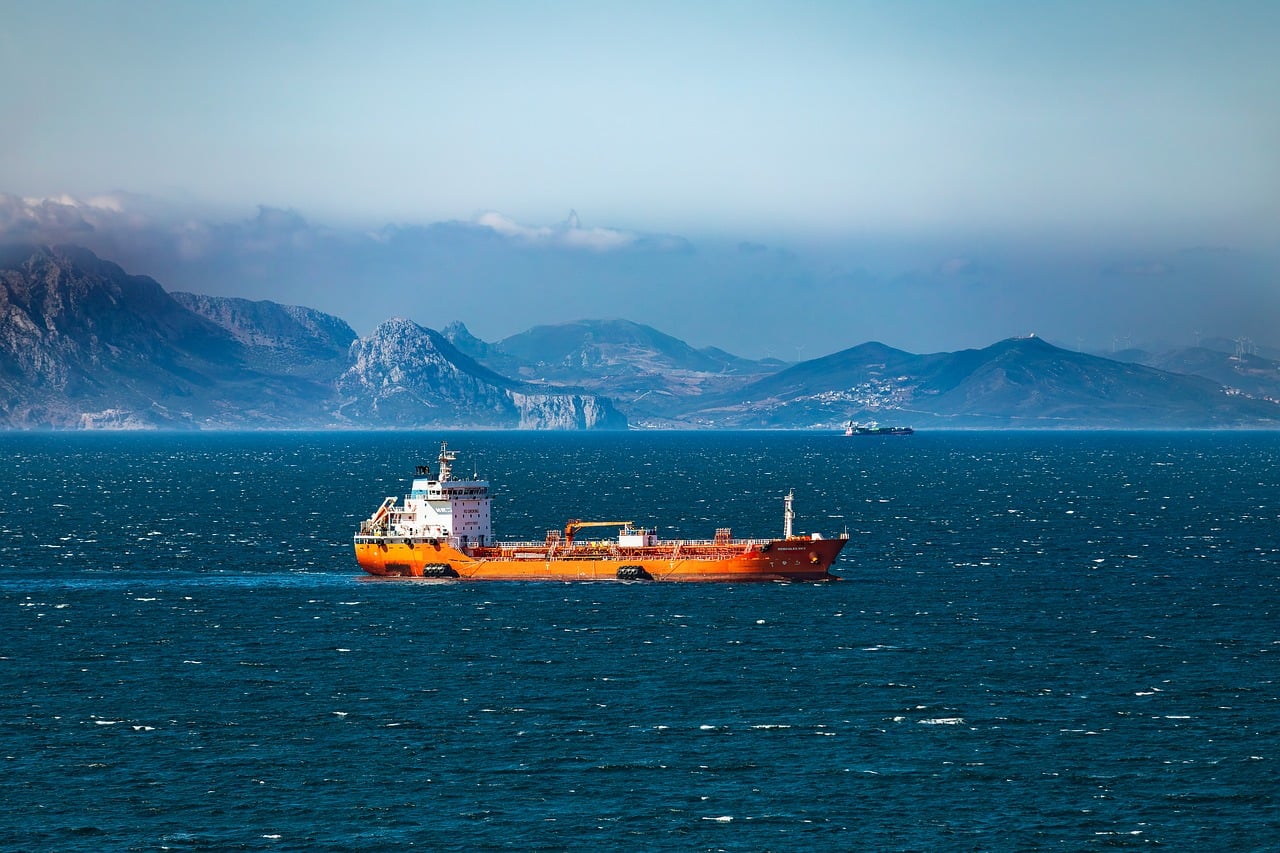
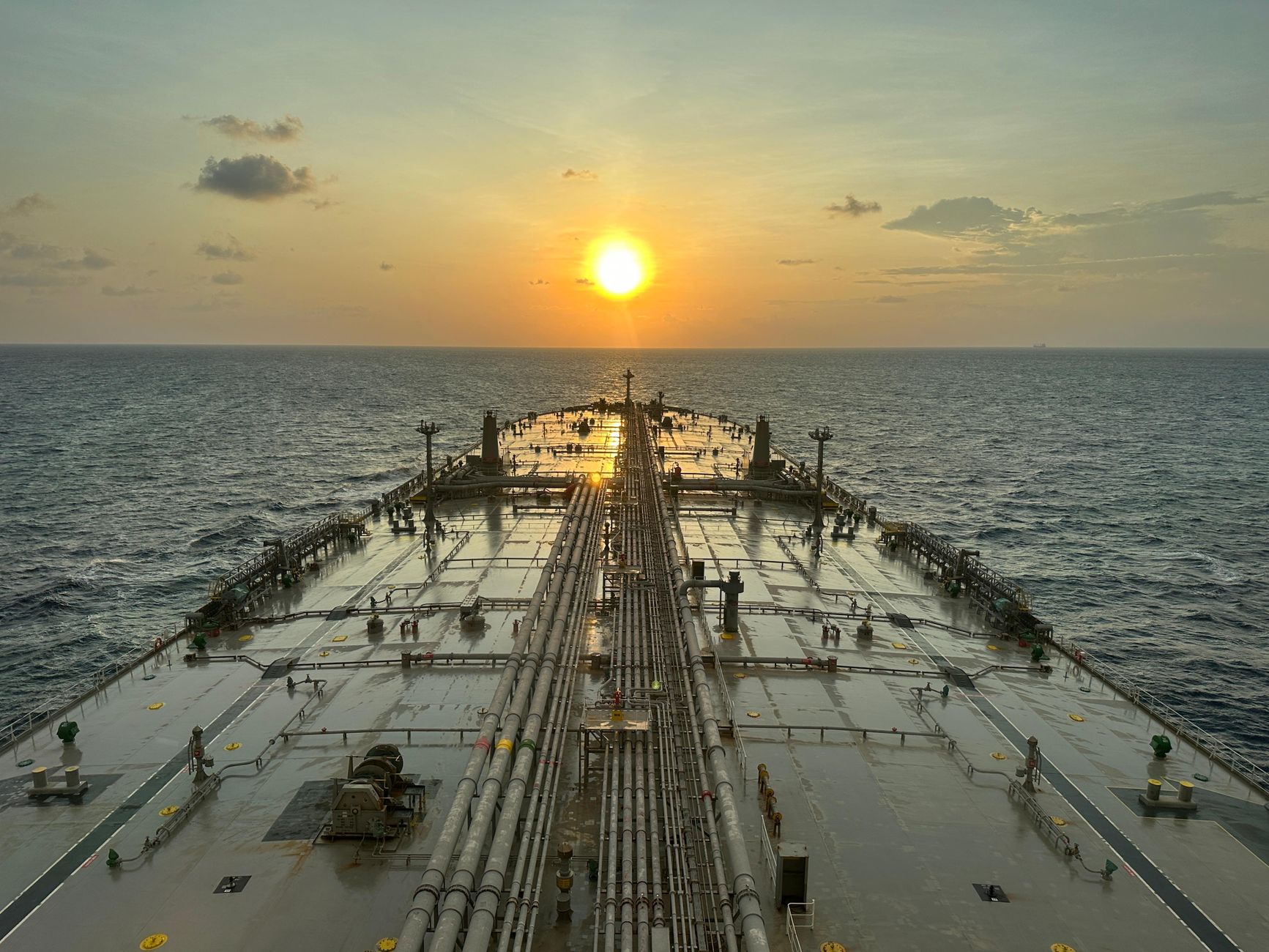
Saudi Aramco (2222.SR) has loaded about 10 million barrels of crude across five very large crude carriers from Ras Tanura after a near four-month halt, giving oil traders a clearer gauge of how quickly Gulf exports are recovering from the Strait of Hormuz shock. Ras Tanura is the kingdom’s main Gulf outlet. A return of sizable cargoes there shows Saudi supply routes are beginning to work again in practice, not just on shipping schedules.
Ship-tracking evidence has firmed in recent days. Reuters said the cargoes exited Hormuz, while CNBC reported that Saudi shipments through the waterway had risen since the interim U.S.-Iran deal. Bloomberg Markets wrote that Saudi flows had returned to about 90 per cent of pre-war levels. Those reports point to a backlog being cleared and to logistics moving out of emergency mode, though the route still carries a risk premium.
Pricing says the recovery is less tidy. Reuters said Aramco also offered roughly 6 million barrels to its usual Asian customers on a spot basis, quoting July official selling price premiums of $6 to $10 a barrel while Brent traded near $70. A fully reset market would normally lean harder on term formulas. Here, a producer can move more crude and still decide that contract formulas, freight costs and buyer appetite remain unsettled.
Spot cargoes solve a near-term problem for Saudi Arabia. They help move crude quickly as ports reopen and let Aramco test demand in Asia without pushing every barrel back into term sales at once. For traders, the distinction is important. Flow normalisation and pricing normalisation can diverge sharply after a disruption. Ships may be sailing again, but buyers still want to be paid for residual shipping, insurance and route risk.
Flows are returning
Brent shows how quickly the backdrop has shifted. Reuters said the benchmark traded close to $120 a barrel in March, when the conflict disrupted Gulf shipping and forced producers to reroute or delay cargoes. It has since retreated to about $70 as Saudi Arabia and other Gulf exporters restore loadings. That decline shows a market moving from fear of a supply squeeze to concern that too many deferred barrels could return at once if exports accelerate while demand growth stays only steady.
By late June, Bloomberg Markets reported on June 26 that Saudi Arabia was reopening Gulf ports while keeping Red Sea outlets active, giving the kingdom more than one channel to unwind the export backlog. The latest Ras Tanura loadings fit that pattern. Aramco is rebuilding route optionality rather than simply switching on one terminal, which gives the company room to press ahead with sales before the market has settled where freight and risk premia should clear.
Kpler tracking data and tankers operated by Bahri, the Saudi shipping group, showed the barrels moving through Hormuz in size, Reuters said. Physical traders tend to put weight on that signal because it shows what has left port, not what a producer plans to load. The Ras Tanura restart therefore looks less like a tentative reopening than a live test of how quickly Gulf supply chains can absorb delayed cargoes and re-price regional crude differentials.
Pricing still is not
Commercial terms have not normalised as quickly. Selling prompt barrels into Asia on a spot basis suggests Aramco sees an opening, but it also suggests the usual contract machinery has not snapped back into place. Reuters’ quoted premium range of $6 to $10 a barrel is wide enough to imply active negotiation when Brent is only around $70. As benchmark prices fall while official premiums remain elevated, buyers become more sensitive to timing, freight and substitution across grades.
Five VLCCs and 10 million barrels point to real logistical recovery at the Gulf’s most important export chokepoint. The use of spot sales, though, suggests producers still need to work harder to place some cargoes than they did before the disruption. Supply is reappearing faster than conviction. The physical market is reopening unevenly, not cleanly.
Attention now shifts to August pricing and whether liftings return to more standard contract terms. If they do, Aramco’s export ramp will look like a straightforward normalisation trade after a war shock. If they do not, the spot sales will carry the bigger message: Gulf barrels can move again, but buyers and sellers are still haggling over what post-Hormuz risk is worth. For now, the kingdom has shown that ships can sail. It has not shown that the market is comfortable paying for them in the old way.
Reza Najjar
Commodities desk covering oil, natural gas, gold and base metals. Reports from London.