Pakistan LNG buy shows Qatar export disruption lingers
Pakistan LNG buy forced a prompt cargo purchase at $16.74/mmBtu, signaling Qatar export disruption is still rippling through Asian gas trade.
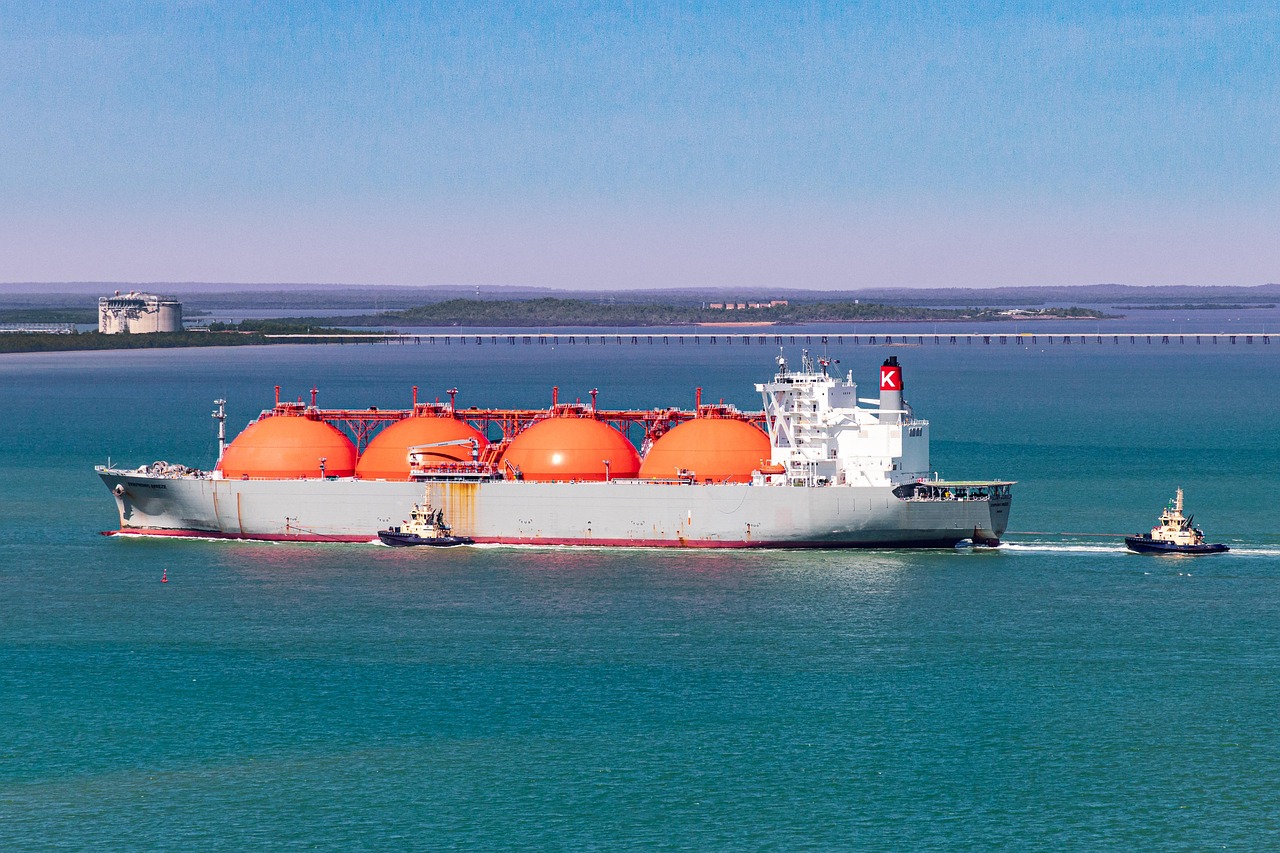
Pakistan LNG Ltd. turned to the spot market late Monday for a BP Plc cargo priced at $16.74 per million British thermal units, Bloomberg reported, showing that disruption around Hormuz was still reaching Asian gas buyers even as diplomatic tension eased. The cargo was for June 30 to July 4 delivery after interruptions to Qatari exports made regular supply less dependable.
For traders, the purchase was a physical-market check on the ceasefire narrative. A South Asian importer was not merely reshuffling a timetable; it was paying up for near-term fuel because the region’s main export corridor had not settled back into routine service.
In Pakistan’s case, the cushion was thin. Reuters analysis put the country’s June LNG arrivals at 210,000 tons even as Asia’s overall imports recovered to 21.83 million metric tons, the highest in five months, from a six-year low of 18.74 million tons in April. A delayed Qatari cargo therefore had a larger effect than it would have had in a looser import programme.
At $16.74 per million British thermal units, the cargo also carried the price signal of emergency cover. Bloomberg identified BP as the seller. That made the transaction look less like routine portfolio balancing and more like a buyer closing an immediate gap before the delivery window opened.
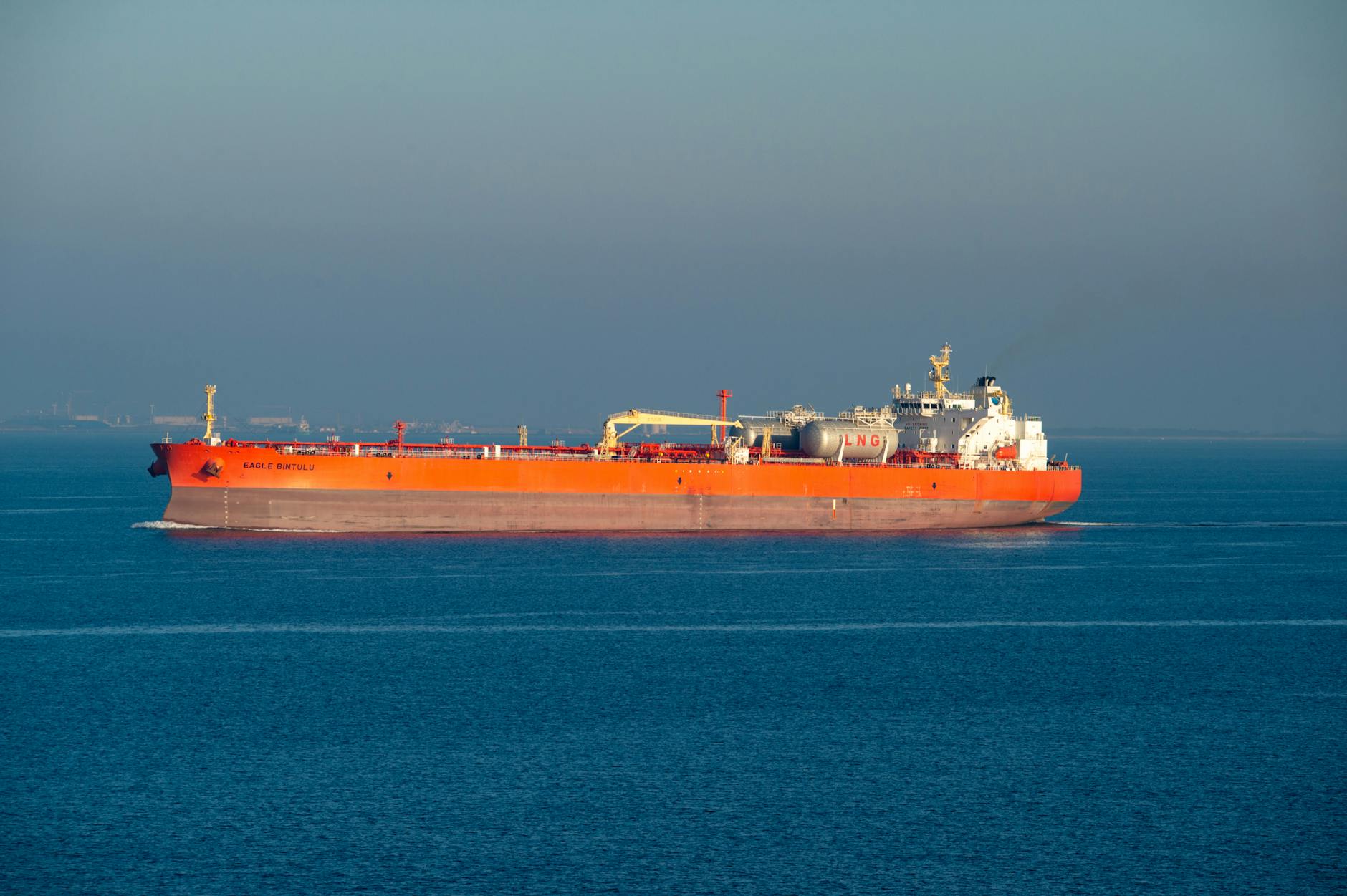
Reuters ship-tracking data suggested some traffic was returning. Reuters said seven Qatar-linked ballast LNG tankers had entered Hormuz in recent weeks, a sign that vessels were moving back toward loading positions. Buyers still lacked a broader run of loadings to show the bottleneck had cleared.
“Other empty LNG tankers are also on their way to Qatar. The ship-tracking data reinforces expectations that QatarEnergy will meet their LNG ramp-up schedule.”
Vivek Dhar, Commonwealth Bank of Australia analyst, via Reuters
Shipping restart remains uneven
Still, the restart was uneven. The same Reuters report quoted Ayush Agarwal, an S&P Global Energy analyst, as saying broad movement of ballast Qatari and ADNOC vessels toward the Gulf had yet to appear. Cargoes can be moving again while supply chains remain short of normal. For prompt buyers, that gap matters.
“Widespread movement of ballast Qatari and ADNOC vessels toward the Gulf is yet to be seen, reflecting a cautious and phased restart strategy.”
Ayush Agarwal, S&P Global Energy analyst, via Reuters
Demand conditions made the shipping lag more costly. Reuters analysis said Asia’s June LNG arrivals were on course for the strongest month in five months, helped by Chinese buying after the April slump. When regional demand is firmer, even a limited interruption to Qatar-linked cargoes can push South Asian importers into the spot market quickly.
Ceasefire language may calm headline risk faster than it normalises tanker schedules. Pakistan’s purchase showed why traders are likely to keep a disruption premium on Qatar exposure until more cargoes load and clear on time.
The point is not that Qatari supply has stopped. It is that reliability has not fully returned. As long as the restart is visible vessel by vessel rather than across the fleet, emergency procurement will remain part of the Asian LNG trade. Pakistan’s spot purchase was small in volume terms, but it showed how long Hormuz risk can linger after the diplomatic rhetoric turns calmer.
Reza Najjar
Commodities desk covering oil, natural gas, gold and base metals. Reports from London.