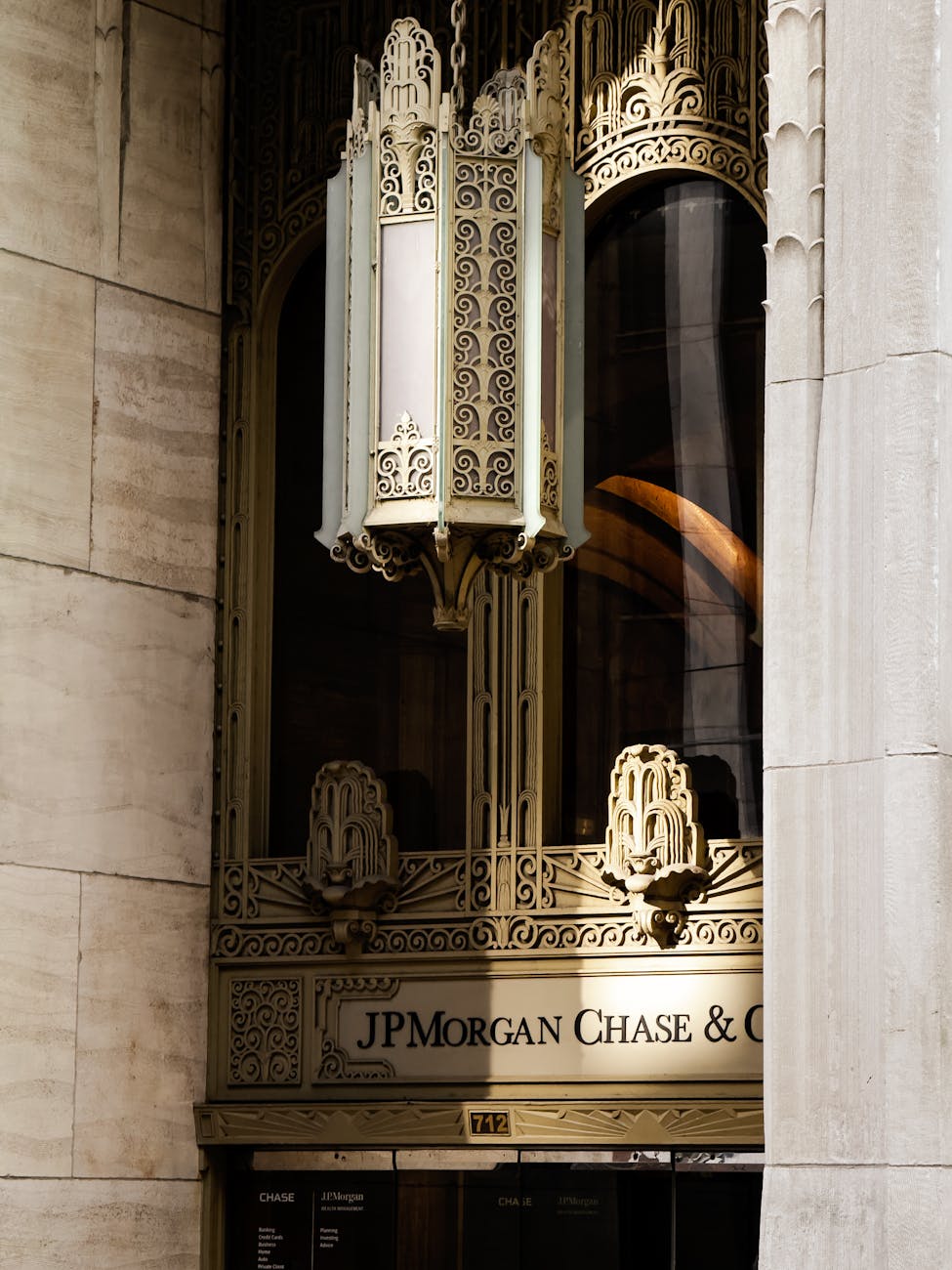
JPMorgan blocks Anthropic access for Hong Kong staff
JPMorgan blocked Anthropic access for Hong Kong staff, pushing Washington's AI curbs into bank compliance and workflow decisions in Asia.
JPMorgan Chase halted Hong Kong staff access to Anthropic’s AI models on Thursday, pulling Washington’s AI controls into the bank’s day-to-day workflow in Asia.
The Financial Times reported that JPMorgan had cut off Hong Kong employees from Anthropic, citing three people familiar with the matter. The decision followed Goldman Sachs’s April decision to bar Hong Kong bankers from using Anthropic’s Claude. That makes the issue for global banks narrower and more awkward than a general debate over whether staff should use Claude. A model can be useful, secure enough for internal pilots and still unavailable to employees in a market caught between U.S. export controls, provider terms and local client work.
The first squeeze came from Anthropic itself. Anthropic last week disabled some of its most advanced models after a U.S. order limited access for certain foreign users. Reuters said the company described some account shutdowns as “abrupt” after Washington’s order limited availability to some “foreign nationals”. For customers such as banks, that pushed a vendor dispute into an everyday access question: who may log in, where the employee sits and which legal team owns the exception.
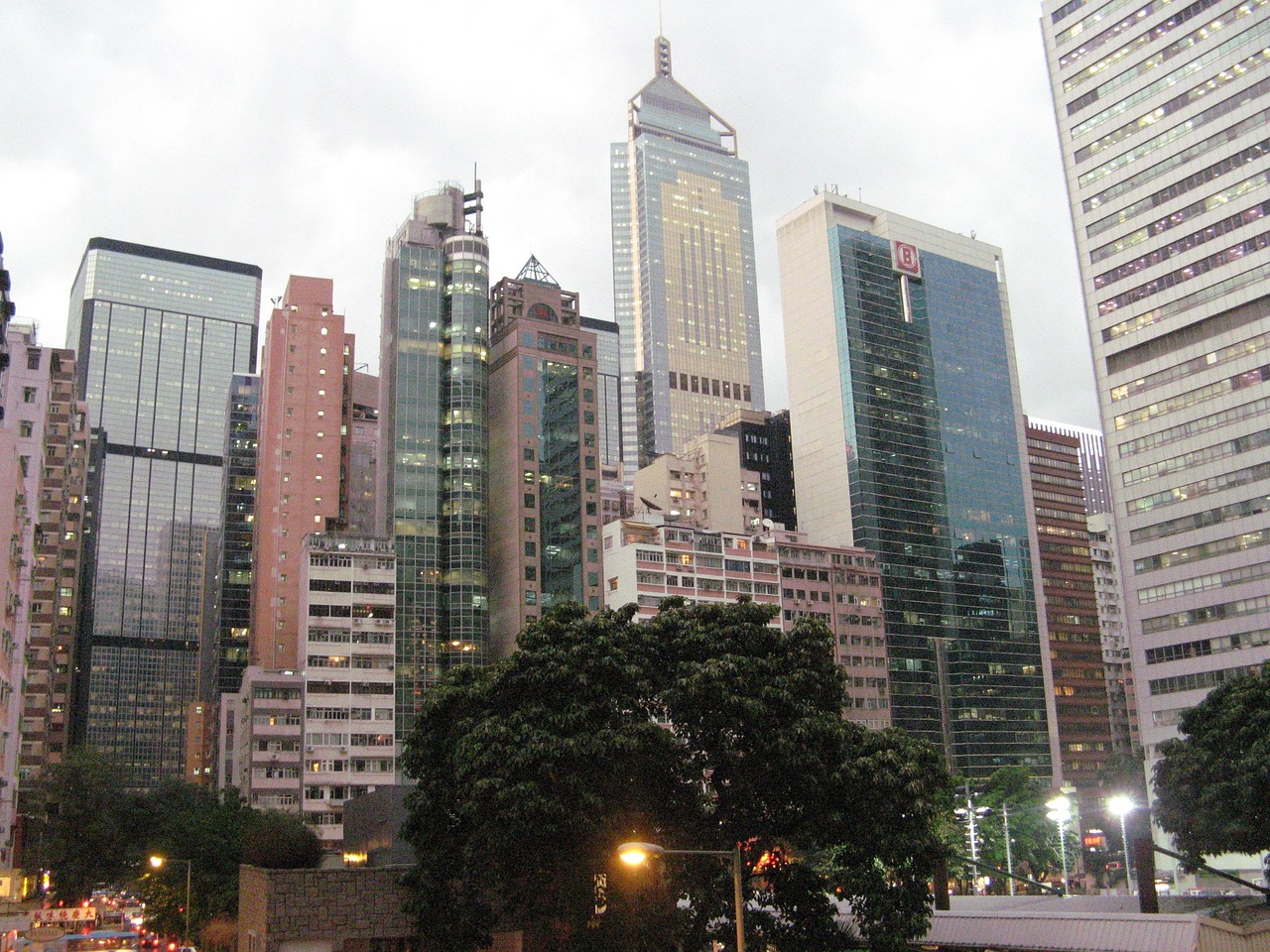
Hong Kong is not a small outpost for Wall Street firms.
It is a base for regional dealmaking, trading, research and wealth operations, often on mandates shared with colleagues in London, New York and Singapore. If one office can use a frontier model for internal drafting or research support and another cannot, the bank has to split work by location. Technology procurement stops being the only gatekeeper; legal and compliance teams have to decide how much uneven access they can tolerate.
The restrictions are also not being treated as blanket bans. The FT’s JPMorgan report and Goldman’s earlier move both centered on Hong Kong. That detail matters because banks have spent the past year trying to bring generative AI inside controlled systems without creating fresh questions around client data, staff supervision or cross-border policy exposure.
Compliance over experimentation
The cutoff makes Anthropic access look less like a software procurement decision and more like a permissions map. A model can be approved in principle but unavailable in a market where the rules, or a provider’s own obligations, remain unsettled. For a bank with one global franchise, that is messier than a clean yes or no: separate permissions, separate usage expectations and possibly separate vendor plans.
Goldman’s April move made the risk visible first. JPMorgan’s restriction suggests a wider operating reality. When Washington tightens controls around a frontier AI company, banks in Asia may change staff workflows before any bank-specific rule appears. In that setting, compliance officers can set the tempo of AI adoption as much as chief technology officers.
The policy backdrop has not settled. At this week’s G7 summit, French President Emmanuel Macron said he expected progress on a scheme to broaden access to Anthropic’s Mythos models among trusted partners. The comment showed that even U.S. allies are still negotiating terms for access to the most capable models.
For banks, the immediate implication is limited but concrete. Firms that hoped to standardise AI tools across regions may have to ringfence usage market by market, especially in businesses where internal controls already run tight. JPMorgan’s Hong Kong cutoff points to a slower phase of frontier-model adoption in finance, shaped by geopolitical permissions as much as product performance.
Naomi Voss
Banks and deals reporter covering bank earnings, fintech, M&A and IPOs. Reports from New York.