Yuan basket hits 2022 high as Asia haven flows build
Yuan basket strength is turning into an Asia haven trade as Iran-war risk reshapes flows and PBOC fixings signal comfort.
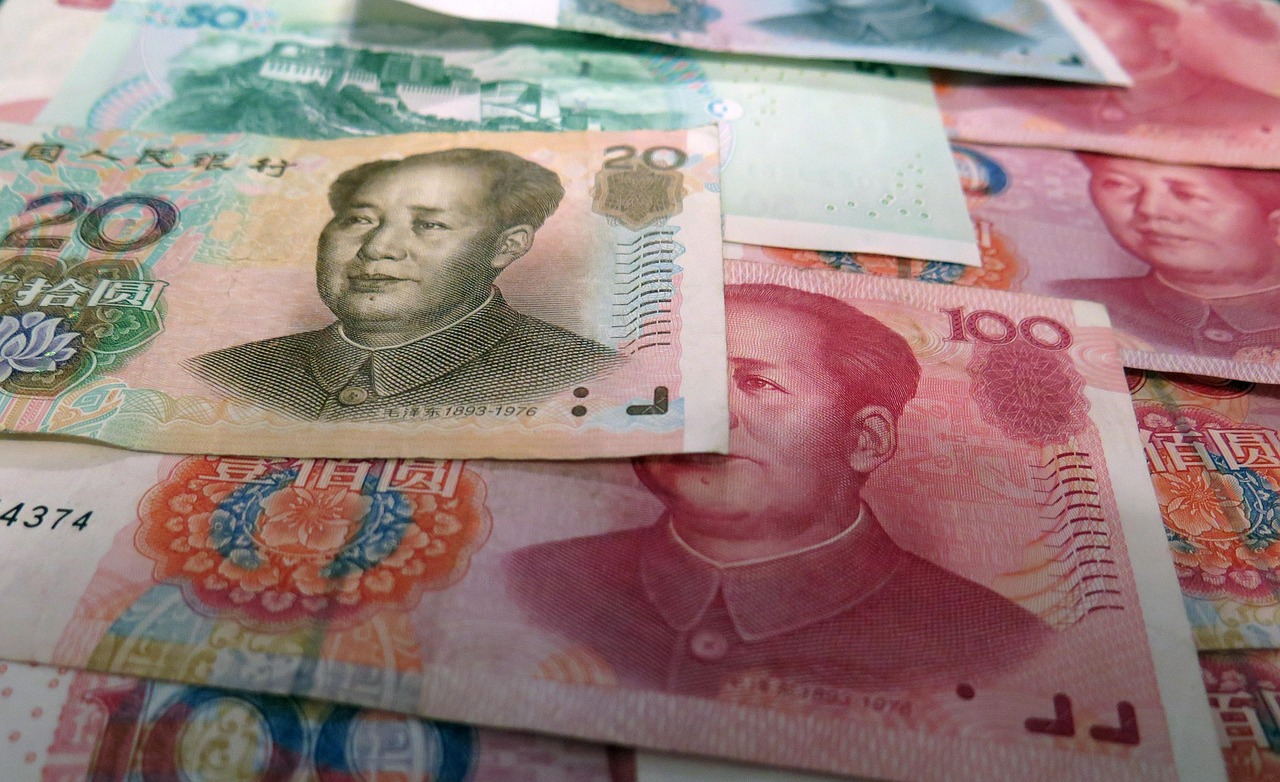
China’s yuan rose Tuesday to its strongest level against a basket of trading-partner currencies since 2022, moving a domestic foreign-exchange milestone into a broader Asia flows story as investors sought shelter during the Iran conflict.
The CFETS RMB Index reached 101.41, its highest since September 2022, Bloomberg reported in a yuan market report. The same dispatch was carried by a Financial Post syndication. Offshore yuan gained 1 per cent against the dollar in May, helped by signs that the People’s Bank of China is willing to live with a firmer exchange rate while regional investors search for relative safety.
Behind the index level is a shift in how Asia risk is being priced. War risk in the Middle East, volatile US rates and the gap between AI-linked equities and the rest of the market are changing which assets look defensive and which look crowded.
In the spot market, basket strength reads as a flow clue. Exporters, asset managers and domestic firms may be less eager to hold dollars. Official guidance, meanwhile, is not leaning as hard against the move as it did during earlier yuan sell-offs.
Beijing watches the same data from a different angle. During depreciation scares, traders focus on how far the PBOC lets the daily fixing move from consensus forecasts. The issue now is whether officials are comfortable with strength that supports confidence in Chinese assets without requiring a formal policy shift.
“The recent yuan fixings suggest that the Chinese central bank is comfortable with the yuan’s strength.”
Fiona Lim, senior foreign-exchange strategist at Malayan Banking Bhd., to Bloomberg
Why the basket matters
A CFETS basket move is dull plumbing until it starts to shift allocation decisions. The gauge measures the yuan against trading-partner currencies rather than only the dollar, so it can catch a regional signal that dollar-yuan alone misses.
A currency can look steady against the dollar while gaining against peers and export competitors.
For Chinese officials, a firmer basket gives some breathing room. They have spent much of the past two years trying to steady confidence in local assets without inviting a disorderly currency move. Allowing strength now can make Chinese bonds and cash look more resilient to global investors, even with the country’s growth backdrop still uneven.
Lim’s second point was durability. She said the trade-weighted move may last if the dollar and US yields stay elevated, a reading that depends on relative demand for Chinese assets and the PBOC’s daily fixing signal rather than one session of spot-market positioning.
“This yuan trade-weighted strength has legs, especially if the dollar and US Treasury yields remain elevated.”
Fiona Lim, senior foreign-exchange strategist at Malayan Banking Bhd., to Bloomberg
The haven label rests on that distinction. The yuan does not need to jump against the dollar to change regional allocation decisions. If it holds its value better than nearby alternatives, it can become a parking place for cash while investors wait for clearer signals from oil prices, Treasury yields and the conflict in the Middle East.
Asia flows reset
India gives the contrast. A separate Bloomberg report on Indian equities said global money managers have pulled $45 billion from Indian stocks since the start of 2025, while foreign investors own less than 15 per cent of that market.
Those figures do not make China insulated from outflows. They show that Asia allocation has become more selective. Investors are weighing geopolitics, earnings exposure, AI-led equity performance and currency stability at the same time. A steady yuan can matter more in that setting than it did during the dollar-rally phase of 2024 and 2025.
Stephen Chiu, chief emerging markets FX strategist at Bloomberg Intelligence, pointed to the official pushback that would be needed to slow the move. The PBOC would likely have to deliver a much weaker fixing and more window guidance to curb onshore dollar selling, he said in the same yuan report.
“A lot weaker fixing and more window guidance from the People’s Bank of China onshore to curb dollar selling.”
Stephen Chiu, chief emerging markets FX strategist at Bloomberg Intelligence
For now, the signal is the absence of that pushback. If Beijing keeps setting fixings that allow the basket to hold near its 2022 high, traders may read the yuan less as a managed currency fighting depreciation and more as one of the large Asia assets benefiting from the region’s risk rotation.
A durable bid still has to survive any turn lower in the dollar or Treasury yields. If it does, the basket move will look less like a temporary squeeze and more like evidence that capital has started to treat China as a relative haven again, even in a region still marked by war risk and uneven equity returns.
Helena Brandt
Macro reporter covering the Federal Reserve, ECB, inflation prints and jobs data. Reports from Washington.