Fed Opens Crypto Master Account to Public Comment After Trump Order
The Federal Reserve opened a 60-day comment period on a new payment account tier for crypto and fintech firms, acting within 48 hours of Trump's May 19 executive order. The proposal could give exchanges and stablecoin issuers direct access to the Fed's settlement rails for the first time.
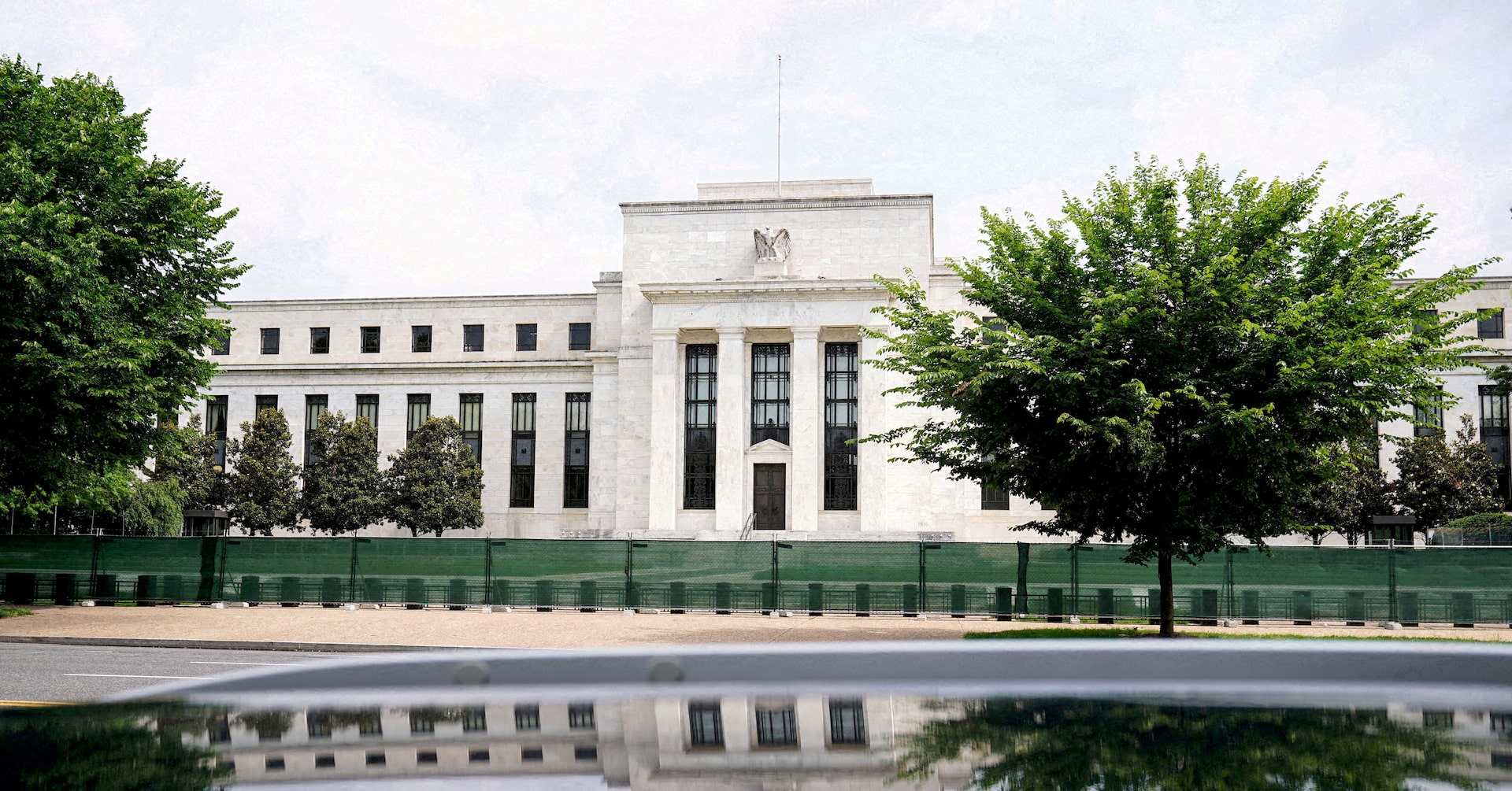
The Federal Reserve opened a 60-day public comment period Wednesday on a proposal to create a new category of master account for crypto and fintech firms, acting within 48 hours of President Donald Trump’s executive order directing the central bank to pull digital-asset firms into the U.S. payments plumbing.
Master accounts are the gateway to the Fed’s settlement rails—the pipes that clear trillions in interbank transfers every day. Banks hold them by default. Crypto exchanges and stablecoin issuers don’t, which forces them to route every dollar through an intermediary bank. The Fed board’s proposal, which it calls a “payment account,” would sit one tier below a full master account. It is, the central bank said, “tailored to support innovation by serving the clearing and settlement needs of certain eligible institutions while also mitigating material risks to the Reserve Banks and payment system.”
“The proposed payment account would be tailored to support innovation by serving the clearing and settlement needs of certain eligible institutions while also mitigating material risks to the Reserve Banks and payment system.”
— Federal Reserve statement, reported by The Block
The proposal’s architecture closely tracks a “skinny” preliminary version the Fed floated in December 2025. The new draft raises the maximum closing balance and adds tighter risk-mitigation language. The core idea—a limited-purpose account between no access and full access—has not changed.
The political tailwind
What is different now is the political pressure behind it. Trump’s May 19 executive order gives the Fed 120 days to deliver a master-account-access evaluation to the president. It also hands federal financial regulators 90 days to identify rules “impeding partnerships between fintechs and traditional banks”—treating bank-fintech tie-ups and direct Fed access as two legs of a single integration push.
Kevin Warsh is sworn in as Fed Chair on Friday. The question lands on his desk on day one.
Ian Katz, managing partner at Capital Alpha Partners, told American Banker that “we don’t expect that the order will be ignored by incoming Fed Chair Kevin Warsh.” The executive order also asks whether the 12 regional Federal Reserve banks—which currently decide master account applications case by case—should keep that authority or whether Washington should impose a single standard.
A precedent is already on the books. In March, the Kansas City Fed approved a limited-purpose master account for Payward, the parent company of Kraken—the first time a crypto-native firm got direct Fed payment-rail access. That approval took years of negotiation under the existing framework. A codified “payment account” tier would shorten that path for firms that clear the risk thresholds, at least on paper.
No analyst called the order a binding legal mandate. It is an optics exercise, they said—one that forces the Fed to defend a denial in public. Luke Nolan, senior researcher at CoinShares, told Decrypt the order “operates through optics, not any legal forcefulness.” Force the central bank to explain itself on a 120-day clock, he argued, and the political calculus flips: “any denial has to be defended out loud.” Katz at Capital Alpha stressed something different—that the new Chair’s willingness to act matters more than the order’s legal weight.
“The pressure is somewhat real but it operates through optics, not any legal forcefullness. A public 120-day report deadline puts the Fed in a position where any denial has to be defended out loud.”
— Luke Nolan, Senior Researcher at CoinShares, speaking to Decrypt
The community bank objection
Community banks are already pushing back. Rebeca Romero Rainey, president and CEO of the Independent Community Bankers of America, urged regulators to pause new crypto banking policies, warning that extending master-account eligibility to uninsured platforms could concentrate risk in the payments system. The ICBA has been the loudest institutional voice opposing direct Fed access for non-banks. Its core argument: master accounts carry an implicit federal backstop that should not reach firms outside the deposit-insurance framework.
The dispute sits inside a broader fight over how far federal banking privileges extend into crypto. Senator Elizabeth Warren, the Banking Committee’s ranking Democrat, criticised the Office of the Comptroller of the Currency earlier this week for granting national trust charters to Ripple, Coinbase, and other crypto firms. A trust charter pulls a firm into the regulatory tent. A master account puts it at the payment table. Warren’s office says crypto belongs at neither.
The comment period runs for 60 days. The Fed’s broader review lands in mid-September—roughly four months for Warsh to navigate a question that divides the central bank’s regional presidents, the industry, and Congress. For the exchanges, stablecoin issuers, and crypto payments firms that have spent years routing transactions through banking intermediaries, the difference between an optics exercise and an open rail depends on whether Warsh moves faster than his predecessors.
Tomás Iglesias
Financial regulation and legal affairs. SEC, CFTC, FCA, market-structure and enforcement. Reports from Washington.