Trump orders Fed review of crypto payment-rail access
Crypto payment-rail access moved back into the Fed debate after Trump ordered a review of rules shaping how banks and crypto firms connect to payment services.
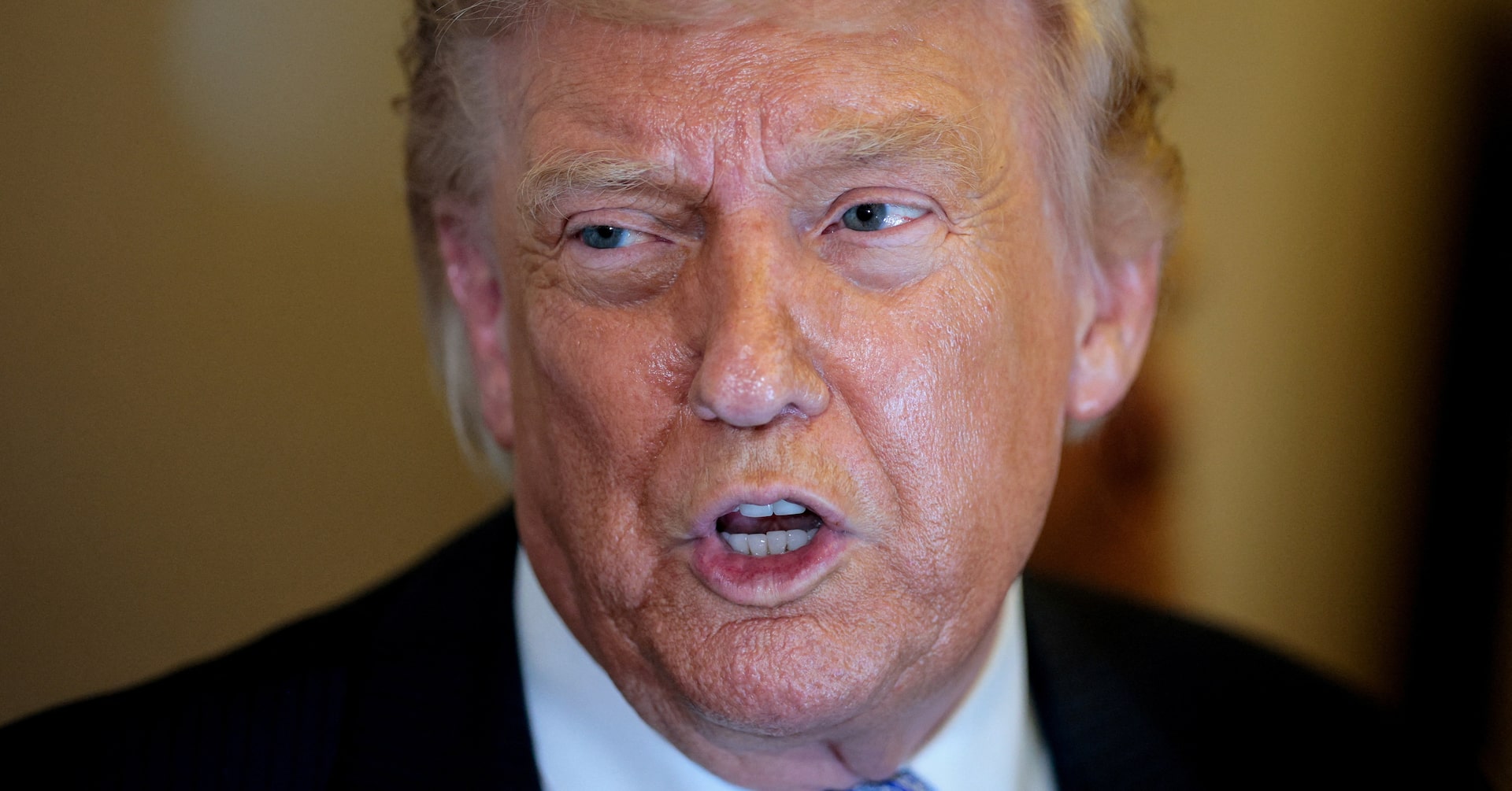
President Donald Trump on Tuesday ordered US regulators and the Federal Reserve to review how crypto and other fintech firms gain access to payment accounts and payment rails, pulling digital-asset policy into a fight over banking infrastructure rather than token rules.
Under the directive, agencies have three months to review rules, guidance and supervisory materials, then six months to take steps that encourage innovation, according to CoinDesk’s report. The White House is targeting the mechanics of access: who connects to the US payments system, through which institution, and on what supervisory terms.
The order’s language points to bank access and regulatory coordination, not another statement of crypto ideology. It calls on agencies to “streamline regulatory processes, reduce unnecessary barriers to entry, and encourage collaboration between fintech firms, federally regulated financial institutions, and Federal financial regulators.”
“streamline regulatory processes, reduce unnecessary barriers to entry, and encourage collaboration between fintech firms, federally regulated financial institutions, and Federal financial regulators”
— Executive order, via CoinDesk
For crypto exchanges and fintech groups, payment access means the difference between moving dollars through regulated channels and operating outside them. For banks, supervisory practice may have become a gate unto itself, separate from the legal test for any one account application.
Why the Fed matters
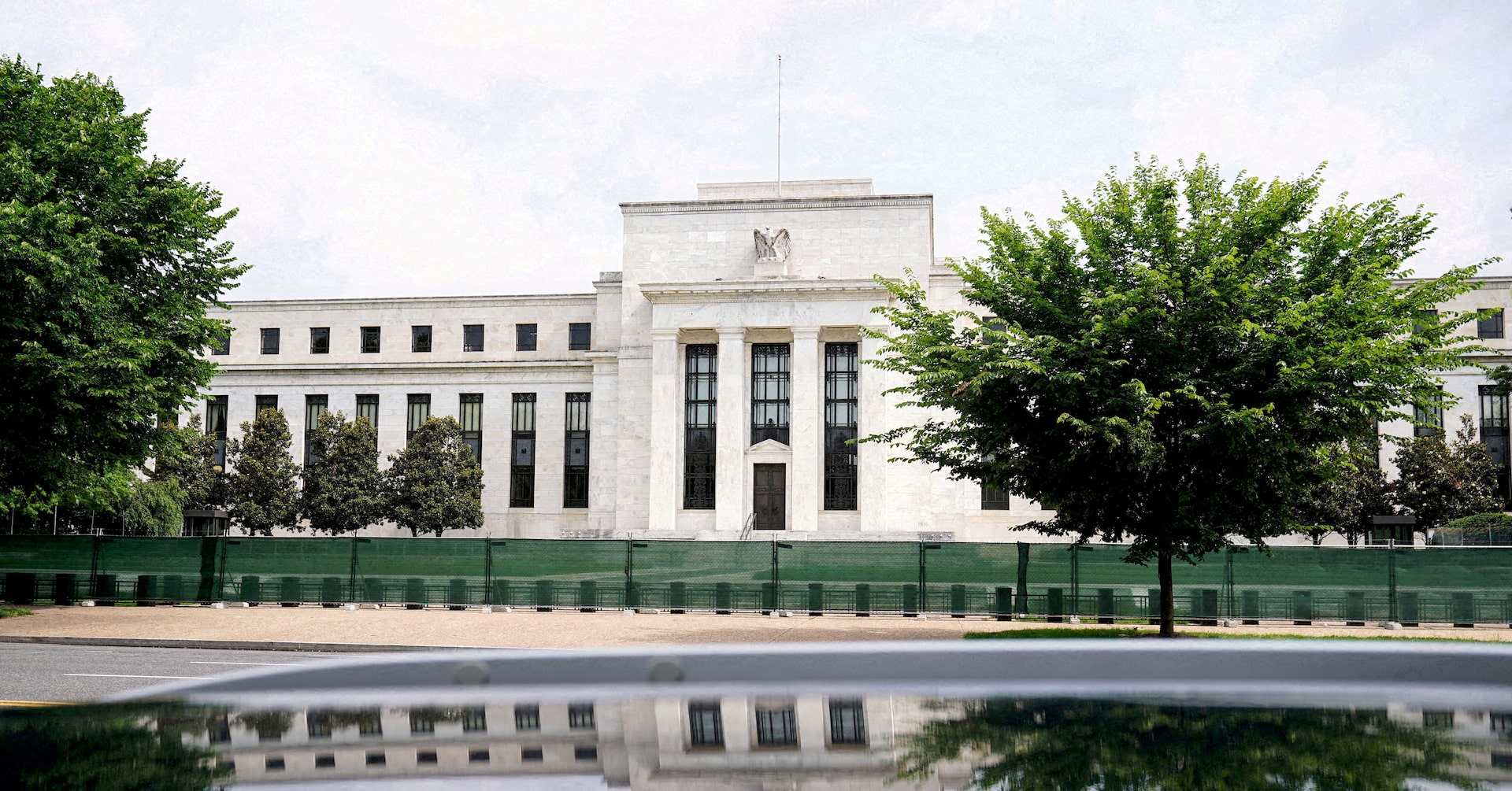
At the center of that dispute is the Fed. Payment accounts and related access determine how an institution clears and settles transactions in central-bank money. Even narrow wording around account eligibility carries large commercial consequences.
Reuters reported that the order asks the 12 regional reserve banks whether they can act independently of the Board when granting payment accounts, a governance question at the center of the master-account debate. If reserve banks have broad room to decide on their own, access hinges on the institution and the district. If the Board’s view dominates, the fight becomes national and political.
March supplied a live test. Reuters reported that Kraken had been granted a Fed master account, giving the crypto exchange a rare foothold inside the central bank’s payment plumbing. Tuesday’s order does not guarantee that outcome for other firms. It does instruct regulators to reopen the standards and internal documents that shape those decisions.
Months before Trump’s directive, the Fed had already requested public input on a limited-purpose “payment account” framework, describing it as an account eligible financial institutions could use for the clearing and settlement of payments. That earlier proposal kept its scope narrow. The new review asks whether the supervisory system around it has made entry too restrictive before a firm reaches the account stage.
Bank partnerships sit inside the same review. The order says agencies should examine whether current policies “unduly impede fintech firms from entering into partnerships with federally regulated institutions.” That shifts the spotlight from direct Fed access to the broader terms on which banks serve crypto-linked clients — where most of the practical fight over payment rails will unfold.
What changes next
For supervisors, the immediate task is procedural. They must identify the rules and documents at issue within three months, then decide within six months whether to revise them or coordinate differently.
Crypto companies do not have a new access right. What they have is a White House signal that payment plumbing, bank sponsorship and reserve-bank discretion now sit closer to the center of federal crypto policy than the usual market-structure or token-enforcement debates.
Clearer guidance could help institutions sort acceptable crypto relationships from those that carry supervisory friction. A political message without operational follow-through leaves the bottlenecks in place.
The order reframes the fight around who can move dollars through the regulated financial system — and how much of that decision belongs to the Fed, its regional banks and the supervisors around them.
Tomás Iglesias
Financial regulation and legal affairs. SEC, CFTC, FCA, market-structure and enforcement. Reports from Washington.