Prediction markets ban: CFTC sues Minnesota over law
Prediction markets ban litigation is testing whether Minnesota can criminalize event contracts that the CFTC says belong under exclusive federal oversight.
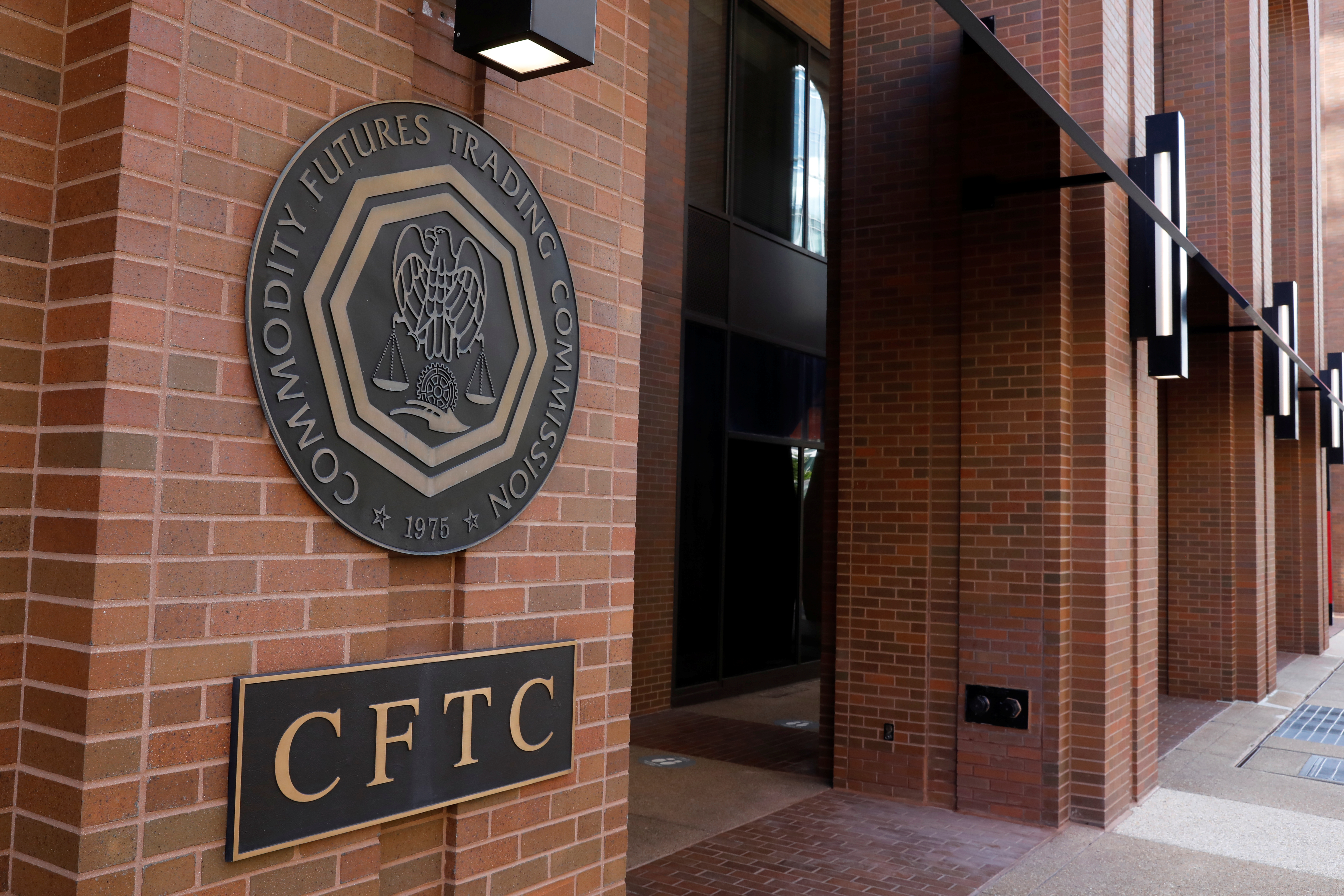
The Commodity Futures Trading Commission sued Minnesota on Tuesday to block the first explicit state ban on prediction markets, forcing a federal court to decide whether a state can criminalise event-contract trading that the derivatives regulator says Congress put under its authority. The complaint, filed by the CFTC, targets a law set to take effect on Aug. 1 and asks the court to halt enforcement, according to the agency and Reuters.
Minnesota moved first to wall off event contracts inside its borders. The CFTC says Congress gave it the exclusive lane to oversee those markets under federal commodities law. For exchanges, payment providers and clearing counterparties, the answer matters now: a state-by-state patchwork would change where contracts can trade and who can handle the cash around them, as The Block reported.
CFTC Chairman Michael S. Selig framed the suit as a defence of federally supervised markets in the agency’s announcement.
“This Minnesota law turns lawful operators and participants in prediction markets into felons overnight.”
— Michael S. Selig, CFTC
Selig said the state measure would interfere with lawful activity on CFTC-regulated venues. The filing asks the court to block enforcement before the Aug. 1 start date.
Under the Minnesota law, signed by Governor Tim Walz, lawmakers went after contracts tied to elections, sports and other real-world outcomes. Reuters and NPR described the measure as the first explicit state prohibition aimed at prediction markets. A spokesperson for Minnesota Attorney General Keith Ellison said the office is reviewing the complaint and will respond in court, Reuters reported.
The law reaches past traders. The Block reported that the statute could expose exchanges, payment providers and other commercial partners to criminal liability if they keep serving Minnesota residents after Aug. 1. That scope explains why the CFTC moved with a preemption suit rather than waiting for a policy fight in Washington.
Where the legal line sits
In its complaint, the CFTC argues that federal commodities law preempts Minnesota’s ban because event contracts listed on federally overseen venues sit inside the agency’s jurisdiction. Minnesota is advancing the opposite theory: the contracts themselves are unlawful inside the state. That collision matters beyond one market. It would tell platforms whether federal approval is enough to list and clear a contract, or whether state-level exposure remains.
Courts and regulators are already working through the same category elsewhere. NPR said more than 20 lawsuits tied to prediction markets have been filed or are in play across the US. The sheer volume shows how fast the products have expanded and how unsettled the line is between derivatives oversight and state gambling rules.
Commercial interest has kept rising as the legal map stays fragmented. Reuters reported that Kalshi recently fetched a $22 billion valuation in a funding round. NPR said about 85 per cent of its trading activity is tied to sports. Together those numbers clarify the federal response: if states can ring-fence event contracts, venue operators and the firms that move customer funds would have to recast national businesses around local restrictions.
The immediate question is narrow even if the stakes are large. The court will first decide whether Minnesota can enforce a ban while the CFTC says the same products belong under a federal regime. With the state law set for Aug. 1, the case will show how much room states have to challenge Washington’s oversight of event contracts—and how much certainty exchanges can count on when they list them.
Tomás Iglesias
Financial regulation and legal affairs. SEC, CFTC, FCA, market-structure and enforcement. Reports from Washington.