Fed payment-account plan opens limited clearing access
Fed payment-account proposal would let eligible nonbanks clear and settle on Fed rails without credit, interest or discount-window access.
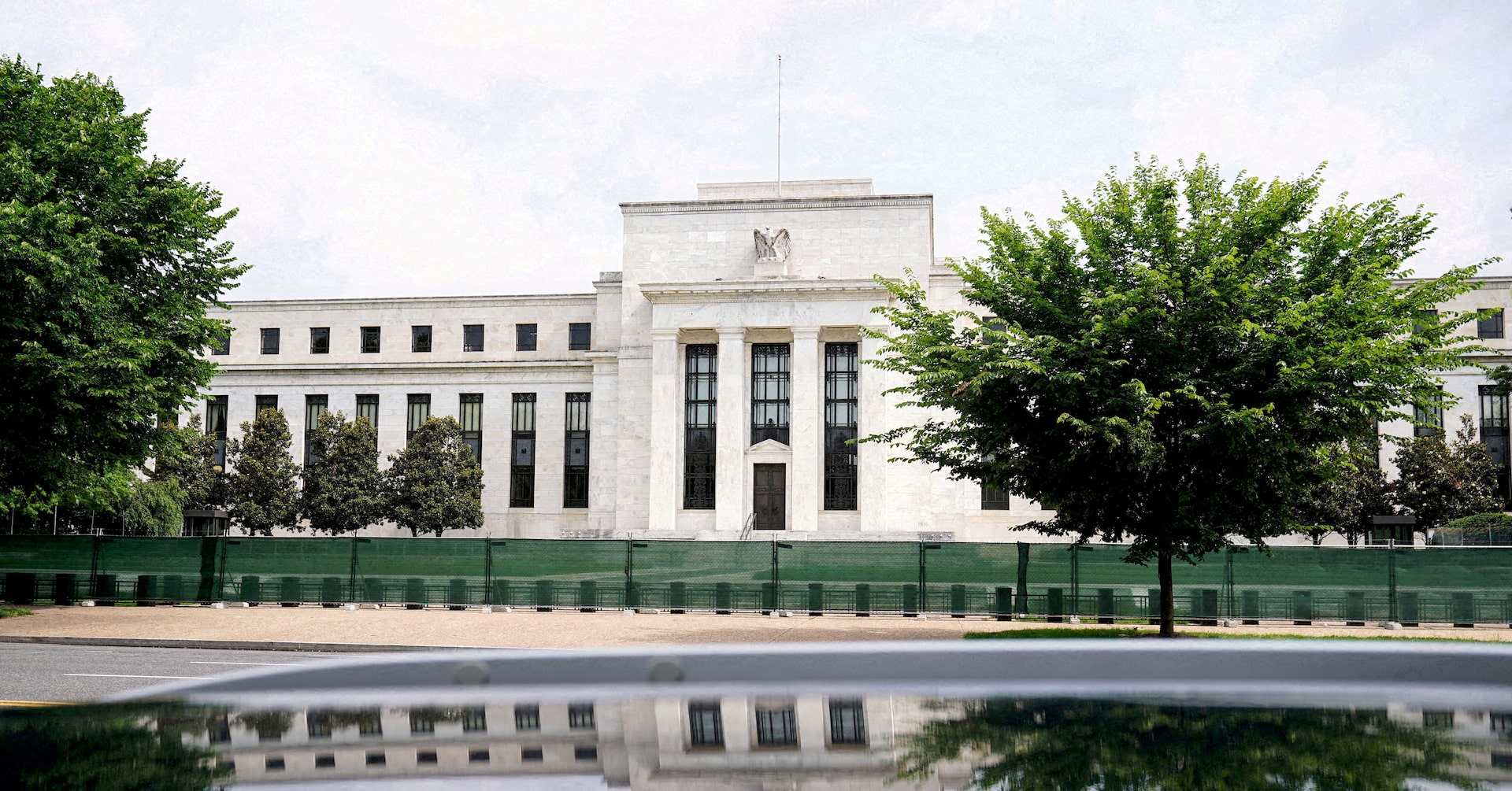
The Federal Reserve on Wednesday proposed a new payment account that would let certain eligible institutions clear and settle payments on Fed rails without granting full master-account privileges. For fintech and crypto-linked firms, the proposal opens a narrower route into the US payments system. It still withholds the funding and liquidity tools attached to a traditional Fed account.
Under the proposal, an eligible institution could use the account only for clearing and settlement. No intraday credit. No discount-window access. No interest on balances held at a Reserve Bank. Fed officials said that structure was meant to support innovation while limiting material risks. The outline closely tracks a December 2025 request for information, suggesting the Board had been working on a pared-back access model before the latest political push.
The political trigger
That political push is now part of a formal rulemaking. The Block reported that President Donald Trump’s executive order told the Fed to review access to Reserve Bank payment accounts and set a 120-day deadline. Days later, the Board released its plan and told Reserve Banks to pause decisions on applications from so-called Tier 3 institutions. Those applicants can include novel charter structures and crypto-linked firms, which is why the pause matters to the market.
Inside the Board, the split is already plain. Bloomberg reported that Governor Michael Barr opposed the plan, saying “the protections remain inadequate.” His objection goes to the central question hanging over the proposal: whether a tightly limited account can contain liquidity, operational and anti-money-laundering risks without turning into a back door to broader Fed access.
tailored to support innovation by serving the clearing and settlement needs of certain eligible institutions while also mitigating material risks
The Fed used that wording in its May 20 statement. The same statement said account holders would not have access to intraday credit or the discount window and would not earn interest on balances. For applicants, the message is clear: settlement access may widen, but the public backstops stay inside the banking system.
What banks still oppose
From the banking industry’s perspective, that distinction does not resolve the fight. In a Reuters report, industry critics said broader access still raises oversight and risk questions. The Bank Policy Institute argued that a so-called skinny master account could force the Fed to judge business models it does not directly supervise. Legal eligibility also remains unchanged, so the proposal alters the design of the account rather than the test for who gets one.
For fintech and crypto firms, though, the move is still a step forward. Bloomberg reported in March that Kraken won approval for a limited Fed payment account, giving the market a live example of the model now under wider review. A settlement-only account could reduce reliance on correspondent banks, shorten payment finality and lower some clearing frictions. It would also test whether the Fed can separate access to settlement plumbing from the full bundle of services that makes a master account politically contentious.
Next comes the comment fight. The Fed has opened the proposal for public comment, and the pause on Tier 3 decisions means banks, applicants and trade groups will now contest the operational details on the record. If the Board keeps the proposal largely intact, it may create a controlled opening to Fed clearing rails without conceding the full privileges tied to a master account. If not, the dispute over direct entry to the US payments system is likely to move back to Congress, the White House and the courts.
Tomás Iglesias
Financial regulation and legal affairs. SEC, CFTC, FCA, market-structure and enforcement. Reports from Washington.