SEC tokenized-stock plan redraws lines for brokers, exchanges and crypto venues
A proposed SEC framework for tokenized stocks would decide whether on-chain equities stay a back-office tool or become a new battleground between dealers, exchanges and crypto venues.
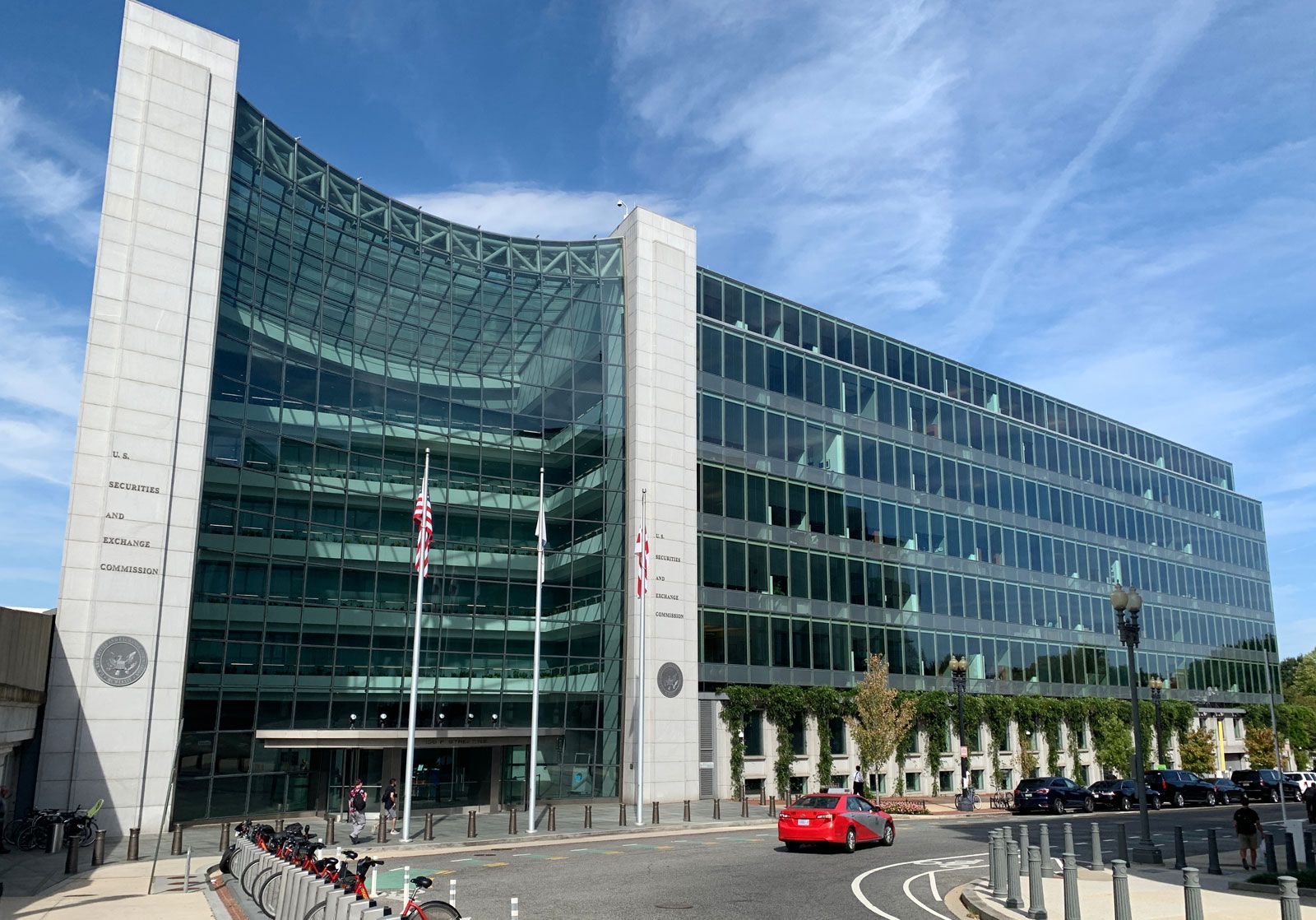
The U.S. Securities and Exchange Commission is preparing a framework for trading tokenized versions of stocks, Bloomberg reported, pulling on-chain equities toward the centre of the regulated market and forcing a decision on plumbing that crypto firms, exchanges and dealers have circled for months. Once a share is wrapped in a token and traded on blockchain rails, the division of labour between broker-dealers, trading venues and settlement utilities starts to compress.
Two markers are already down. A Jan. 28 staff statement from SEC officials said tokenized versions of securities remain securities and that the change in format leaves the core legal duties in place. The commission then signed off in March’s approval order for Nasdaq on a three-year DTC tokenization pilot, release No. 34-105047, giving the market a narrow path for testing blockchain-based settlement without tearing up the existing equity stack. An innovation exemption would go further, spelling out how much flexibility the commission is willing to grant when trading, custody and settlement sit closer together than they do in the current model.
Tokenization’s institutional case has moved well past the retail pitch. The early crypto argument was 24-hour trading and novel wrappers. Wall Street’s current bet is tighter settlement, cleaner ownership records and less friction across post-trade operations. SEC chair Mark T. Uyeda captured the logic in February remarks when he said, “Tokenization can help modernize capital markets, not only by speeding up the settlement cycle but by making ownership more visible.” Faster rails promise those efficiencies. Keeping the regulatory burden separate gets harder at every step.
Broker-dealers handle customers and orders. Exchanges and alternative trading systems run the venue. Clearing and depository utilities sit further down the chain. Tokenized equities squeeze those layers together, especially if a platform wants continuous ledger updates, integrated custody and direct interaction with blockchain infrastructure. The SEC staff statement already said the technology does not erase securities obligations. Which entity keeps surveillance duties, who owns settlement finality, and how much relief a tokenized-stock venue gets from rules written for conventional exchanges will decide whether the product stays a back-office upgrade or becomes a new distribution channel.
Citadel Securities, writing to the SEC’s crypto task force in April, warned that tokenized U.S. equities and DeFi-style trading protocols could fragment liquidity and blur the controls around customer identification, market oversight and investor protection. SIFMA, in a March response, also pushed the commission toward familiar supervision, arguing that tokenized equity activity should still fit within the alternative trading system and broker-dealer framework. Tokenized shares stay inside securities law under either reading. How much of the existing rulebook bends before price discovery and compliance break is the live question.
What the Nasdaq order suggests
The Nasdaq approval order offers the clearest clue to the commission’s instincts. That March order kept the experiment attached to DTC and limited it to a three-year pilot, a design that preserves a single recognised settlement utility while letting blockchain components handle part of the record-keeping and transfer workflow. It is a cautious architecture: the SEC appears more comfortable importing tokenization into the incumbent market structure than exporting core equity trading onto looser crypto rails. An innovation exemption, if it arrives in the form described by Bloomberg, would test how far that caution stretches once firms ask for broader operational relief.
For Wall Street incumbents, the commercial upside is obvious. A tokenized-share framework can lower settlement frictions, tighten collateral movements and create cleaner audit trails, all without asking investors to abandon familiar securities protections. Crypto-native venues see a different upside. Regulatory clarity could open a path to list tokenized U.S. equities in a format that fits blockchain-based custody and around-the-clock distribution. Dealers and exchange operators want on-chain efficiency without losing the safeguards and status hierarchy of the present system. Crypto platforms want a rule set that recognises blockchain-native operations before the incumbents absorb the category.
How much room each camp gets turns on the SEC’s choice. A narrow exemption would favour firms that can plug tokenization into existing broker-dealer, ATS and depository infrastructure. A broader exemption would give crypto venues more scope to combine trading, custody and settlement functions inside one product experience, provided the commission is satisfied with surveillance and compliance controls. The group that maps old obligations onto new rails fastest wins either way. At stake is which institutions own the interface between securities law and software.
From policy to plumbing
January’s staff guidance and March’s Nasdaq approval already moved the commission from case-by-case ambiguity toward a more articulated tokenized-securities posture. A formal framework would turn that posture into an operating question for exchanges, market makers and crypto venues deciding where to invest. It would also signal whether the SEC sees tokenization mainly as settlement technology inside the present market, or as a broader venue question that deserves bespoke relief. Capital allocation will shift with the answer.
Wall Street firms have pressed deeper into on-chain securities even while the regulatory language remains unfinished. Control of a future distribution and settlement layer for regulated financial assets is the prize — not a crypto wrapper around Apple or Nvidia shares, but the rails underneath. SEC staff made clear in January that the legal character of the asset stays put. How much of the market structure around it moves is what the framework now under discussion would decide.
Keep the exemption narrow and tokenized stocks may develop first as institutional plumbing, useful and dull, with the exchange and depository order largely intact. Open a wider lane and crypto venues gain a shot at becoming real distribution points for U.S. equities under a securities-law wrapper. Either outcome pushes the debate out of the marketing deck and into rule text, licensing categories and supervision. The SEC is about to decide where that line gets drawn.
Tomás Iglesias
Financial regulation and legal affairs. SEC, CFTC, FCA, market-structure and enforcement. Reports from Washington.