Equity fund flows show AI rally still has believers
Weekly flow data suggests investors are still committing fresh money to AI-linked equities even as inflation worries lift yields and narrow the market's leadership.
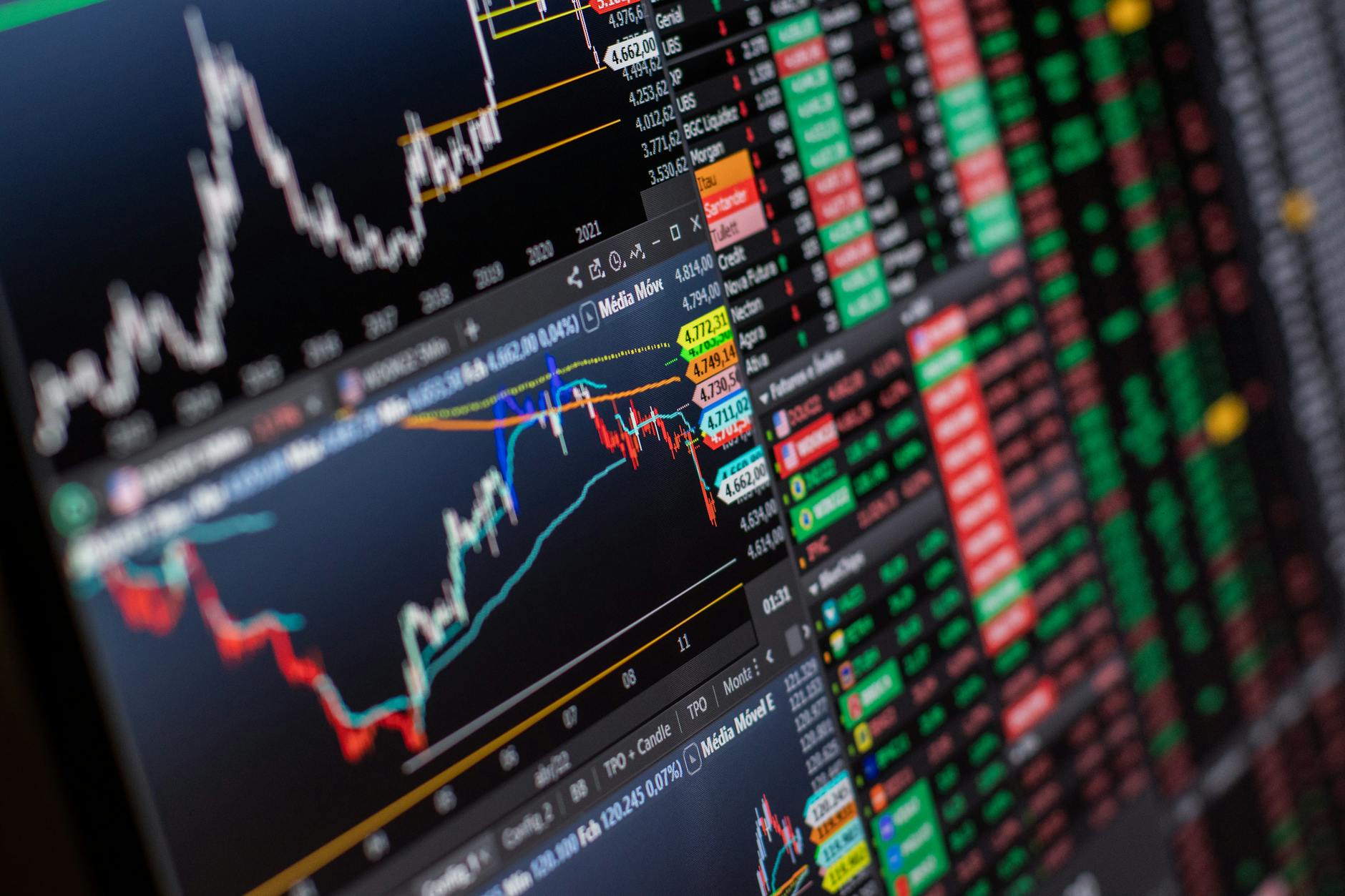
Global equity funds kept taking in money even as stocks wobbled. Funds drew $39.15bn in the week through May 13, an eighth straight weekly inflow, according to LSEG Lipper data compiled by Reuters. That streak says more about conviction than any single noisy close in index futures. Allocators were still prepared to put cash to work after weeks of AI-led gains — they were not just chasing a headline. The same stretch ended with Wall Street lower on mounting inflation worries as yields climbed. And yet new money still arrived.
Does that make the AI trade momentum or durable positioning? Price action alone cannot settle the question. A single session can be distorted by options expiry, an inflation scare or a squeeze in the biggest names. Fund subscriptions are slower. They capture where institutions, wealth managers and retail allocators are willing to keep adding exposure after the rush has passed. Eight straight weeks says buyers are still acting on allocation decisions, not on intraday enthusiasm.
The breakdown of where the money went fills in the picture. Technology funds absorbed a record $10.65bn, while global bond funds took in $25.76bn and emerging-market equity funds lost $3.18bn, the Reuters data showed. A Reuters mirror with the fuller regional breakdown drove the point further: money kept moving into developed-market equities even as investors pulled back from emerging markets. This is not a broad all-clear signal. It is a selective risk trade.
Look past the headline numbers and the conviction story sharpens. When money keeps arriving even as inflation worries unsettle the tape, the market is betting that AI-linked growth looks tangible enough to own through the noise. Large technology groups remain the closest thing equity investors have to visible top-line momentum, strong margins and spending pipelines tied to something concrete — chips, cloud infrastructure, enterprise software. The latest flow figures fit that mould. Investors still want the part of the market with the clearest earnings narrative, and right now that is big tech.
None of this makes the rally safe. Cambridge Associates, in a note asking whether AI-driven concentration has made markets less risky, posed the right question for this stage of the cycle. Concentration can be rational when leadership is backed by cash flow, margins and real demand. It can also leave an index exposed when too much of the inflow is chasing too few names. The record weekly take for technology funds suggests both things may be true at once. The AI winners are still attracting real money. They are also becoming an even larger share of where conviction lives.
Why the flow mix matters
The $25.76bn that went into global bond funds tells its own story. Had investors been behaving as though the inflation problem was settled, money might have left fixed income more decisively. Instead, bond buying continued alongside equity buying. That looks less like euphoric risk appetite and more like a barbell — keep exposure to the AI-led upside, but hold duration or income as protection if growth cools or policy stays tighter for longer.
Meanwhile, the $3.18bn outflow from emerging-market equity funds sharpens the same conclusion. This was not a global vote of confidence on cyclicals, commodities or weaker-dollar trades. It was a narrower bet centred on developed markets, especially the US technology leadership that has set the pace for the AI theme. Narrow rallies can keep running longer than skeptics expect. They do not need universal participation. But they are harder to stabilise when the leadership falters, because fewer parts of the market are ready to take the baton.
From here, durability depends on whether fresh money keeps doing the same work. As long as equity funds keep taking in cash and a large share of it keeps landing in tech, the AI trade can absorb periodic macro scares. Fresh subscriptions create natural demand on pullbacks. They also feed the career-risk logic that has sustained much of the run: underweight managers do not just fear losing money, they fear missing the one part of the market still delivering visible growth. Once flows flatten, the same concentration works in reverse. Crowding stops feeling efficient and starts feeling expensive.
What could break it
Macro remains the cleanest threat. Reuters reported that inflation worries pushed Wall Street lower as yields moved higher — a reminder that the market’s preferred growth trade is still tethered to the rate outlook. Higher long-term yields reduce the present value investors are willing to pay for future cash flows. That pressure does not hit every company evenly. It hits long-duration growth stories first, even when the operating narrative remains intact.
Next week’s flow print may say more about the AI rally than another one-day move in the Nasdaq or S&P 500. If equity inflows keep coming and technology funds continue to lead while yields stay elevated, investors are treating AI as a structural earnings theme rather than a short squeeze with good marketing. If inflows start to thin, or if bond buying keeps rising while equity demand narrows further, the signal changes. Then the AI trade is no longer broadening on conviction. It is surviving on habit.
The tape can look fragile even while the allocation data stays constructive. One describes mood. The other describes money. This week’s numbers still favour the money view. Investors have not stepped away from equities. They have simply made the rally more selective, more dependent on technology and less forgiving of anything outside the leadership cohort.
The AI rally sits in a stronger position than a shaky close might imply, but not a broader one. The eighth straight inflow says buyers are still showing up. The record $10.65bn into tech says they know exactly where they want to be. Durable, for now. Diversified, not yet.
Sloane Carrington
Markets columnist. Analytical pieces and deep-dives on monetary policy, capital flows and corporate strategy. Reports from New York.