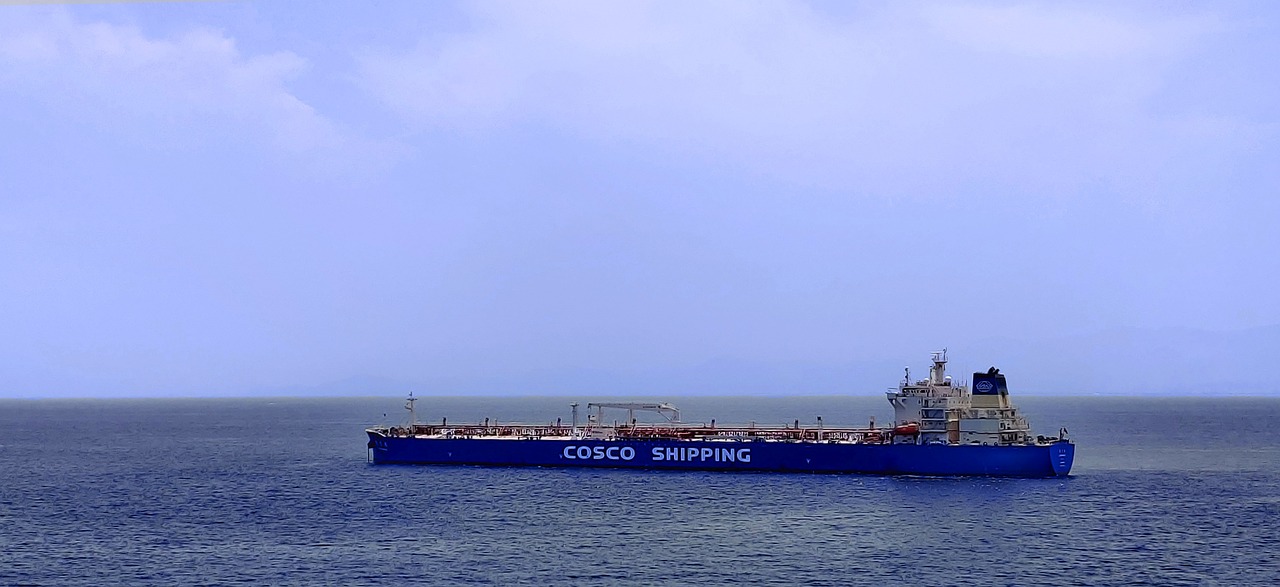
Russian oil waiver expiry adds fresh supply risk to crude
Warren and Shaheen want Treasury to let a Russian oil sanctions waiver expire, setting up a test of how far Washington will push enforcement when crude supply and inflation risk remain sensitive.

Senators Elizabeth Warren and Jeanne Shaheen urged the Trump administration on Friday to let General License 134B expire at midnight, making what could have been a routine sanctions rollover into a live crude-market question. In a statement from the Senate Foreign Relations Committee, the lawmakers argued that the waiver keeps Russian oil moving to buyers that would otherwise face US restrictions, at a moment when oil traders are already sensitive to supply shocks and the inflation risk they carry. The Hill first reported the appeal.
The senators wrote that “Tonight, when the current license for Russian oil expires, it should not be renewed,” casting another extension as sanctions relief rather than narrow technical housekeeping. Their intervention carries weight because Treasury renewed the waiver for only 30 days in April. According to OFAC’s April 17 notice, the license covers Russian crude and petroleum products loaded on vessels through May 16, covering transactions that would otherwise risk violating US sanctions rules.
Treasury has defended the carve-out as a market-stability tool. A Treasury spokesperson told Reuters that, as negotiations with Iran accelerate, officials want to ensure oil is available to countries that need it. The waiver sits at the intersection of foreign policy and commodity management: Washington can tighten enforcement on Moscow, but doing so abruptly risks pulling barrels from a market where supply headlines still feed quickly into inflation expectations.
Reuters reported that Kirill Dmitriev, head of Russia’s sovereign wealth fund, said an extension affects an additional 100 million barrels of Russian oil, and that the combined volume touched by the Russian and Iranian waivers is about 200 million barrels. The figures come from a Russian official, not from Treasury, but they illustrate why the decision matters to markets, not just to foreign-policy messaging. For crude traders, the question is whether buyers, shippers and insurers start pricing in harder sanctions enforcement if the waiver is allowed to lapse.
Why traders care
The market sensitivity turns on timing. Oil has spent much of 2026 trading with a sanctions premium embedded in prices as dealers gauge disruptions tied to Iran, Russia and shipping.
Against that backdrop, even a narrow US licensing change can shift the compliance risk for cargoes already on the water and those still seeking buyers. The Reuters account of Treasury’s position suggests officials are trying to avoid a sudden squeeze while Iran talks remain fluid, even as lawmakers press for a stricter line on Russian exports.
Warren and Shaheen are also trying to change the policy signal. A renewal would tell the market Washington still prioritises supply continuity over a sharper sanctions clampdown on Moscow. Expiry, by contrast, would raise uncertainty for every counterparty that touches Russian crude — pushing up freight costs, insurance costs and general risk premia before any physical shortage shows up in benchmark prices. The immediate effect would not be an instant supply gap; the damage would arrive through the compliance-risk channel first.
The administration has room to argue either way. The Senate letter frames renewal as sanctions relief that weakens pressure on Moscow. Treasury’s public explanation frames the waiver as a temporary buffer for countries managing oil access during a volatile geopolitical period. RFE/RL described the earlier renewal as both quiet and confusing, a sign that the waiver has become a policy tool watched not just by diplomats but by refiners, trading houses and commodity desks trying to judge how much supply flexibility Washington is still willing to tolerate.
The fight is a test of how far the administration is prepared to use oil sanctions when inflation risk remains part of the policy backdrop. A non-renewal would signal a tougher stance on Russian barrels and invite markets to reprice supply risk. Treasury could also extend the waiver, pointing the other way — orderly crude flows still treated as a stabiliser worth preserving even while the formal sanctions architecture stays in place.
Global oil prices will not swing on one waiver decision alone. The signal matters more than the barrels: Washington is showing the market how it balances sanctions enforcement against commodity stability. In a market where policy signals can matter nearly as much as physical barrels at the margin, the expiry of General License 134B has become a closely watched test of US crude-policy signalling.
Reza Najjar
Commodities desk covering oil, natural gas, gold and base metals. Reports from London.