Bitcoin Depot warning exposes the squeeze on crypto ATMs
Bitcoin Depot's going-concern warning shows how falling kiosk revenue, legal costs and tighter state scrutiny are squeezing crypto's retail on-ramps.
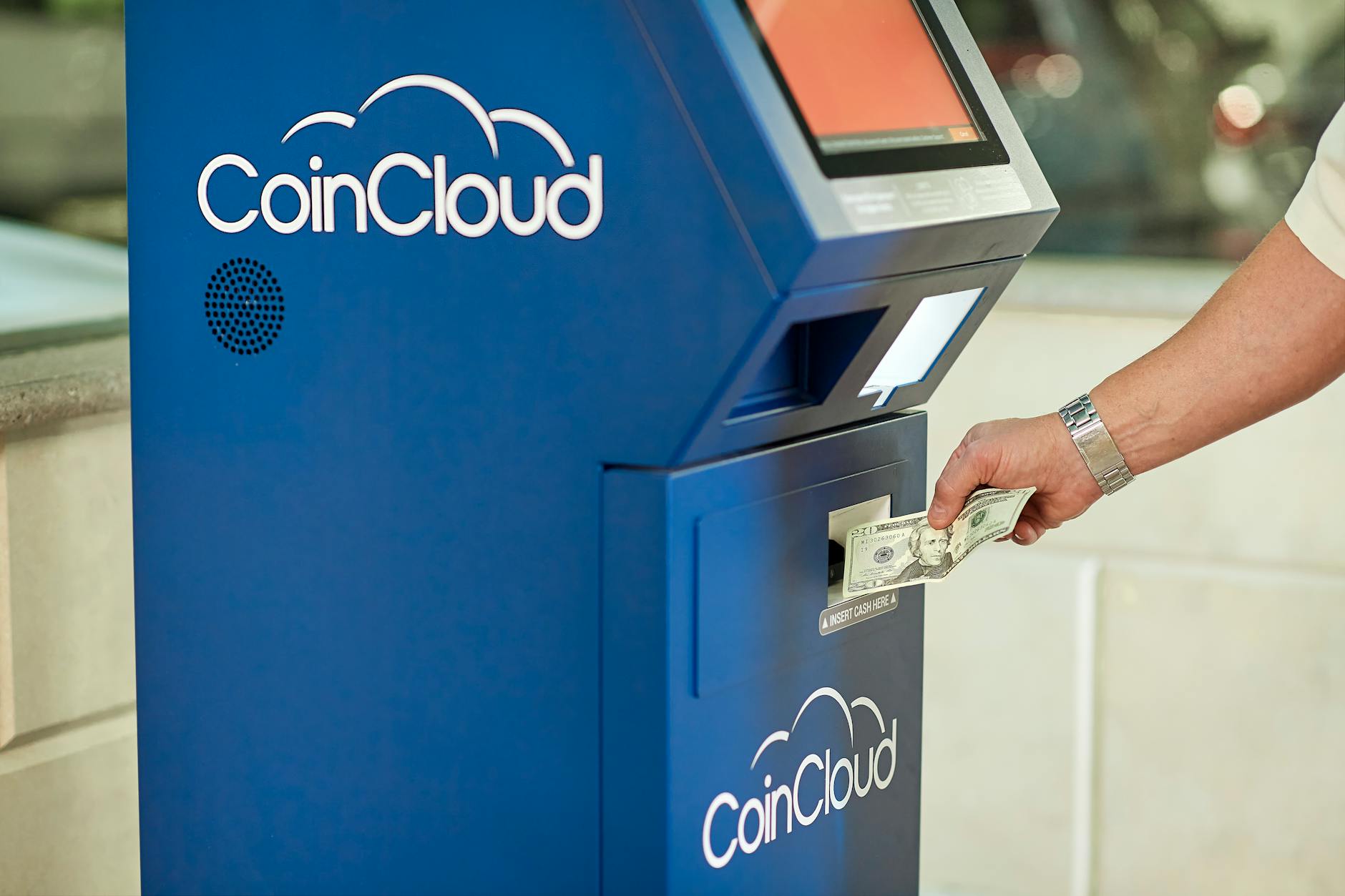
Bitcoin Depot alerted investors this week that there is substantial doubt about its ability to continue as a going concern, turning one of crypto’s most visible retail on-ramps into a sharper test of what happens when transaction volume falls at the same moment compliance pressure rises. In an SEC filing the company reported first-quarter revenue down 49.2 per cent from a year earlier to $80.7 million. The decline matters beyond one listed operator. It lands on the entire cash-to-crypto kiosk model that introduced many retail users to the asset class in the first place.
That is the signal worth reading. The warning is not a verdict on bitcoin demand in the abstract, and it is not really a price story. It is a verdict on a narrow piece of the market’s consumer plumbing: physical machines that depend on convenience fees, high footfall and a regulatory environment loose enough to let small transactions stay profitable. Weaken those conditions together and the business can look fragile fast.
The speed of the turn is striking. Bitcoin Depot’s full-year 2025 results carried chief executive Scott Buchanan declaring that “2025 was a strong year for Bitcoin Depot, with growth across the majority of our key operating and financial metrics.” By May the company’s public posture had flipped from expansion to survival. The pivot exposes something structural: the ATM model carries less margin for error than larger exchanges, brokers or ETF issuers, because the kiosk operator absorbs slower transaction flow and the fixed cost of running a physical network at the same time.
The filing points to more than a weak quarter. Bitcoin Depot said its 2026 outlook implies a 30 per cent to 40 per cent drop in core-business revenue. Management is not bracing for a blip. The warning landed alongside more than $20 million of legal judgments accrued in the fourth quarter of 2025. Read together, the numbers sketch a company hit from two directions: lower activity on the front end and heavier legal and compliance drag on the back. Reuters, citing the filing, highlighted the same going-concern language, which is rare enough in public-company disclosures to matter on its own.
The kiosk model tightens
State scrutiny helps explain why a revenue decline bites so hard. In a statement about a lawsuit against a bitcoin kiosk operator, Massachusetts attorney general Andrea Joy Campbell said that “Massachusetts consumers deserve to feel safe when they handle their hard-earned money, no matter the technology involved.” The line is broader than one case. It captures where the sector is heading: crypto ATMs are being judged less as growth gadgets and more as consumer-finance infrastructure, inheriting the standards, refund expectations and political attention that come with that label.
That shift lands directly on economics. A kiosk network can charge for immediacy and cash access when it is selling convenience, but pricing power weakens once fee caps, transaction limits, enhanced disclosures and scam-prevention expectations enter the frame. The operator has to do two difficult things at once: persuade a marginal retail user to keep paying for the machine, and persuade regulators that the machine is not an easy channel for fraud. Decrypt’s account of the warning framed the problem as falling revenue plus tighter scrutiny. The filing shows why that combination is so dangerous: it compresses volume and raises the cost of every dollar of volume that remains.
Broader crypto adoption does not automatically solve that problem. Over the past two years, the industry’s most visible growth stories have skewed toward products that sit well with bank accounts, brokerages and institutional wrappers. Feeding cash into a machine in a convenience store is a different customer journey entirely. If adoption migrates toward ETF allocations, exchange apps and more tightly supervised retail channels, the ATM network loses some of the scarcity that once justified its fees. A maturing market can be bad news for one of its earliest access points.
Bitcoin Depot’s warning looks bigger than a single distressed issuer. It suggests the retail edge of crypto may be breaking first in the places where compliance is physical, local and expensive. Kiosk operators face national policy fights in Washington, but they also face state attorneys-general, local consumer-protection rules and the practical burden of monitoring thousands of small transactions that can later become complaint files. Scale, in that context, is not only about adding machines. It is about whether the revenue from those machines can still outrun legal friction.
What it says about retail crypto
Investors will probably read the episode as a reminder that not all crypto infrastructure sits equally close to the current money flow. Bitcoin Depot is tied to a segment that depends on walk-up retail behaviour, cash usage and a willingness to pay for immediacy — precisely the habits that can fade as the market professionalises. The company does not need a collapse in token prices to feel pressure; a steady drift in how users access crypto will do it, especially when the legal environment makes each kiosk less lucrative than it was during the industry’s looser growth phase.
The near-term question is whether Bitcoin Depot can stabilise revenue before the warning becomes self-fulfilling. Going-concern language can narrow strategic options, unsettle counterparties and harden the market’s view of any company that already looks exposed. What matters beyond this one issuer is that crypto’s consumer on-ramp story is no longer just about how many people want exposure. It is about which rails they use, what regulators will tolerate on those rails, and whether older retail access models can survive once compliance stops being a footnote and starts becoming the business.
Caleb Mwangi
Crypto correspondent covering bitcoin, ether, altcoins and on-chain markets. Reports from Singapore.