Bitcoin Depot Chapter 11 shows pressure on crypto ATMs
Bitcoin Depot Chapter 11 filing shows how state rules, anti-fraud costs and weaker retail demand squeezed one of crypto's biggest ATM networks.
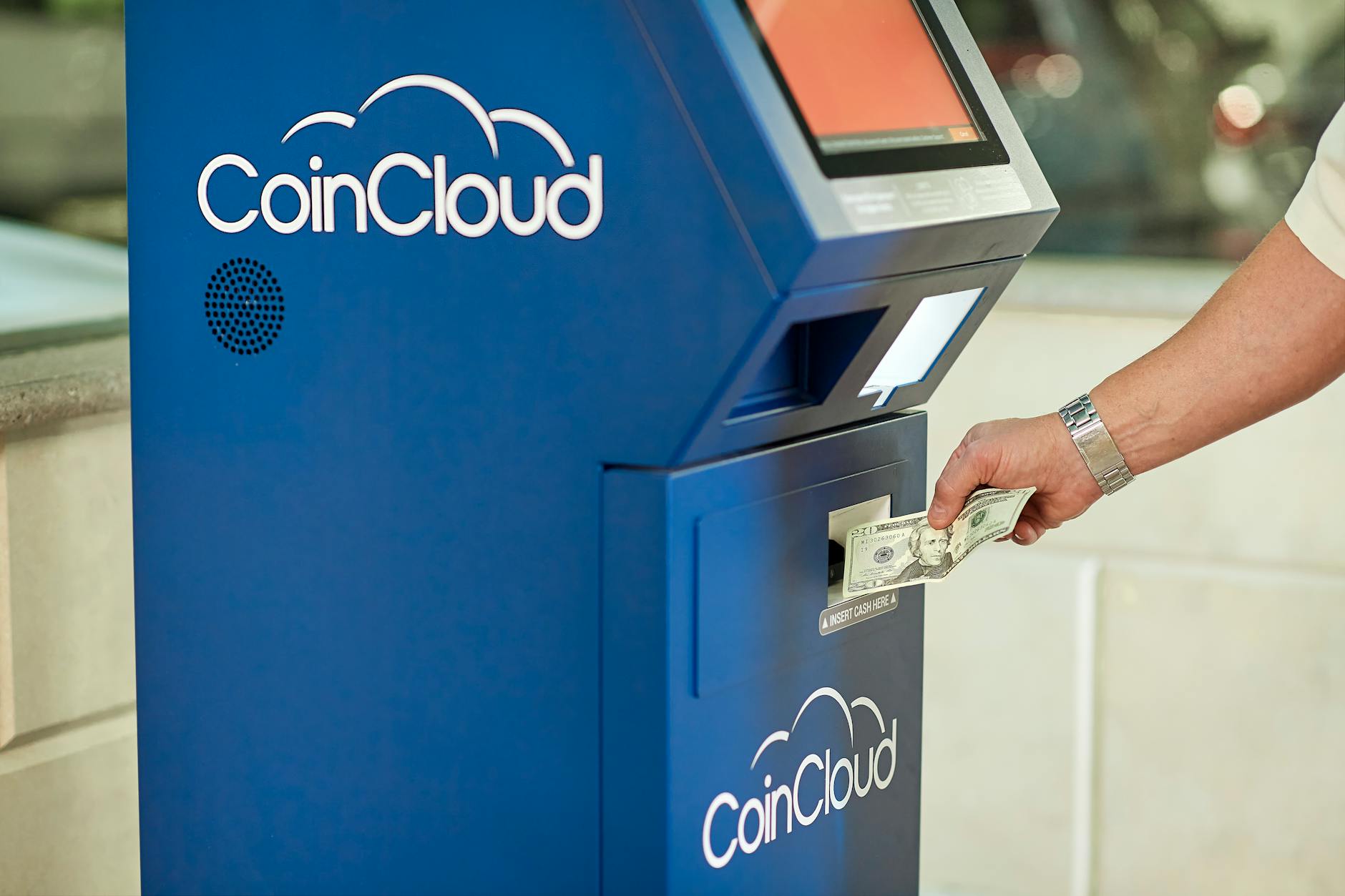
Bitcoin Depot filed for Chapter 11 bankruptcy on May 18 and said it would pursue an orderly wind-down and sale of assets. The filing takes offline a network the company last said spanned more than 9,000 crypto kiosks across 47 states. In its 8-K filing and companion wind-down statement, the North American operator said tighter state rules, anti-fraud controls and falling transaction volumes had made the business unsustainable.
The filing does more than mark the end of one company. It shows how a cash-to-crypto distribution model that once expanded fast can buckle when compliance costs climb at the same time retail demand weakens. Decrypt’s report said the company posted a 49.2 per cent year-over-year revenue drop in the first quarter and a $9.5 million net loss.
The shutdown’s breadth is hard to ignore. Kiosks had operated across 47 states, giving Bitcoin Depot one of the widest physical footprints in US crypto retail. A network that large should have helped spread fixed costs. Instead, the filing and the company’s statement suggest regulation and weaker usage were moving faster than scale could offset.
Chief executive Alex Holmes framed the pressure as regulatory as much as financial. In the company’s GlobeNewswire release, he said state rules had become a central obstacle to operating crypto kiosks at scale.
“states have imposed increasingly stringent compliance obligations, including new transaction limits, and in some jurisdictions, outright restrictions or bans on BTM operations”
— Alex Holmes, Bitcoin Depot
That financial slide left little room to absorb those costs. Bitcoin Depot’s stock had fallen 79.48 per cent over the prior six months, Decrypt reported, while first-quarter revenue almost halved. At its peak, the footprint made it one of the most visible retail on-ramps in US crypto. The SEC filing still describes an estate built around a nationwide kiosk network rather than a niche operator.
Why the model cracked
Crypto ATMs sit at a vulnerable intersection: they handle cash, court convenience and attract fraud. That keeps them politically exposed even when federal rhetoric toward digital assets is warming. Bitcoin Depot’s own explanation tied the bankruptcy to new transaction limits, higher compliance burdens and restrictions in some jurisdictions. In its Chapter 11 announcement, the company said it would seek a court-supervised sale of assets rather than keep the network running through mounting losses.
Roshan Dharia, chief executive of Echo Base and a restructuring adviser on the case, cast the filing as a preview of what awaits the sector. In comments to Decrypt, he argued the same cost structure will weigh on rival kiosk businesses.
“preview of what the broader crypto ATM industry will face in the United States over the next several years”
— Roshan Dharia, restructuring adviser, via Decrypt
For investors and policymakers, the case raises a sharper question than the usual bitcoin-price debate: can a heavily supervised cash access point still work as a retail crypto business once fraud controls tighten and transaction caps start to squeeze volume? Bitcoin Depot’s filing says no — at least, scale alone did not solve the economics.
What comes next is an asset sale. Whether other operators can keep their machines profitable under the same state-by-state pressure is the test. The Chapter 11 process is designed to carry out an orderly wind-down, but one of crypto’s oldest physical distribution models is now being forced to prove it can survive regulation written for consumer protection rather than growth.
Tomás Iglesias
Financial regulation and legal affairs. SEC, CFTC, FCA, market-structure and enforcement. Reports from Washington.