Senate panel advances CLARITY Act in bipartisan crypto vote
The Senate Banking Committee voted 15-9 to advance the CLARITY Act, sending a long-debated crypto market-structure bill to the floor and sharpening the fight over how the SEC and CFTC would divide oversight.
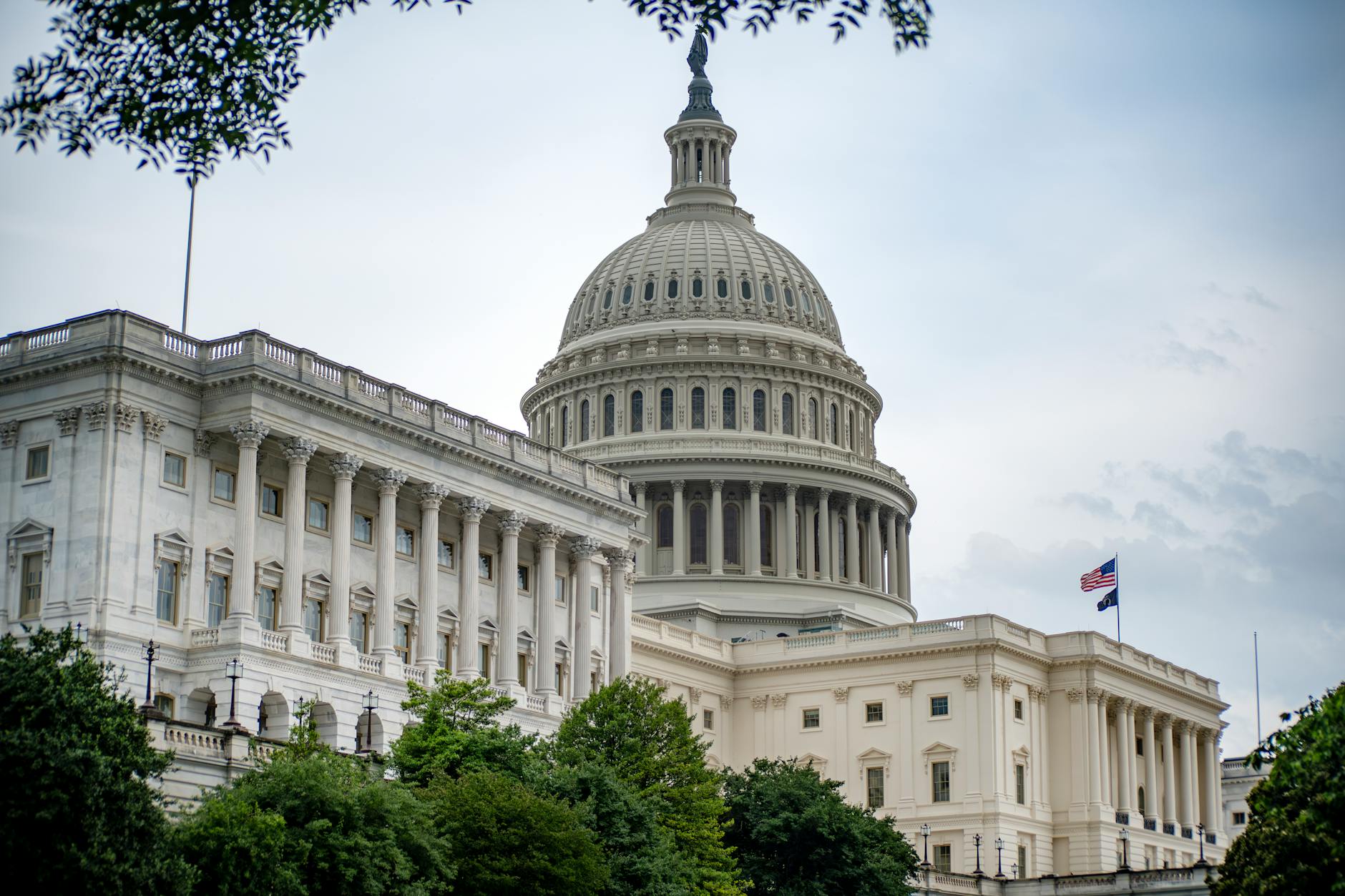
The Senate Banking Committee voted 15-9 on Thursday to advance the CLARITY Act, pushing a crypto market-structure measure toward the Senate floor and handing digital-asset firms something they have not had in two Congresses: a realistic shot at legislation that draws a statutory line between securities and commodities oversight.
That line is the story. The bill is less a one-day industry win than a test of whether lawmakers can turn a long-running SEC-CFTC jurisdiction fight into actual statute. For exchanges, token issuers and listed crypto proxies the difference is operational: a workable split would begin to define which products face securities rules, which market activity falls under commodities supervision, and which agency writes the first operating rules. The committee vote does not settle that map. It moves the argument from talking points to a floor fight.
Chairman Tim Scott, the South Carolina Republican who leads the panel, framed the outcome as evidence that crypto legislation can draw support beyond the party line. “Today, the Banking Committee showed the American people that Washington can still work together,” Scott said after the vote. Two Democrats — Arizona’s Ruben Gallego and Maryland’s Angela Alsobrooks — joined Republicans to advance the measure, Reuters reported, giving the bill cross-aisle backing on a committee where digital-asset legislation has often split along familiar ideological lines.
The CLARITY bill’s core pitch is straightforward: replace case-by-case uncertainty with something closer to an explicit jurisdiction split. Supporters argue the current setup leaves token developers, trading venues and investors guessing when the SEC will treat an asset as a security and when the CFTC should take the lead. If Congress writes a cleaner boundary into law, the first beneficiaries would probably be firms that have spent the past two years navigating overlapping disclosure, listing and registration questions.
Opponents used the same hearing to warn that speed carries its own risks. Senator Elizabeth Warren, the committee’s ranking Democrat, argued the Senate should not use market-structure legislation to weaken investor safeguards or open new paths for illicit finance. “Our job is not to advance a pro-industry crypto bill that will put American consumers, American investors and our national security and our financial system at risk,” Warren said, according to Reuters. The objection has weight because floor consideration would test whether the current bipartisan coalition holds once debate moves from committee language to amendments and final-passage politics.
Why the vote matters
The vote lands at a more concrete stage in the policy cycle than many of crypto’s earlier Washington moments. Congress.gov lists the measure as part of a broader legislative track, not a messaging bill parked at the committee level, and the House companion legislation remains in play. Final enactment is not close. But the discussion is shifting from whether Congress should tackle a jurisdiction split at all toward what kind of split it is willing to defend in public — and under which regulator crypto spot markets, token issuance standards and exchange obligations would operate.
The politics behind the wider coalition are not subtle. Reuters reported that the crypto industry spent at least $119 million backing pro-crypto candidates in the 2024 election cycle, a level that gave digital-asset policy more weight in Senate calculations than it carried in earlier Congresses. That money did not settle the policy fight. It changed who cared about the outcome. The committee vote suggests a critical mass of lawmakers now sees the status quo as hard to defend. Enforcement actions have carried more practical force than legislation for years. The balance may be tilting, cautiously, toward rule-writing.
On the institutional side, the implications are as important as the rhetoric. A CLARITY-style framework would force Congress to say more precisely how the SEC’s investor-protection mandate should coexist with the CFTC’s market-oversight role in digital assets. That is what gives the bill weight beyond the crypto lobby. A clearer allocation of authority would affect how brokers, custodians, exchanges and public-market investors price regulatory risk around the sector.
Next comes the Senate floor. If leadership schedules the measure, the question shifts from whether the CLARITY Act can clear a committee room to whether Congress is prepared to codify a crypto market structure that has mostly been shaped by agency lawsuits, speeches and settlements.
Tomás Iglesias
Financial regulation and legal affairs. SEC, CFTC, FCA, market-structure and enforcement. Reports from Washington.