Crypto market structure bill clears Senate Banking panel
The Senate Banking Committee voted 15-9 to advance the Digital Asset Market Clarity Act, pushing US crypto market-structure rules closer to a full Senate debate.
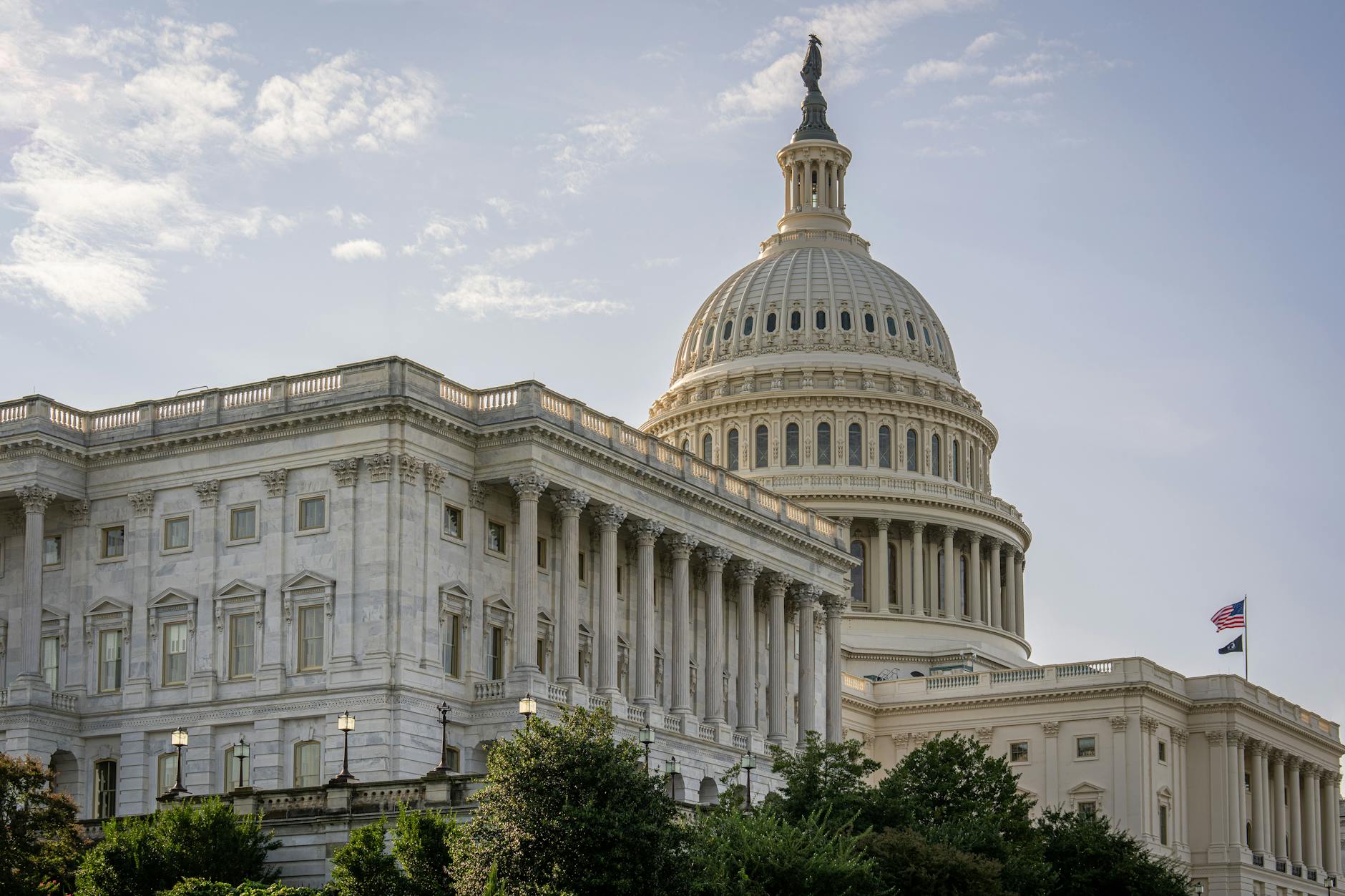
The Senate Banking Committee voted 15-9 last week to advance the Digital Asset Market Clarity Act, sending the crypto market-structure bill to the full Senate. Reuters said Arizona Democrat Ruben Gallego and Maryland Democrat Angela Alsobrooks joined Republicans in backing the measure, a step that moves Washington closer to a federal rulebook for digital assets.
The vote moves the debate beyond speeches and enforcement fights to the details of market oversight. Legal analyses from Davis Wright Tremaine and Cahill said the bill is meant to set a framework for how digital-asset businesses operate in the US, with direct implications for exchanges, tokenized-asset projects and other firms that have waited years for clearer lines from Washington.
Tim Scott, the committee’s Republican chair, cast the bill as a rules-of-the-road measure rather than a partisan project. In remarks cited by Reuters and a later committee media release, Scott said the legislation should not force a choice between traditional finance and new technology.
“This legislation does not take sides between traditional finance and new technology, or Republicans and Democrats.”
— Tim Scott, quoted by Reuters
The bipartisan votes gave the markup more weight than past crypto hearings. Reuters said crypto companies and affiliated groups spent more than $119 million backing pro-crypto candidates in the 2024 election cycle. Gallego and Alsobrooks joining the bill does not guarantee passage on the Senate floor, but it suggests digital-asset legislation now reaches beyond the Republican caucus that drove earlier efforts.
Scott and other supporters also framed the bill as a competitiveness issue. In the committee’s account of Scott’s Fox Business appearance, he said the measure would put the US back “in the driving seat” on crypto. The legal summaries point instead to a practical issue for markets: where oversight lines would sit, how trading rules would work and how digital-asset firms would fit into federal law.
What the committee advanced
The immediate step is procedural, but lawmakers and firms will focus on substance. ABA Banking Journal said the committee advanced the Clarity Act, while Davis Wright Tremaine said the measure would move Congress closer to a federal market-structure regime instead of leaving the sector to case-by-case pressure. Cahill said the bill could reshape how crypto trading, issuance and market conduct are supervised in the US.
For companies building exchanges, brokerage tools or tokenized financial products, the next question is how detailed the final statute becomes once lawmakers negotiate jurisdiction and compliance duties. That is why the vote matters beyond day-to-day token moves. It goes to how digital assets could be listed, traded and packaged inside more familiar financial channels.
Banks, brokers and payment groups are likely to track the Senate process even if they are not crypto specialists. The legal summaries and trade coverage suggest a market-structure bill gives compliance teams more concrete questions to plan around than speeches or lawsuits. Once lawmakers start drawing statutory lines, traditional finance can start mapping where tokenized assets and related trading activity might sit inside existing control systems.
In Reuters’ account of the vote, Miller Whitehouse-Levine, chief executive of the Solana Policy Institute, described the markup as the product of a long campaign to move crypto legislation from aspiration to committee action.
“It’s taken years of work to get to this point,”
— Miller Whitehouse-Levine, quoted by Reuters
What comes next
Committee approval does not settle the central fights. The bill still needs to clear the full Senate, and any final framework would face negotiations over investor protection, agency reach and how much discretion regulators keep once Congress writes a statute. Reuters and the outside legal analyses both described the committee action as a milestone, not an endpoint.
The 15-9 tally also deserves caution. Committee votes can mask disagreements that reopen on the floor, especially once lawmakers move past the basic case for federal crypto rules and into the harder arguments over who writes them and how far they reach into existing markets.
The policy shift is the main point for market participants. A 15-9 committee vote does not resolve every question about who regulates what in crypto, but it raises the odds that the next phase of the market-structure fight will play out in bill text rather than mainly in lawsuits, speeches and enforcement settlements.
Such a shift would matter for exchanges, stablecoin-linked finance and tokenized-asset businesses that have operated in a US market with less statutory clarity than political argument.
Tomás Iglesias
Financial regulation and legal affairs. SEC, CFTC, FCA, market-structure and enforcement. Reports from Washington.