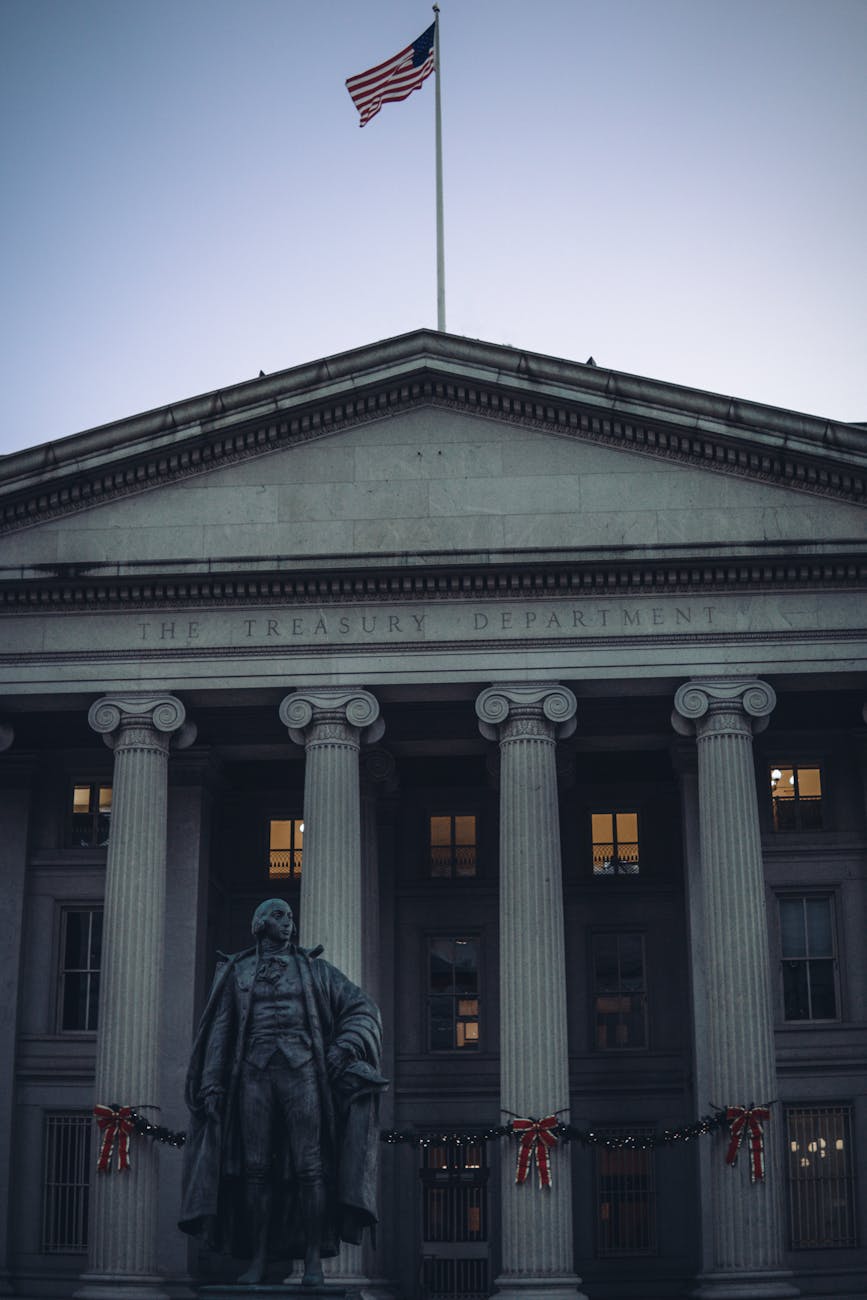
Goldman resets Fed cut call to December as yields climb
Goldman Sachs Fed cut forecast shifted to December as 4.595 per cent Treasury yields and sticky inflation pushed markets toward a higher-for-longer view.
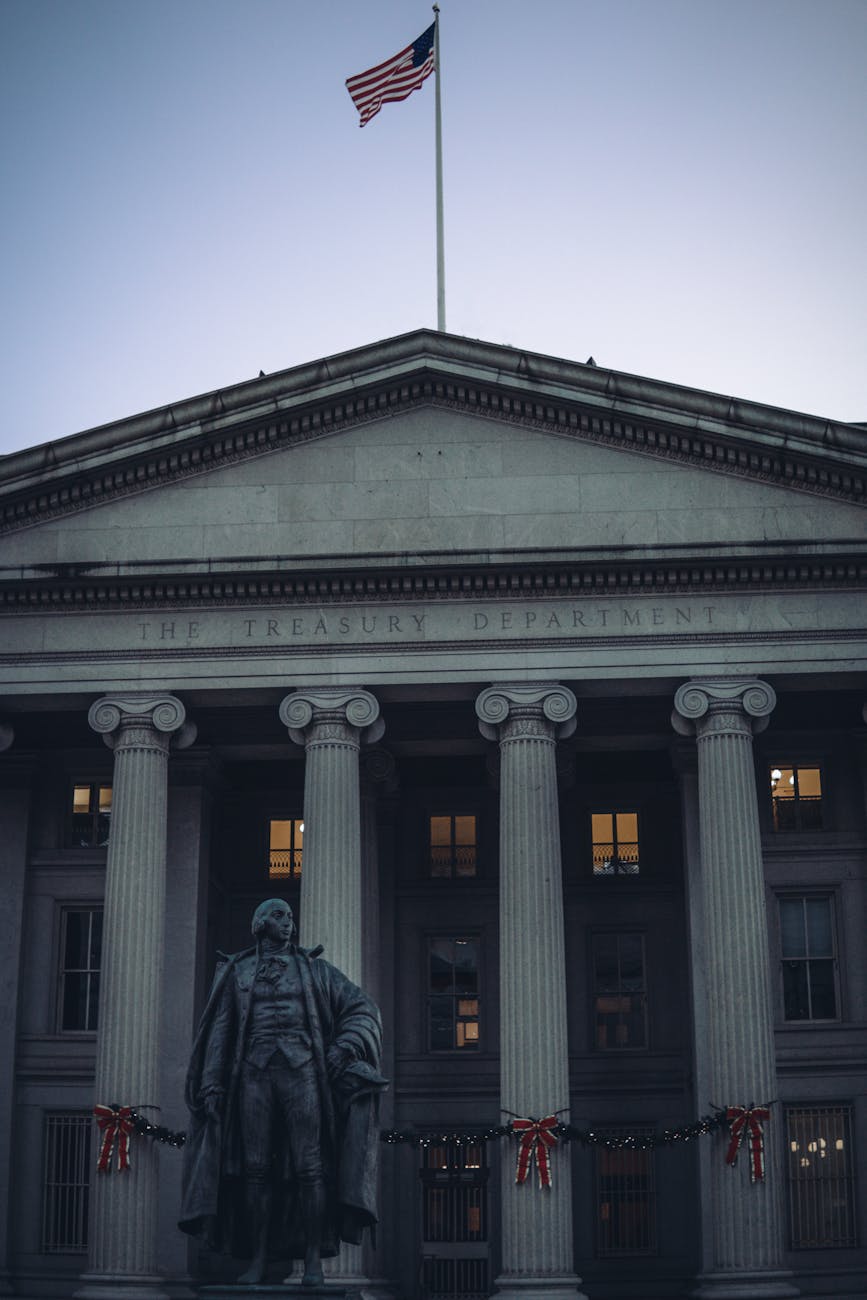
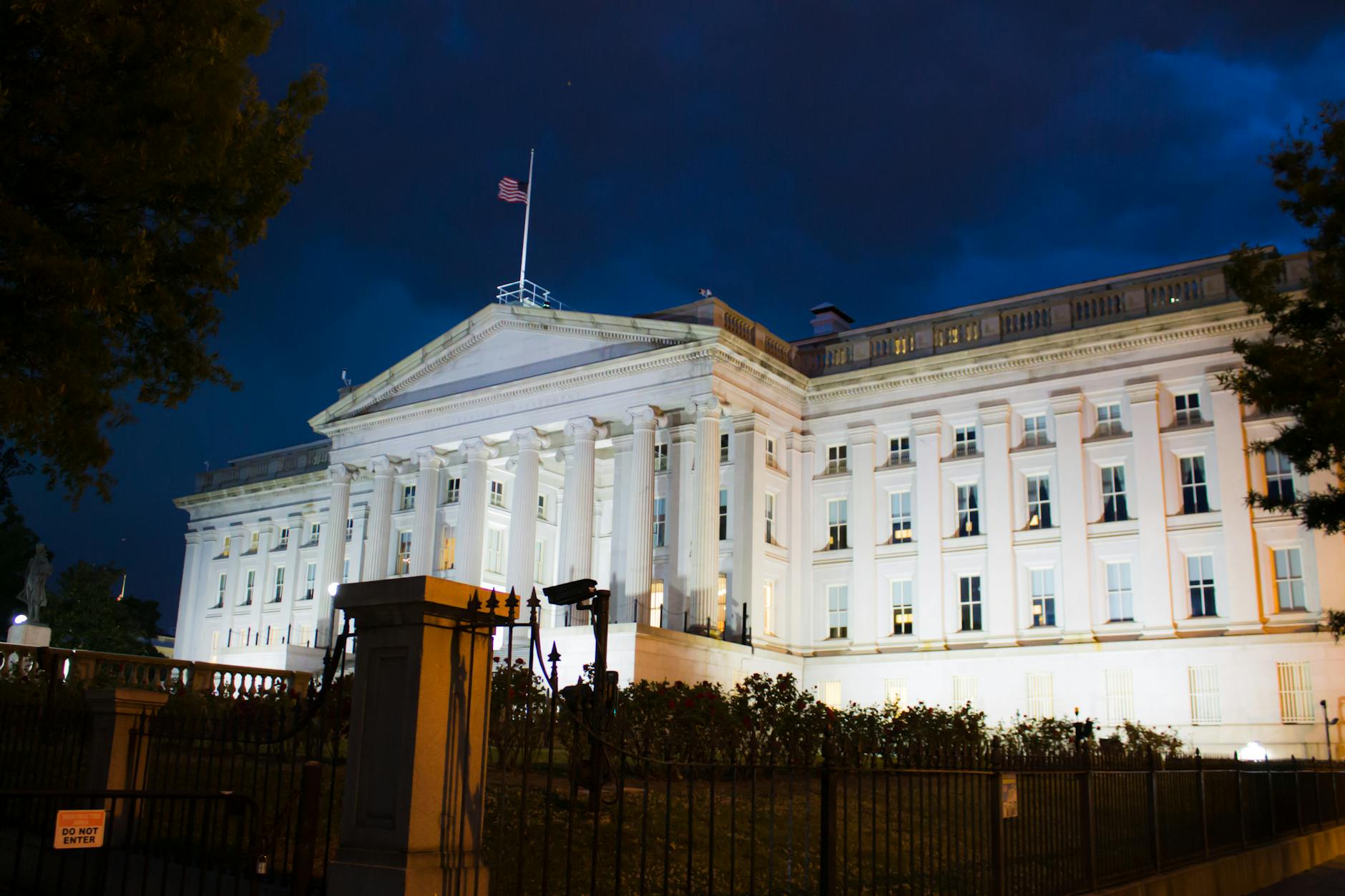
Goldman Sachs has pushed its forecast for the next Federal Reserve rate cut to December 2026, a shift that reveals as much about the bond market as it does about the bank’s economics team. A standard Wall Street easing call only weeks ago now sits against a rates market that has started pricing the next move as a possible hike after inflation stayed hot and long-dated Treasury yields climbed.
Goldman Sachs’ revised call still assumes the Fed eventually gets room to lower rates, with a terminal fed funds view of 3 to 3.25 per cent. The backdrop around that call has hardened. Traders moved this month to price a greater chance of a hike than a cut after a run of inflation surprises, while the 10-year Treasury yield touched 4.595 per cent and the 30-year topped 5.1 per cent. A December cut no longer reads as a timetable; it marks the outermost boundary forecasters can defend if inflation refuses to cool cleanly.
Inside the Fed, the same evidence has made an early cut harder to sell. CNBC’s reporting on Kevin Warsh’s arrival at the central bank described a committee in no mood to rush toward easier policy after an 8-4 vote to hold rates at the April meeting. The chair sets the tone. The data sets the constraint. With headline inflation cited at 3.8 per cent in recent market coverage, caution is becoming the institution’s default posture.
Daleep Singh told CNBC that the bond market had already shifted the debate.
“the market is now pricing a greater probability of the Fed hiking than easing this year, and for good reason.”
— Daleep Singh, CNBC
Whether markets would keep treating year-end easing as the base case had been an open question among bond analysts. The answer is increasingly no. Goldman’s move to December brings a prominent sell-side forecast closer to the market’s own warning, even if it stops short of traders who have begun pricing outright tightening risk.
Research desks and rate futures are no longer separated by much daylight. When markets still believed the next move would be down, economists had more room to talk about delayed easing. Once futures begin entertaining the opposite outcome, a December cut call starts to read as a concession to market stress — not a statement of confidence about disinflation.
What changed in the rates backdrop
Goldman’s revised timetable would matter less in a weakening economy. The trouble for the easing case is that the macro picture has not co-operated. April consumer-price inflation was cited at 3.8 per cent in market reporting, and the bond sell-off on May 15 reflected concern that price pressure may prove more durable than many economists expected at the start of the year.

Persistence, not panic, anchors the sceptic’s case. The New York Times reported that oil prices climbed and bonds faltered as the Iran war intensified inflation fears. If energy keeps feeding headline inflation through the summer, the Fed does not need to raise rates to stay restrictive. It can simply withhold validation of the easing path investors had expected.
Peter Boockvar told CNBC where that pressure now sits.
“Long end rates are now in control of monetary policy.”
— Peter Boockvar, CNBC
Elevated long yields do some of the Fed’s tightening for it. Mortgage costs, corporate borrowing rates and equity discount rates all move higher even when the target range stays unchanged. A committee facing that backdrop can wait for cleaner disinflation rather than cut to support risk assets.
What began as a debate about the fed funds rate now reaches well beyond it. Treasury yields carry information about inflation risk, energy pressure and term premium simultaneously. Officials do not need to separate each component perfectly to absorb the signal. Financial conditions are tightening without the FOMC lifting a finger.
Sell-side economists and rates traders are working with different clocks. An economist can still sketch a December cut if inflation drifts lower and the labour market softens gradually. Traders, meanwhile, are pricing a harsher sequence of risks: sticky inflation, energy pressure and a committee with little reason to rush. A December call feels late in economist terms and still optimistic in market terms.
Why December matters for Warsh’s Fed
Goldman’s December marker is also a communications problem for Kevin Warsh. The New York Times described his inheritance as a regime-change moment for a central bank already under political pressure. A new chair arriving with inflation still above target and long yields still elevated has less room to hint at relief than Wall Street would like.

CNBC’s account of Warsh’s early backdrop suggested the internal dispute is already sharp. Markets often assume a new chair can reset the direction of travel. Committees rarely move that cleanly. A chair facing sticky inflation and a restive long end protects credibility first and tests it with an early cut second — if at all.
Loretta Mester told CNBC that the case for easier policy was not credible while inflation remained live.
“I just don’t think right now he can make those arguments in a credible way, because we have an inflation problem.”
— Loretta Mester, CNBC
Mester’s point goes to the policy question underneath Goldman’s forecast. Resistance inside the FOMC is not about optics. It turns on whether officials think the inflation shock will fade fast enough to justify lower rates. Until they see clearer evidence, a December cut is easier to write in a research note than to sell inside the committee room.
The latest CNBC coverage of the Treasury market showed the sell-off easing on Monday, but traders were still focused on the highest 30-year yield since 1999. What defines the Fed’s room to ease is no longer growth or unemployment alone. It is the market’s willingness to finance the US at lower real rates while inflation and energy risks remain unsettled.
Goldman’s December marker does not settle where the Fed ends 2026, but it shows which side of the argument has gained control: until inflation cools more decisively or the labour market cracks, markets are demanding proof before the Fed can ease.
Helena Brandt
Macro reporter covering the Federal Reserve, ECB, inflation prints and jobs data. Reports from Washington.