U.S. inflation forecast jumps to 6% as traders harden Fed bets
Economists now see U.S. inflation near 6 per cent in the second quarter, pushing Treasury yields higher and lifting bets on a tougher Fed path.

A CNBC survey of economists now sees U.S. inflation running at 6 per cent in the second quarter, up from the 2.7 per cent pace expected in the prior survey, and the revision is forcing traders to price a tougher Federal Reserve path. The new call landed Thursday as markets were still absorbing April consumer prices of 3.8 per cent — investors are asking whether price pressure is proving stickier than the spring slowdown story had assumed.
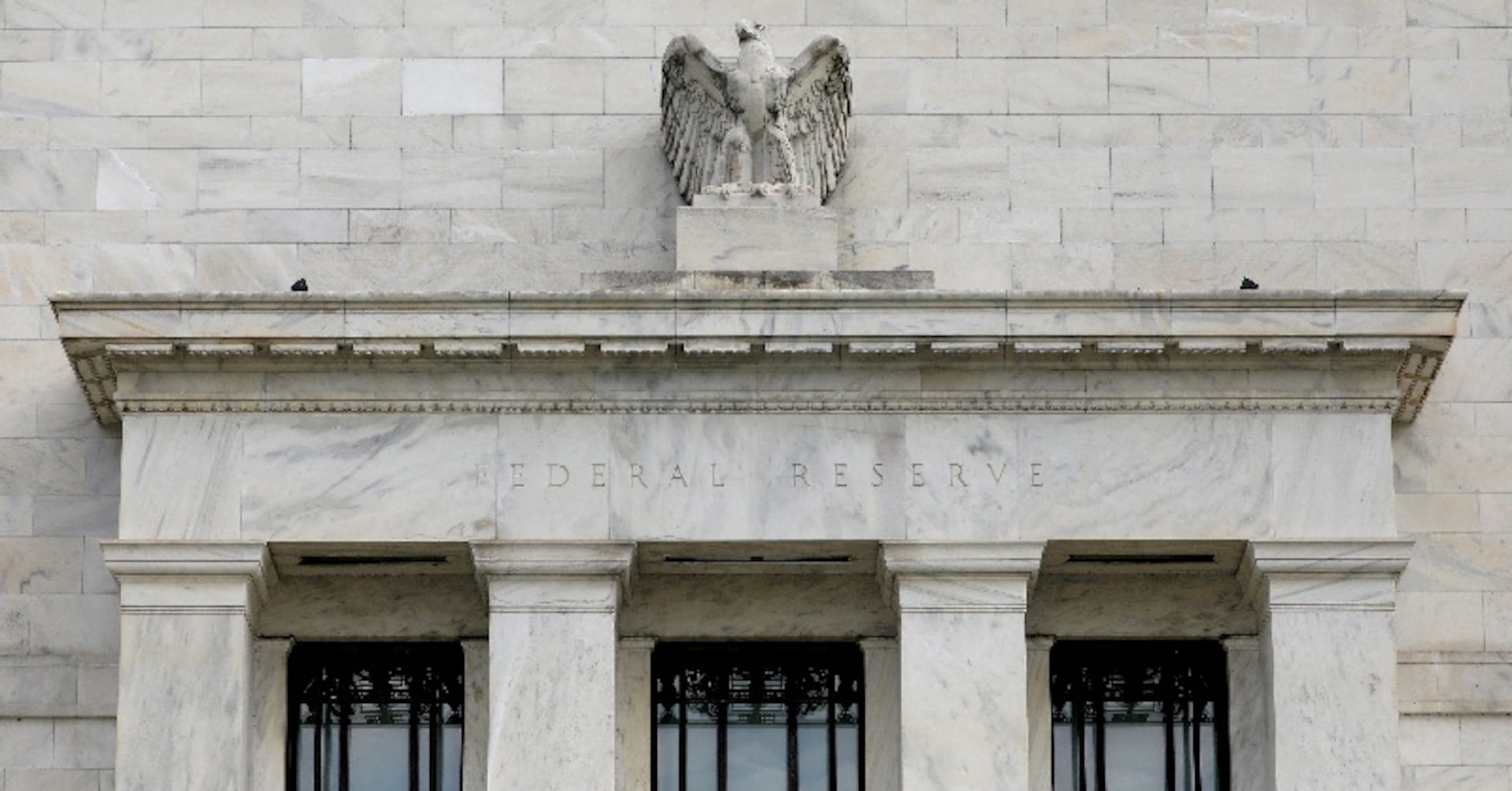
That shift is already showing up in rates pricing. Reuters reported that CME’s FedWatch tool put the chance of a 25 basis point Fed rate increase by the January Federal Open Market Committee meeting at roughly 60 per cent, a sharp turn for a market that spent much of the past year debating when easing might resume. Bond desks are now asking how far expectations have to rise before the Fed has to lean against them again.
Futures pricing had been built around the idea that inflation would cool gradually enough to keep the next policy move biased toward easing. Sixty per cent odds of a quarter-point increase by January do not amount to consensus. What they do signal is that traders have begun to assign real weight to another tightening step — a material shift from the tone earlier in the year.
What stands out about this forecast is the speed. Moving from 2.7 per cent to 6 per cent in a single survey cycle suggests economists are not treating the recent firmness as a one-off distortion. CNBC said the higher estimate reflected a broader reassessment of second-quarter price momentum. Between the Fed’s 2 per cent goal and the inflation track markets now have to discount into year-end pricing, the gap is wide and widening.
In Treasuries, the repricing has been blunt. CNBC reported that the 10-year yield climbed to 4.595 per cent while the 30-year yield reached 5.121 per cent, extending a move that has pushed long-dated borrowing costs back toward levels seen before the market’s earlier easing narrative took hold. Higher long-end yields tighten financial conditions beyond Washington. They also lift the hurdle for equity valuations, corporate funding plans and any argument for near-term rate relief.
Why the path shifted
Bank of America analysts wrote that “the market narrative has shifted from stagflation to reflation due to rising inflation, strong spending and booming earnings.” Why the phrasing lands so hard: a stagflation frame puts weak activity and stubborn prices at the center, while a reflation frame says demand is still strong enough to keep prices firm even as financial conditions tighten. That makes it harder for markets to assume inflation will drift lower on its own.
Policy turnover adds another variable. Traders are moving through this repricing phase as Jerome Powell exits the chair and Kevin Warsh takes over. A handoff like that gives markets one more thing to weigh when handicapping the reaction function. Neither the CNBC survey nor the Reuters reporting offers a fresh timetable from Warsh. Even without one, hotter inflation forecasts, firmer spending and higher term yields are enough to keep investors cautious about a quick pivot back to easier policy.
Duration is where the pain shows up first. A 10-year Treasury yield near 4.595 per cent and a 30-year yield above 5 per cent make it expensive to own long-dated bonds on the view that inflation will glide back toward target. They also leave less room for disappointment in the next round of data. The market does not need an immediate rate increase to adjust — it only needs a growing belief that the next move is no longer plainly downward.
Traders will now test the survey against incoming inflation and spending figures. If future releases cool, part of the recent rates repricing could unwind and the second-quarter 6 per cent call may prove an upper bound rather than a new base case. Absent softer data, markets will probably keep lifting their estimate of where policy has to settle, leaving Treasury yields elevated and the Fed debate more hawkish than it looked at the start of the quarter.
This is still a forecast, not an official inflation print. Forecast revisions matter in rates markets when they arrive alongside harder bond pricing and firmer odds of renewed tightening. A survey move from 2.7 per cent to 6 per cent is the kind of shift that reverberates well beyond macro desks.
Helena Brandt
Macro reporter covering the Federal Reserve, ECB, inflation prints and jobs data. Reports from Washington.