Tag
#semiconductors
Asia chip stocks fall as SoftBank slides 9.2% on AI sell-off
Asia chip stocks fell as SoftBank slid 9.2 per cent, TSMC dropped and investors questioned whether rising AI capex can still pay off.

Broadcom AI outlook tests chip rally’s perfection trade
Broadcom AI outlook disappointed investors because strong growth was no longer enough after a $280bn run-up in the chipmaker’s shares.

Huawei chip plan targets US semiconductor lead by 2031
Huawei chip plan aims for 1.4-nm-class density by 2031, keeping pressure on TSMC, SMIC and US export controls in the chip race.
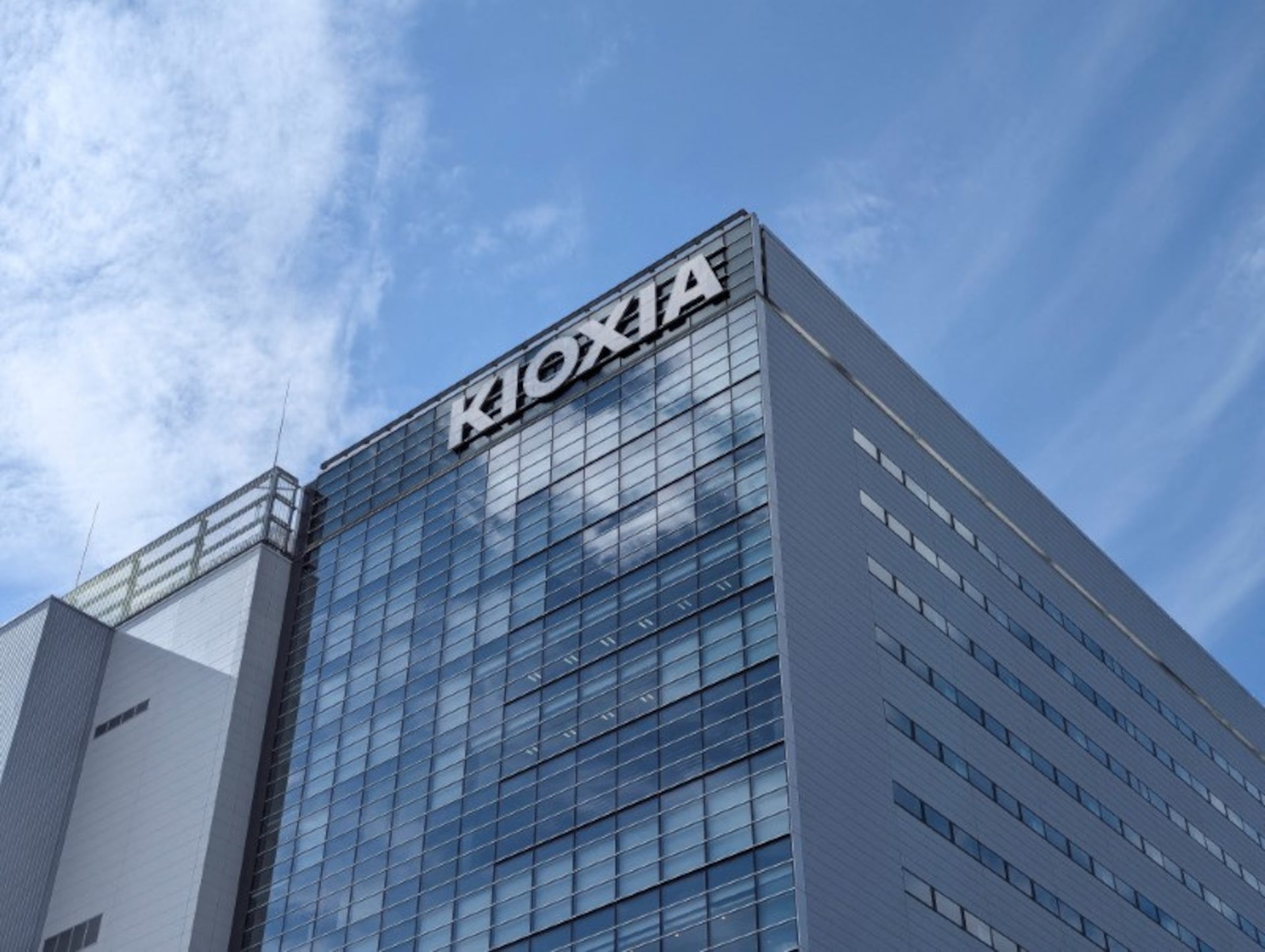
Kioxia (285A.T) rides AI memory boom toward U.S. listing
Kioxia says AI-driven flash-memory demand pushed profit to records and is helping support a U.S. ADS listing aimed at broadening its investor base.
AI Memory Crunch Sends Sandisk Up 552%, Micron to $840B
Memory stocks surge as AI demand outstrips supply. Sandisk, Micron, and Intel face years of scarcity with projected margins above 80%.
Lattice Semi Q1 EPS beats by $0.04, revenue up 42%
Lattice Semiconductor Q1 2026 earnings beat consensus as data-centre and AI server demand drove a 42 per cent revenue jump. The company also announced a $1.65bn acquisition of AMI, a firmware and platform management provider.
S&P 500 and Nasdaq hit records as chipmakers surge, jobs beat
The S&P 500 closed at a record 7,398.93 and the Nasdaq at an all-time high of 26,247.08 on Friday, extending both indices' winning streak to six weeks as an AI chip rally and a stronger-than-expected April jobs report powered the advance.

Coherent (COHR) Q3 revenue $1.81bn beats; shares fall 6% on profit miss
Coherent Corp. reported fiscal Q3 revenue of $1.81 billion, up 20.5 per cent year over year, with non-GAAP EPS of $1.41 beating Street estimates. The shares fell 6 per cent in after-hours trading as adjusted operating income missed expectations and capital spending surged to support a multiyear Nvidia supply agreement.