Kioxia (285A.T) rides AI memory boom toward U.S. listing
Kioxia says AI-driven flash-memory demand pushed profit to records and is helping support a U.S. ADS listing aimed at broadening its investor base.
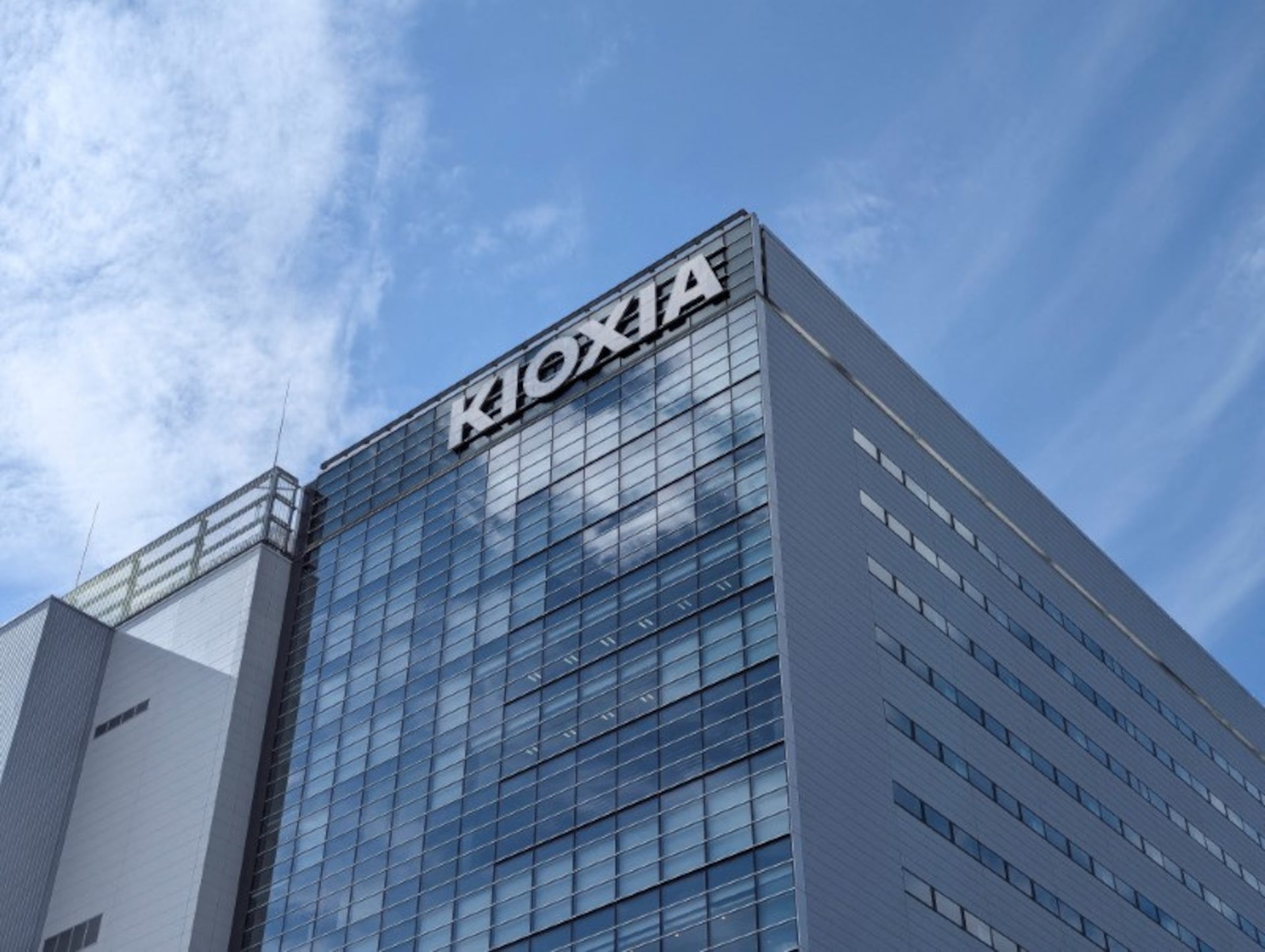
Kioxia Holdings Corporation (285A.T) said on Friday it expected ¥1.3 trillion ($8.20 billion) in operating profit for the April-June quarter, and the Japanese memory-chip maker is preparing to list American depositary shares in the United States, Reuters reported. The twin announcements turn a strong earnings cycle into a capital-markets move. The AI build-out is lifting demand for the largest compute names. It is also giving memory suppliers enough earnings power to think about where they are listed and which investors they can reach.
Bloomberg reported record earnings of ¥596.8 billion for the quarter ended March. Reuters said operating profit for the year ended March rose 92.7 per cent to ¥870.4 billion. The company has moved from recovery to expansion just as investors have become more willing to reward businesses tied to AI infrastructure. Profitability in memory is more cyclical and more exposed to pricing swings than in processors and accelerators, so a durable earnings turn carries weight for a company that has spent years navigating those swings.
Kioxia’s shares have risen about 300 per cent this year, according to The Japan Times. Investors are treating the stock as more than a conventional storage name. If AI data-centre build-outs keep absorbing more flash memory, the companies feeding that supply chain can claim a cleaner growth narrative than they could a year ago. The latest numbers give management a way to take that argument to a wider audience.
Reuters said Kioxia was “preparing to list American depositary shares on a U.S. exchange to grow its investor base.” An ADS line does not change the business, the fabs or the products. It can, however, change the buyer pool and the benchmark set investors use when they value semiconductor exposure. A U.S. venue would put Kioxia more directly in front of funds that compare chip names through an AI-infrastructure lens and have been quicker to pay up for companies seen as second-order beneficiaries of the build-out.
An ADS pitch lands differently when it follows a record quarter rather than a recovery promise. The latest earnings and the year’s share rally give Kioxia a cleaner argument that AI demand is reaching deep into memory and storage, not stopping at the top layer of compute hardware.
Why the listing matters
Nikkei Asia reported Kioxia forecast a 48-fold jump in quarterly profit and quoted the company as saying the “strength of the flash memory market is expected to continue.” Memory rallies can be brief when end-demand softens or pricing turns. Management is arguing this is not a one-quarter squeeze but a broader demand phase with enough durability to support both higher earnings and a push for deeper capital-market access while the window is open.
Japanese chip suppliers have not always been granted the same framing as U.S.-listed semiconductor infrastructure names, even when the underlying demand story improved. By pairing record profit with a U.S. ADS plan, Kioxia is testing whether its AI-linked earnings profile can travel better in a market where semiconductor comparisons are more liquid, more visible and more aggressively traded. The timing is deliberate: it is easier to sell a broader investor base on a listing story when the earnings print itself does most of the persuasion.
The wire reports point in one direction. Bloomberg’s record quarterly earnings, Reuters’ profit forecast for the current quarter and Nikkei’s demand commentary all describe a company trying to convert an AI-driven memory upcycle into strategic optionality. If Kioxia keeps delivering the kind of profits those reports described, a U.S. listing shifts from a routine administrative step toward something larger — another expression of how AI demand is reshaping the semiconductor supply chain.
Naomi Voss
Banks and deals reporter covering bank earnings, fintech, M&A and IPOs. Reports from New York.