BHP Port Hedland strike tests iron ore flows after record output
BHP Port Hedland strike threatens iron ore export timing after the miner posted record 265 million-tonne annual output in the Pilbara.
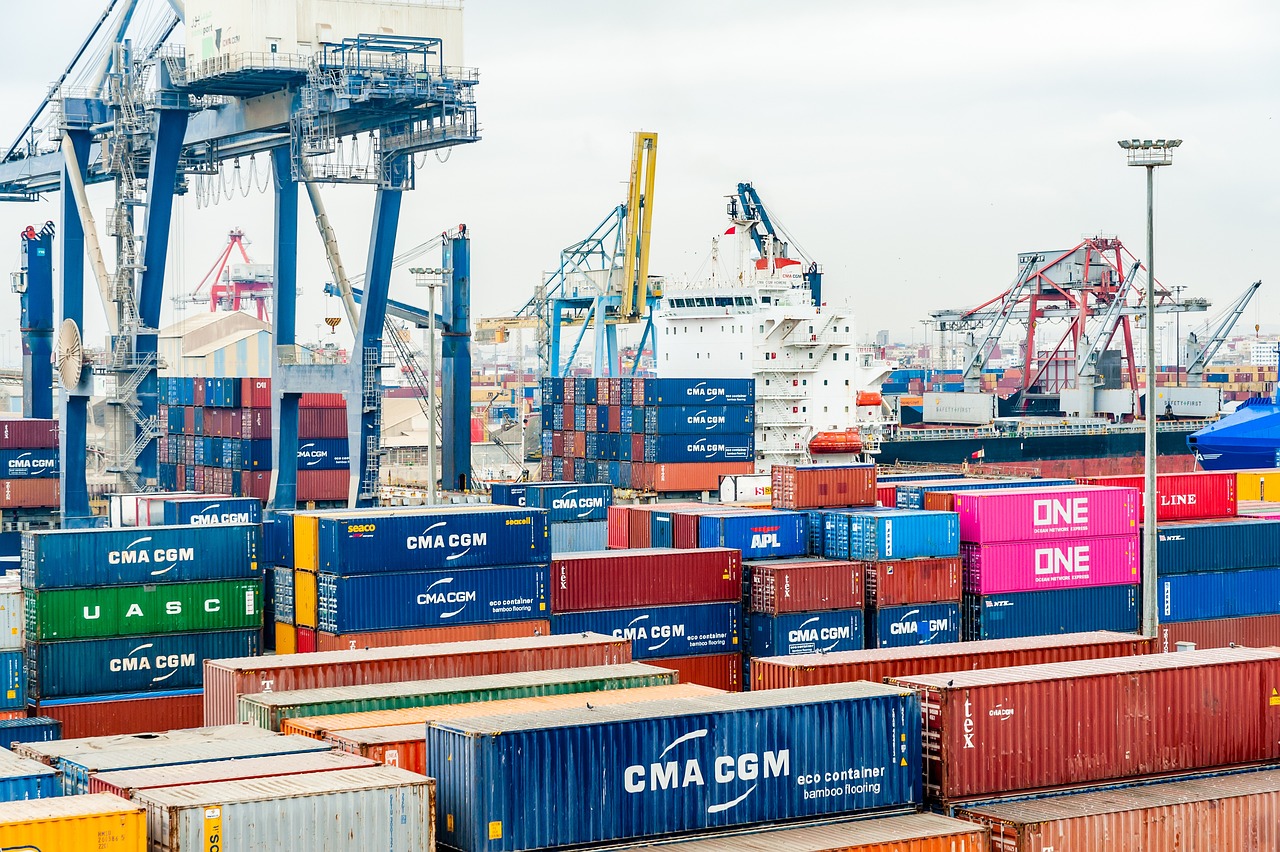
An eight-hour strike at BHP’s Port Hedland operations threatened to test iron-ore export timing on Thursday, hours after BHP reported a record 265 million tonnes of annual output. Workers were due to down tools at 2 p.m. local time. For the market, the near-term issue was whether vessel-loading windows slip at one of Australia’s main ore gateways.
A single shift does not rewrite BHP’s production year. The risk is lower down the chain. Port Hedland is where mined ore becomes seaborne supply, so a break in trains, stockyards or loading sequences can reach freight schedules before it appears in quarterly output tables. Shipping desks tend to notice those gaps before equity investors do.
The dispute had been building for more than a week. In earlier reporting on July 8, ABC said up to 400 workers were preparing to strike after bargaining deteriorated. That turned a local industrial dispute into a test of labour’s leverage at the export end of the Pilbara system. The pressure point is not ore in the ground. It is ore waiting for a ship.
BHP’s operating backdrop gives it some room. In its operational review, the miner said iron-ore output for the year reached 265 million tonnes, a company record. Chief executive Brandon Craig said BHP had “finished the year strongly” while setting performance records across the business. That cushions full-year production, but it does not keep berths, ships and delivery windows in sequence if the dispute widens.
The union has put a dollar figure on the pressure. ABC reported the Electrical Trades Union estimated the action could cost BHP up to $50 million in lost revenue. The number is a reminder of how much value depends on uninterrupted shiploading, even when a stoppage lasts only part of a day.
“That iron ore is not magically going to disappear out of the Pilbara region and appear somewhere else without them putting it on a ship.”
— Adam Woodage, Electrical Trades Union WA state secretary, ABC News
BHP told ABC News that it would put bargaining before the independent umpire “to help dispel any myths about progress in bargaining”. The first eight hours may matter less than what follows. One contained stoppage is manageable. Repeated actions, or a drawn-out arbitration process, would do more to change supply assumptions.
Where disruption shows up
Location is the reason the action carries market weight. Port Hedland is not simply another worksite in BHP’s chain; it is the point where tonnes become cargoes. Late trains, reshuffled stockpiles or slower berth turns can move quickly into demurrage costs, vessel queues and nearby cargo availability. A short stoppage can matter more to the market than its clock time suggests.
There is also a precedent question. The Conversation described the action as more than one bargaining round and a historically unusual test of labour power in the Pilbara. ABC’s earlier coverage made a similar point. One shift is unlikely to choke global iron-ore supply. A rare interruption at a central export hub, however, gives traders and rival miners reason to watch whether negotiating positions harden elsewhere in the region.
What traders watch
For iron ore, record production gives BHP operational cushion, not full logistics insulation. If cargoes scheduled around Thursday’s window are loaded on time, the strike is likely to read as headline risk rather than a supply event. If loading windows slip, the effect would show up first in prompt availability and freight planning. In a bulk commodity, nearby cargo timing shapes conversations with mills, charterers and freight desks. That is the route through which benchmark prices would feel the dispute.
What happens next depends less on Thursday’s headline than on duration and repeatability. If the action ends after one shift and bargaining moves into arbitration, BHP can still point back to a record operating year and the market may treat the disruption as noise. Further stoppages would turn Port Hedland from a narrow industrial-relations story into a seaborne-supply story, the point at which benchmark ore prices and freight desks would pay closer attention.
Reza Najjar
Commodities desk covering oil, natural gas, gold and base metals. Reports from London.