China’s coal backstop is starting to look fragile
China coal blast fallout is testing Xi's energy-security push as Shanxi inspections, supply risk and wartime fuel stress collide.
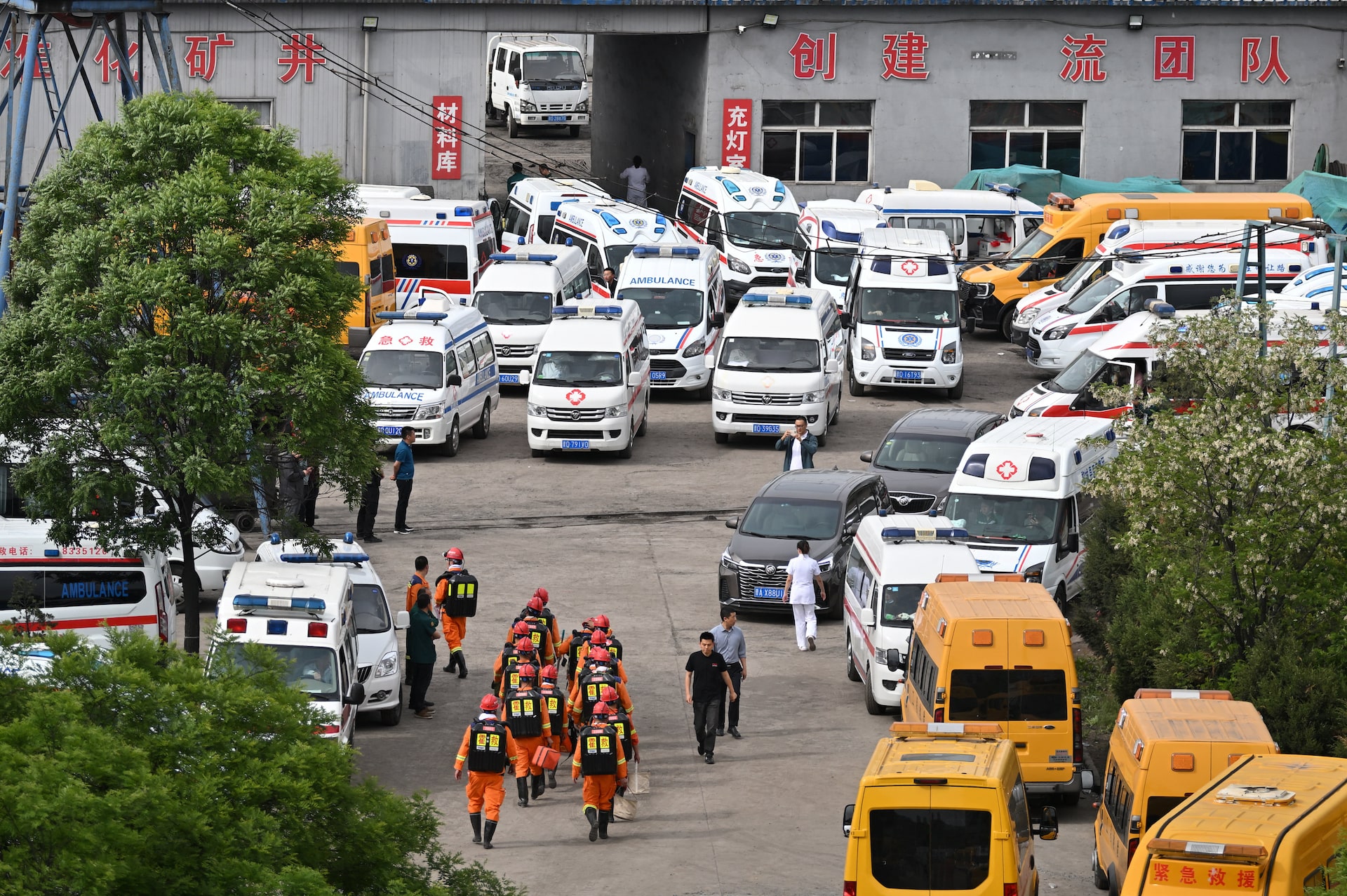
A gas blast that killed at least 82 people at the Liushenyu coal mine in Shanxi has turned China’s coal-first energy strategy into a new supply and policy risk, just as Bloomberg reported that record domestic output had been helping shield the economy from the worst of the Iran-war shock.
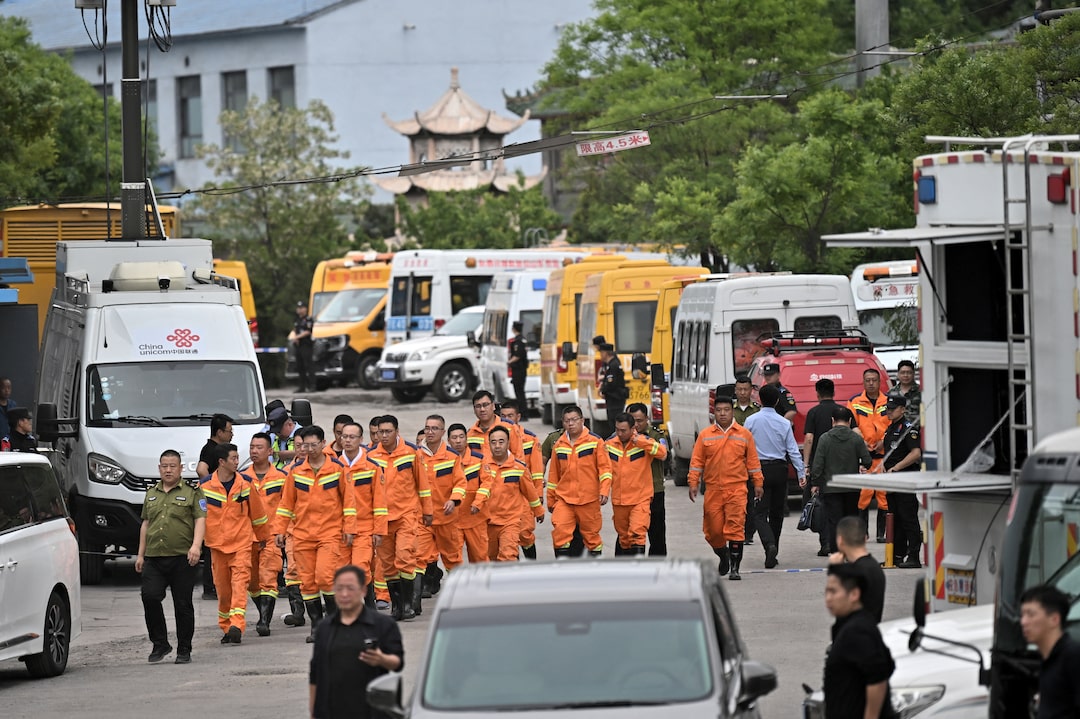
In Qinyuan county, where officials said the scene was chaotic after the accident, the market logic and the human cost are harder to separate. Reuters reported that 247 workers were underground when the explosion hit; AP, via NPR said 128 people were hospitalised and two remained missing. For the families and miners who keep Shanxi’s pits running, the question is not whether coal still matters to China. It is whether production pressure keeps outrunning safety.
But Beijing reads the same disaster differently. Vice premier Zhang Guoqing ordered a “rigorous and uncompromising investigation” after Xinhua said the mine operator and local supervisors showed serious violations. The policy tension is now plain: Xi Jinping wants secure domestic fuel in an unstable regional energy market, yet every emergency inspection cycle exposes how brittle that security can look underground.
“Rigorous and uncompromising investigation.”
— Zhang Guoqing, via Xinhua
Coal as wartime insurance
Coal had become a backstop fuel for China before the blast. Semafor wrote that oil prices jumped after Iran signalled it would not submit to US pressure, adding to a broader Asian energy market already wrestling with war risk and tighter fuel availability. Against that backdrop, Bloomberg’s reporting matters because it puts the Shanxi disaster inside a bigger commodity story: domestic coal was not just an industrial habit. It was part of Beijing’s insurance policy.
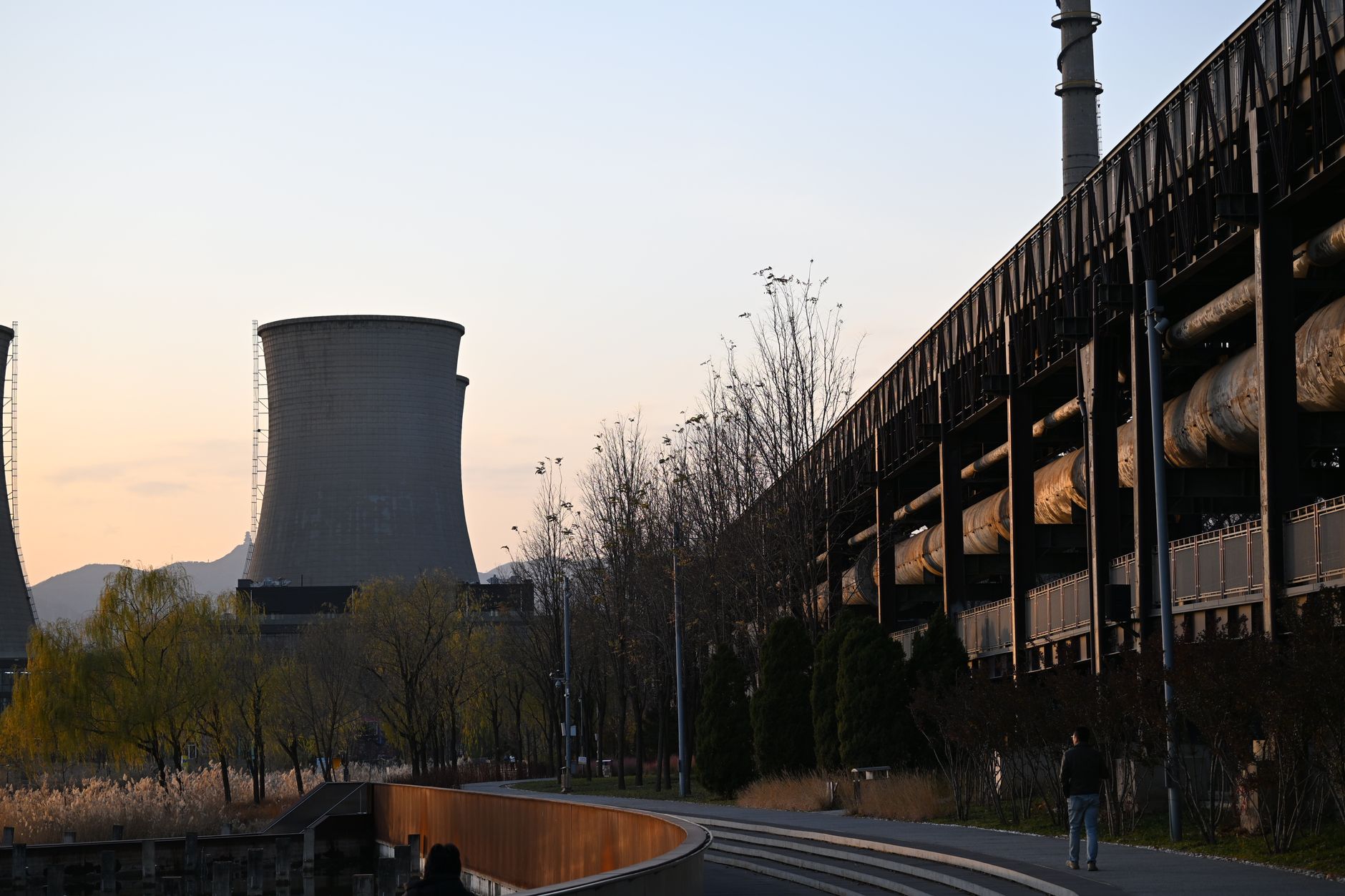
On paper, one mine does not decide China’s supply balance. Liushenyu’s annual capacity is 1.2 million tons, meaningful locally but small against the country’s system-wide output. Small, but not trivial. The market question is wider: whether post-blast inspections spread across Shanxi, slow transport, or force closures at other gas-heavy pits.
Summer is what makes the timing awkward. One of the central market questions is whether an inspection wave can disrupt Shanxi output during the seasonal demand build. Beijing does not need a nationwide shortage for coal to matter more. A cluster of inspections across one major province can change freight flows, dispatch choices and import appetite at the margin.
Shanxi is not a fringe basin in this equation. It is one of the coal regions Beijing leans on when imported fuel looks expensive and policymakers want power plants burning domestic supply instead. In calm markets, that lowers exposure to seaborne price swings. In stressed markets, it makes safety enforcement a supply variable.
Coal’s role here is not abstract. Domestic output has been part of the reason China could navigate external energy stress without looking fully hostage to imported cargoes. If inspections stay narrow, that buffer survives. If they spread, utilities may have to lean harder on seaborne fuel just when regional energy markets are already carrying a war premium.
For energy analysts, the single site matters less than the reaction function around it. China’s planners can absorb a tragic interruption at one operation. They face a harder choice if a safety crackdown starts to chip away at the domestic coal cushion that has let Beijing avoid bidding as aggressively for imported fuel while the Middle East conflict keeps oil and gas traders on edge.
Safety data versus output targets
The regulator’s problem is not only the blast. It is the paper trail left behind it. Reuters said the reported death toll was later revised to 82 from 90 after duplicate registrations and headcount problems were identified. Xinhua added that officials would review other mines, especially those handling gas hazards, and correct falsified monitoring data.

One central policy question already has a partial answer: yes, the revised headcount and data failures do point to something larger than one bad night. They suggest an audit problem in a province where output targets, local revenue and employment still lean heavily on coal. When casualty numbers change because the list of who was underground was itself wrong, safety oversight starts to look like an information problem as much as an engineering one.
Seen from Beijing, this is also a governance test. Central orders can be strict on paper, but mine safety is enforced through county and provincial chains that live with the economic consequences of halting output. Every mismatch between the official worker roster and the people actually underground tells investors something uncomfortable about those incentives.
For central authorities, this is the line between a post-disaster ritual and a real audit. If Beijing limits the response to the Liushenyu operator, the political damage stays local. If it treats falsified gas-monitoring data and inaccurate worker counts as system problems, the enforcement perimeter widens quickly. Commodity desks would read that as a coal-risk premium, not just a legal story.
The user-affected perspective sharpens the point. A county official, Guo Xiaofang, said the immediate aftermath was chaotic, according to Reuters. The Guardian reported that the Liushenyu mine had been among 1,128 operations cited in 2024 for severe safety hazards by China’s national mine safety administration. For miners and their families, promises of accountability matter less than whether flagged hazards actually stop production when stoppages would hit local payrolls and supply.
“Spare no effort.”
— Xi Jinping, in comments carried by AP via NPR
Xi’s instruction sounds absolute. The harder test is whether it survives contact with an energy system that still depends on coal to absorb external shocks.
What Beijing is pricing now
The most plausible near-term outcome is not a national coal shortage. It is a repricing of coal risk inside China. Mines in Shanxi and elsewhere may face more inspections, tighter scrutiny of gas-monitoring systems and a harsher official line on concealed violations. Each step makes sense after a disaster. Collectively, they can still slow output, raise compliance costs and remind utilities and traders that energy security bought through maximum domestic extraction carries a volatility premium of its own.
Markets will not measure that only through benchmark coal prices. Utilities, industrial buyers and provincial officials will watch transport bottlenecks, inspection notices and whether gas-heavy mines receive different treatment from lower-risk operations. The first signal may appear in operating discipline and provincial dispatch, not in a headline shortage.
There is a political cost as well. Beijing has spent years arguing that more domestic coal capacity is a prudent hedge against imported energy shocks and geopolitical stress. The Shanxi blast does not disprove that case. It does expose its hidden balance sheet. Coal can insulate the economy from war-driven fuel stress abroad while creating a different kind of fragility at home: safety failures, suspect data and local incentives that reward tons until tragedy forces a reset.
The awkward truth for Beijing is that the same coal system that reduces exposure to seaborne shocks also multiplies the number of sites where local incentives can collide with safety rules. Energy security is not only about having enough fuel. It is also about whether the state can trust the information coming back from the mines that supply it.
For scramnews readers, the move to watch is simple. If the inspection wave stays narrow, the accident will remain a human catastrophe with limited commodity spillover. If it spreads across Shanxi’s coal belt, the blast will look like more than a disaster brief. It will be the moment China’s coal-security drive stopped looking cheap.
Reza Najjar
Commodities desk covering oil, natural gas, gold and base metals. Reports from London.