China coking coal jumps by daily limit after Shanxi blast
China coking coal jumped by the daily limit after a Shanxi mine blast raised the risk that wider safety checks will tighten supply.
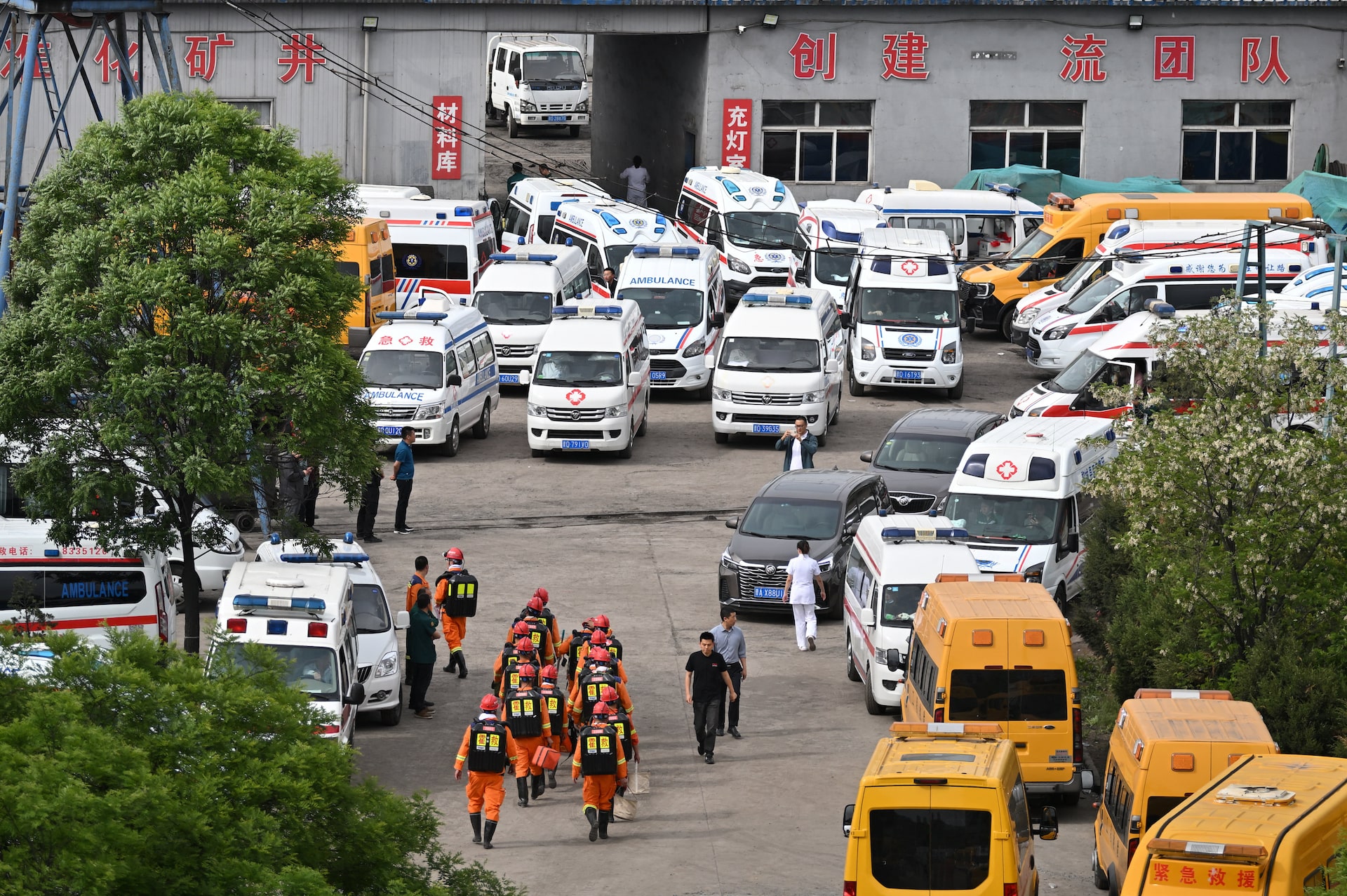
Chinese coking coal jumped by the daily limit on Monday after a fatal blast at the Liushenyu mine in Shanxi raised the prospect of wider safety checks in one of China’s main coal-producing regions. Traders quickly priced the risk that emergency inspections could slow output of a fuel central to steelmaking.
The first market read-through came from the main wire reports. Reuters reported that benchmark coking coal futures surged nearly 8 per cent to their daily upper limit and touched their highest in almost two weeks. Bloomberg reported that coal prices and related stocks advanced as investors assessed whether authorities would respond with inspections beyond the mine where the blast occurred.
The accident killed 82 people, according to Reuters, making it China’s worst coal-mine disaster in 17 years. For commodity markets, the question is not only the loss at one site but where it happened. Shanxi is one of China’s main coal-producing provinces, so a broader safety campaign there can change expectations for near-term supply more than the damage at a single mine would on its own.
That helps explain why futures moved before officials published detailed production guidance.
Coking coal sits near the start of the steel chain, and traders tend to add a risk premium quickly when they see a chance that mining, transport or mine restarts could be delayed. That is why a fatal accident in a large producing province is treated as a signal about administrative response, not just physical damage at one shaft. The market is trying to judge whether inspections stay local or spread across nearby operations.
Why traders moved
The immediate concern was precautionary shutdowns rather than a confirmed nationwide shortage. Bloomberg said the rally reflected fears that heightened safety inspections could disrupt supply across the sector, while Reuters supplied the numerical picture of a nearly 8 per cent jump to the exchange limit. Together, the reports showed a market reacting to inspection risk as much as to the blast itself.
How long the move lasts now depends on how far the official response spreads. If checks remain concentrated around Liushenyu, some of Monday’s spike could fade once the first rush for protection passes. If scrutiny widens across Shanxi or other producing areas, prices may keep a supply premium for longer because buyers will assume slower output and more caution from miners. Bloomberg’s note that related stocks also rose suggested traders were repricing sector risk, not only a single futures contract.
The move matters beyond coal producers. Higher coking coal costs can squeeze blast-furnace margins when steel prices do not rise as quickly, and that can ripple through mill hedging and raw-material purchasing. A fatal mine accident that began as a local emergency has already become a wider steel-input story for traders watching whether tighter mine safety will also mean tighter supply.
Reza Najjar
Commodities desk covering oil, natural gas, gold and base metals. Reports from London.