Fed CBDC ban becomes law in housing bill without Trump signoff
Fed CBDC ban became law after Trump let a housing bill take effect unsigned, tightening the barrier around a digital dollar and shifting payments policy.
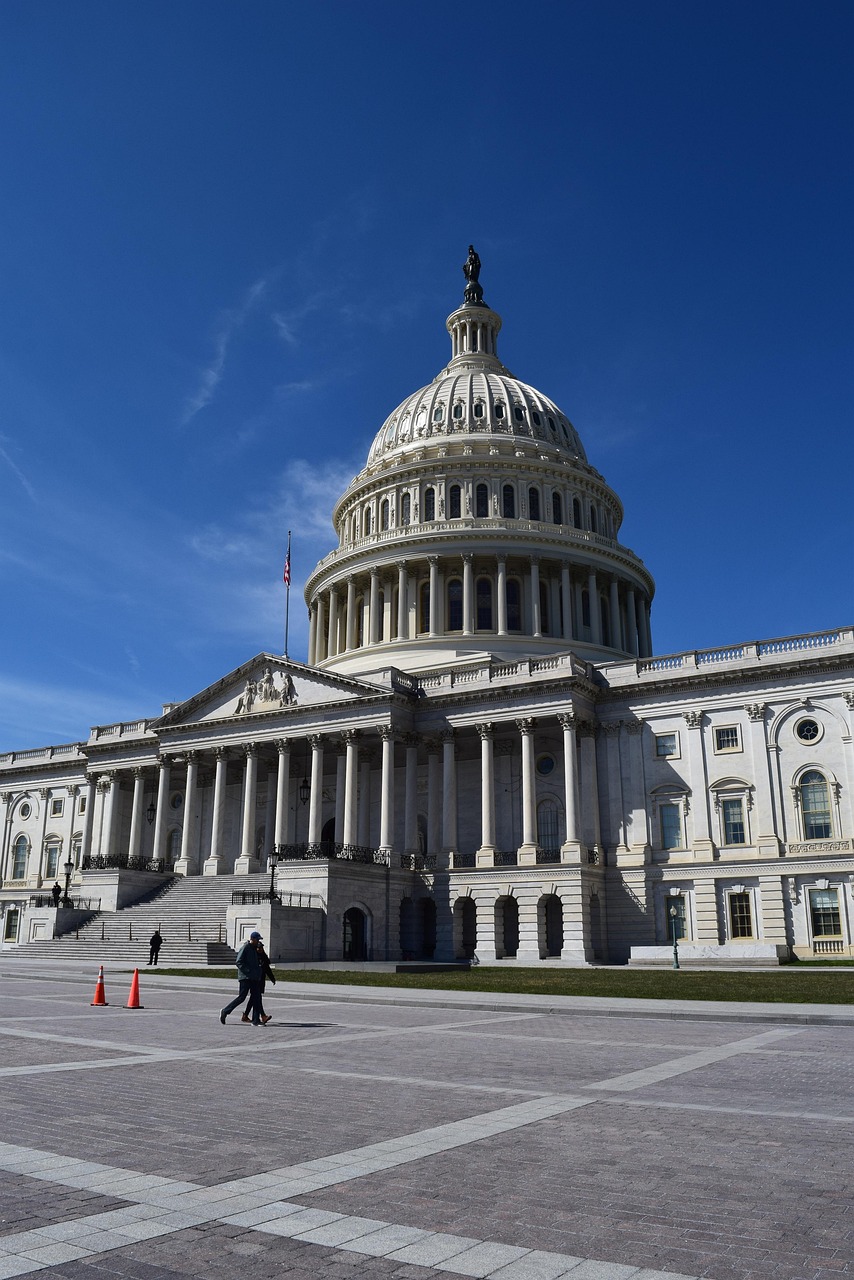
A housing bill that bars the Federal Reserve from issuing a US central bank digital currency became law Friday after President Donald Trump let it take effect without his signature. Anti-CBDC language is now statute, not just a campaign line.
The clause matters less for housing than for payments policy. The package cleared the Senate 85-5 and the House 358-32, according to The Block’s account of the bill, giving the restriction a much wider base than a party-line crypto amendment would have had. Lawmakers were willing to put a hard limit on a Fed-issued digital dollar inside broader financial legislation. That is a different signal from speeches, letters or campaign platforms, because the language survived the ordinary work of moving a large bill through Congress.
Trump’s stated protest was about another measure. He wrote that he would not sign the housing bill “in PROTEST over the fact that the United States Senate is not capable of passing THE SAVE AMERICA ACT,” as quoted by The Block. The CBDC clause was not the reason he gave, and he did not present the bill’s becoming law as a digital-assets victory.
The mechanics carried it over the line anyway. Under the process described in The Block’s report, the bill became law after 10 days without Trump’s signature. The restriction therefore sits inside an enacted statute even without a final public embrace from the White House.
That procedural detail matters for the Fed. The central bank had been treating a digital dollar as a study question, not as an imminent launch. In its discussion paper on central bank digital currency, the Fed said it was examining “the pros and cons of a potential U.S. central bank digital currency, or CBDC,” and framed the issue as one for public debate. It had not offered an operational blueprint for issuance.
The new law bites at the step after research. It does not stop a launch that was already under way, because the Fed had not begun one. It does make any future move toward a Fed-run digital dollar more explicitly political. A later administration or Fed leadership team would have to work through privacy, financial-stability and payments-plumbing questions while facing a Congress that has now voted overwhelmingly to keep the central bank away from direct digital retail money. That combination turns what had been a technical policy file into a harder legislative fight.
Banks and stablecoin issuers inherit the cleaner argument. The ban does not create a federal framework for private digital-dollar tokens, and it does not settle the separate fights over stablecoin oversight. Still, by closing off the public-sector route in this statute, lawmakers have sharpened the question left for regulators and Congress: whether private issuers and banks can fill the digital-dollar space under rules that have yet to be finished. The answer matters for payments companies as much as for crypto firms, because any durable stablecoin regime would sit next to bank deposits, money-market funds and card networks.
For crypto-policy advocates, the route matters nearly as much as the substance. CBDC language crossed the line in a housing package, not in a stand-alone digital-assets bill. The issue is not settled forever, but the political wall around a Fed-issued digital dollar is higher now, and the fight shifts back to the private alternatives still on the table.
Tomás Iglesias
Financial regulation and legal affairs. SEC, CFTC, FCA, market-structure and enforcement. Reports from Washington.