North Carolina prediction markets get 6% tax as CFTC edge grows
North Carolina prediction markets got a 6 per cent tax rate in the new budget, widening their edge over sportsbooks taxed at 23 per cent.

North Carolina gave prediction-market operators a cleaner path through state law after a budget law said contracts listed on a Commodity Futures Trading Commission-registered market fall under “exclusive federal regulatory authority.” The measure set a 6 per cent tax on net trading fee revenue tied to state residents and raised the tax on online sportsbooks to 23 per cent from 18 per cent, leaving two sports-linked trading products with sharply different state costs.
That does not settle whether sports-event contracts are federally supervised derivatives or gambling products governed state by state. It does put North Carolina on record as recognizing CFTC preemption for designated contract markets, giving exchanges such as Kalshi a better statutory position than sportsbook operators as the jurisdiction fight widens.
Under the ratified bill, lawmakers said a prediction-market contract offered on a CFTC-registered exchange “shall be deemed lawful in this State” when the contract is listed by a market “under the exclusive federal regulatory authority” of the commission. The 6 per cent levy applies to net trading fee revenue attributable to North Carolina residents and is due to take effect on Jan. 1, 2027, according to the legislation.
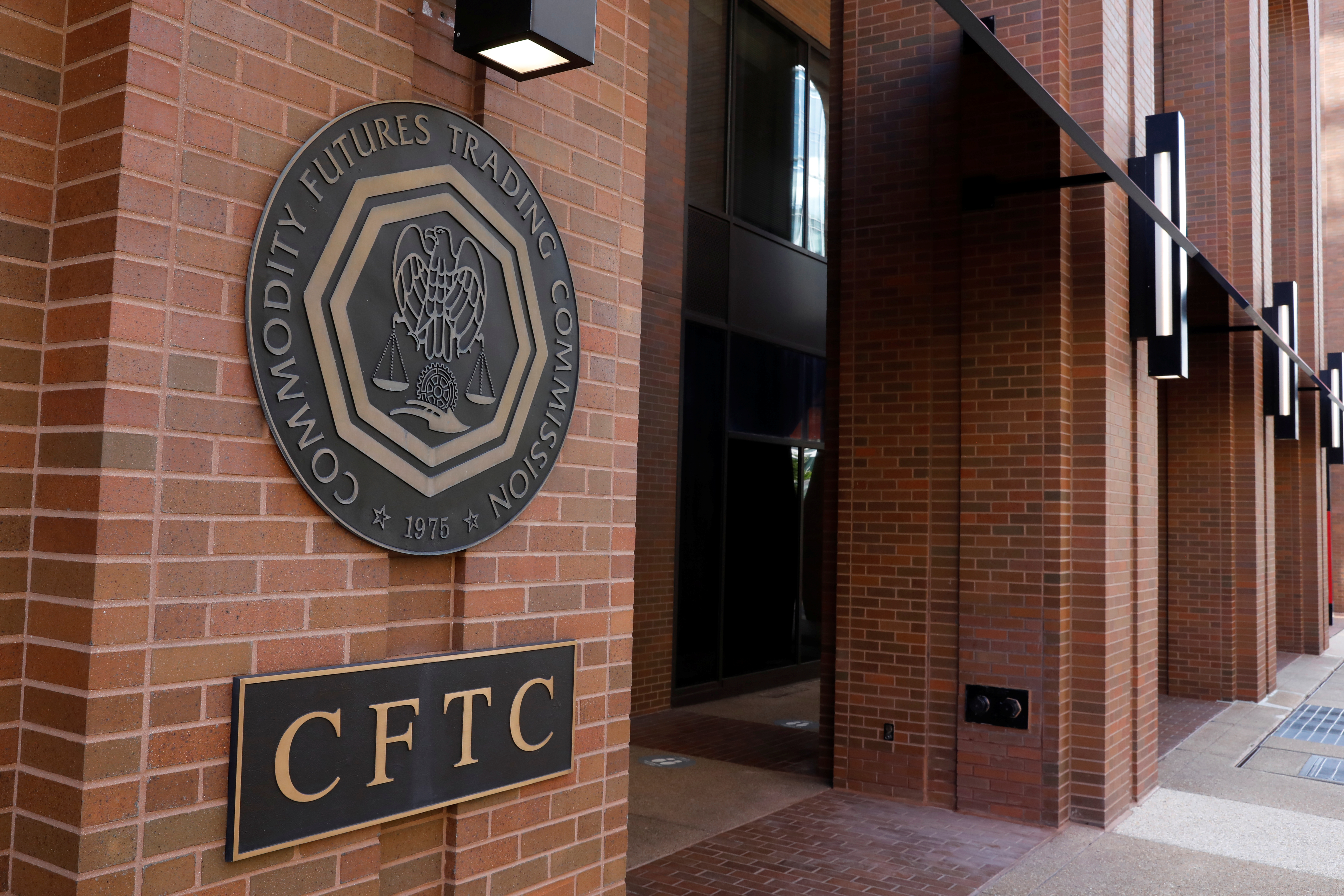
The language arrives in the middle of a broader CFTC and industry campaign to keep event contracts inside the federal derivatives framework, even when the event looks close to a wager a gaming regulator might otherwise police. In a press release announcing its lawsuit against New York, CFTC Chairman Michael S. Selig said states were trying to use local gambling laws to restrict contracts that the agency says fall within its jurisdiction. “CFTC-registered exchanges have faced an onslaught of state lawsuits seeking to limit Americans’ access to event contracts and undermine the CFTC’s sole regulatory jurisdiction over prediction markets,” Selig said.
For exchanges, the budget language gives the CFTC argument a practical state-level benefit. The law does not push CFTC-supervised platforms into the sportsbook licensing lane. It taxes their fee income at less than one-third of the 23 per cent rate now applied to online betting operators. At a minimum, the gap suggests one state is prepared to treat federally listed event contracts differently from sports wagering for both jurisdictional and tax purposes.
Courts are still moving in the other direction in some places. In New York, Judge Analisa Torres recently said state gambling laws were not preempted as applied to Kalshi’s sports-event contracts, undercutting the exchange’s effort to block enforcement while the wider dispute plays out. Operators are left with a mixed map: North Carolina has written federal preemption into budget language, while another major state is still testing the boundary in court.
Why the tax split matters
The economics may matter as much as the legal wording. A 6 per cent charge on net trading fee revenue leaves prediction-market platforms with a lighter state burden than sportsbooks facing a 23 per cent rate, up from 18 per cent previously. If exchanges can keep offering sports-related contracts under the CFTC umbrella, they gain a cost structure that could support tighter pricing, more contract variety or higher marketing spend than operators working through the state’s gambling regime.
Other states will now have to confront the distinction more directly. Legislatures and gaming regulators have generally tried to keep sports wagering inside state tax and licensing systems. Kalshi and similar venues argue that federally listed event contracts are a different product class. North Carolina has sketched a middle path by acknowledging federal oversight in statute while still imposing a state tax.
Beyond Raleigh, the bill gives the industry another citation in the preemption debate. It does not guarantee that courts will side with the CFTC or with exchanges in every jurisdiction, and it does not remove the political pressure that follows prediction markets when they move closer to sportsbook territory. But a large state has now chosen to recognize federal authority explicitly and tax the business more lightly than conventional sportsbooks. For operators, regulators and investors following market-structure risk around event contracts, that signal is likely to travel well beyond North Carolina.
Tomás Iglesias
Financial regulation and legal affairs. SEC, CFTC, FCA, market-structure and enforcement. Reports from Washington.