Alcoa (AA) buys South32 alumina assets for $4.1bn
Alcoa's $4.1 billion South32 deal adds bauxite, alumina and aluminium assets across Australia, Brazil and South Africa.
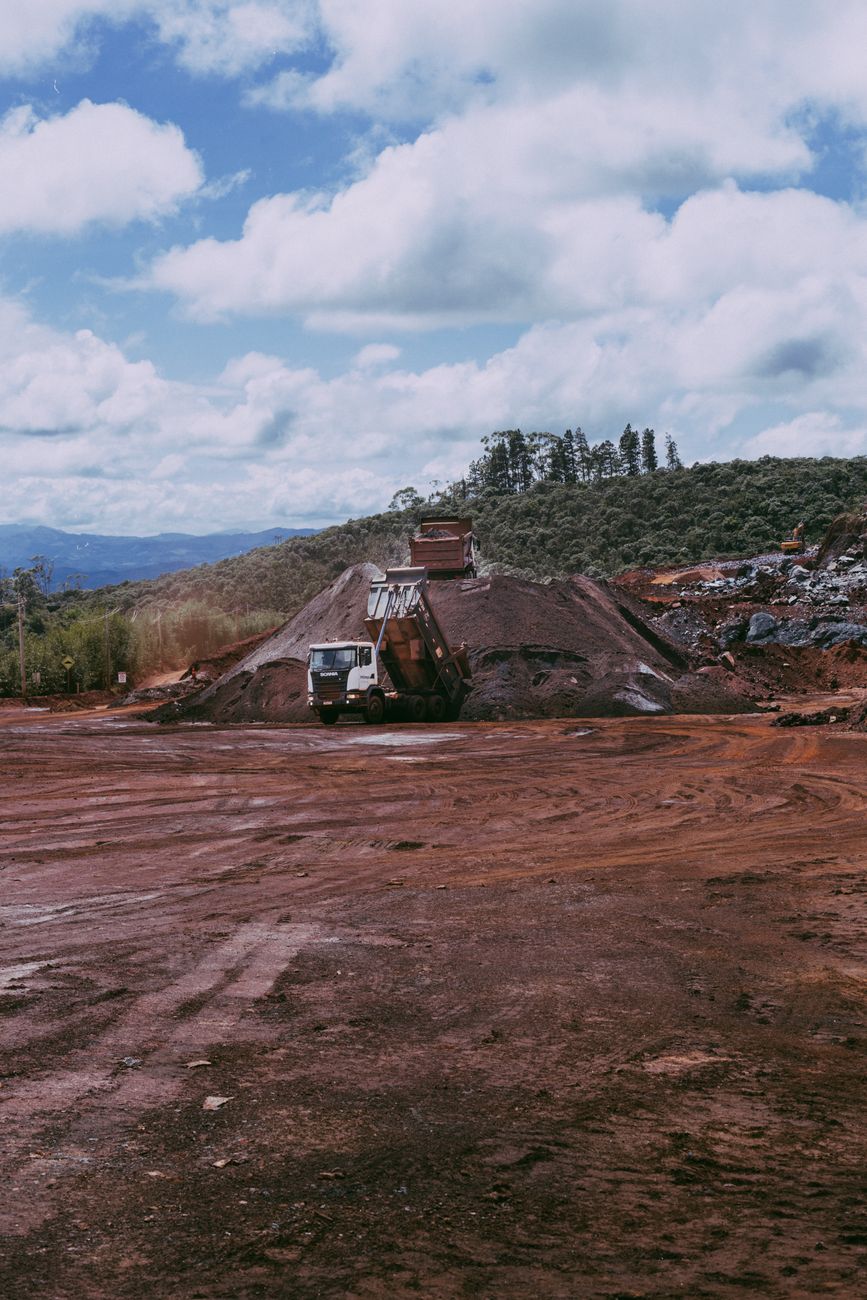
Alcoa agreed to buy South32’s bauxite, alumina and aluminium assets for $4.1 billion in cash and stock on Tuesday, extending its grip on the route from mine to metal before the next turn in the cycle. Alcoa shares were last down 2.27 per cent at $52.14, according to Yahoo Finance market data cited in the research bundle.
Under the terms, the company statement set out $3.1 billion in cash and about $1.0 billion in newly issued Alcoa shares, for an implied enterprise value of $4.7 billion including net debt. South32 holders could receive another $750 million through a contingent value right if alumina and aluminium prices clear agreed levels after closing. Bloomberg reported that the package could reach about $5.6 billion once debt and the contingent payment are counted. Those different figures explain why early coverage gave the transaction several headline values.
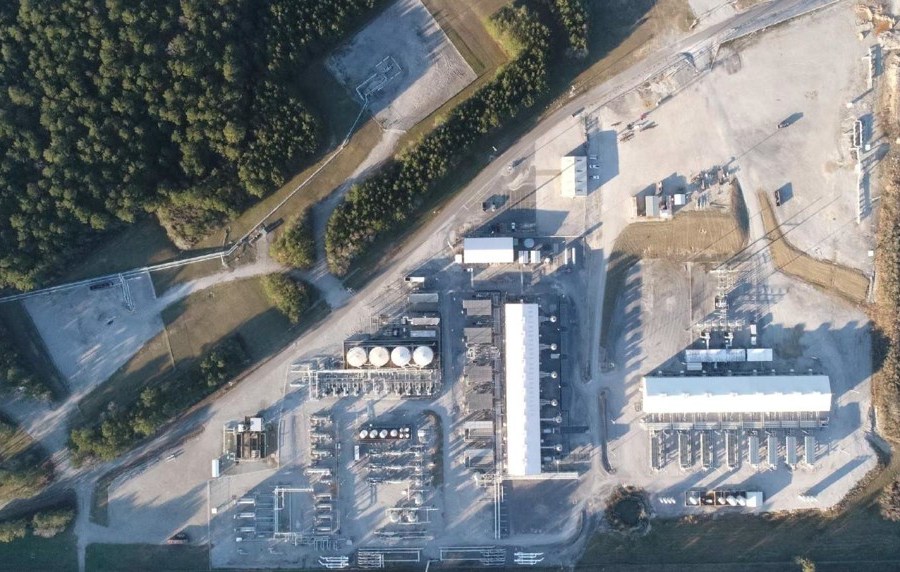
Vertical integration is the strategic case. The package spans Western Australia, Brazil and South Africa and gives Alcoa more control over bauxite mining, alumina refining and aluminium production, while excluding Mozal in Mozambique, according to ABC’s reporting. For a company that already describes itself as a pure-play upstream aluminium group, the purchase puts more of the feedstock chain inside the same corporate perimeter.
“These high-quality, globally relevant assets are a strong strategic fit within our portfolio and align directly with our strengths as a leading pure-play upstream aluminium company.”
William Oplinger, chief executive of Alcoa, in the company announcement
Why the structure matters
Resilience is part of what Alcoa is buying. Its presentation said the assets should strengthen the group’s mine-to-metal platform and improve supply-chain security. Raw-material disruptions have already moved back into industrial supply chains. The New York Times reported this week that shortages of aluminium-linked inputs were starting to delay some Japanese carmakers during the Strait of Hormuz crisis, a reminder that smelter economics still rely on logistics and intermediate supply.
Financing gives another read on management’s view of the cycle. A buyer expecting a sharp fall in alumina or aluminium prices would have had little reason to leave South32 with a price-linked upside payment. Alcoa instead paired cash with stock and offered sellers a way to benefit if prices stay firm. In the same transaction release, the company put expected integration gains at $900 million in net present value, mainly from scale and procurement. Using shares also reduces the cash Alcoa has to commit on day one.
What each side gets
For South32, the sale narrows the portfolio. The disposal gives the miner a cleaner upstream base-metals story instead of asking investors to value aluminium assets alongside the rest of its mix. “Our business will be simpler with a portfolio of higher margin upstream operations, reduced complexity and greater resilience,” Matt Daley, South32’s chief executive, said in comments carried by ABC. Former chief executive Graham Kerr said the transaction would unlock value for shareholders and reposition South32 around higher-margin upstream metals.
Geography makes the assets useful and raises the execution bar. A wider footprint in Australia, Brazil and South Africa gives Alcoa more control over ore and refined intermediate supply. It also leaves the company running sites across different regulatory, energy and labour settings. Tuesday’s share reaction showed that investors may accept the industrial logic, but still want evidence that the promised cost savings can be delivered.
For now, Alcoa is buying optionality in a market it expects to tighten. Bloomberg’s reporting framed the transaction as a bet on stronger long-term aluminium demand. The terms point the same way. If management is right, deeper control of bauxite and alumina should leave Alcoa less exposed to outside supply shocks and better placed when the cycle turns higher. If it is wrong, the company will have paid for size just as metals prices cool.
Naomi Voss
Banks and deals reporter covering bank earnings, fintech, M&A and IPOs. Reports from New York.