CMA CGM nears $1.4bn deal for FedEx logistics unit
CMA CGM nears a $1.4bn deal for FedEx's logistics unit, extending the carrier's US supply-chain push as 2026 M&A activity accelerates.
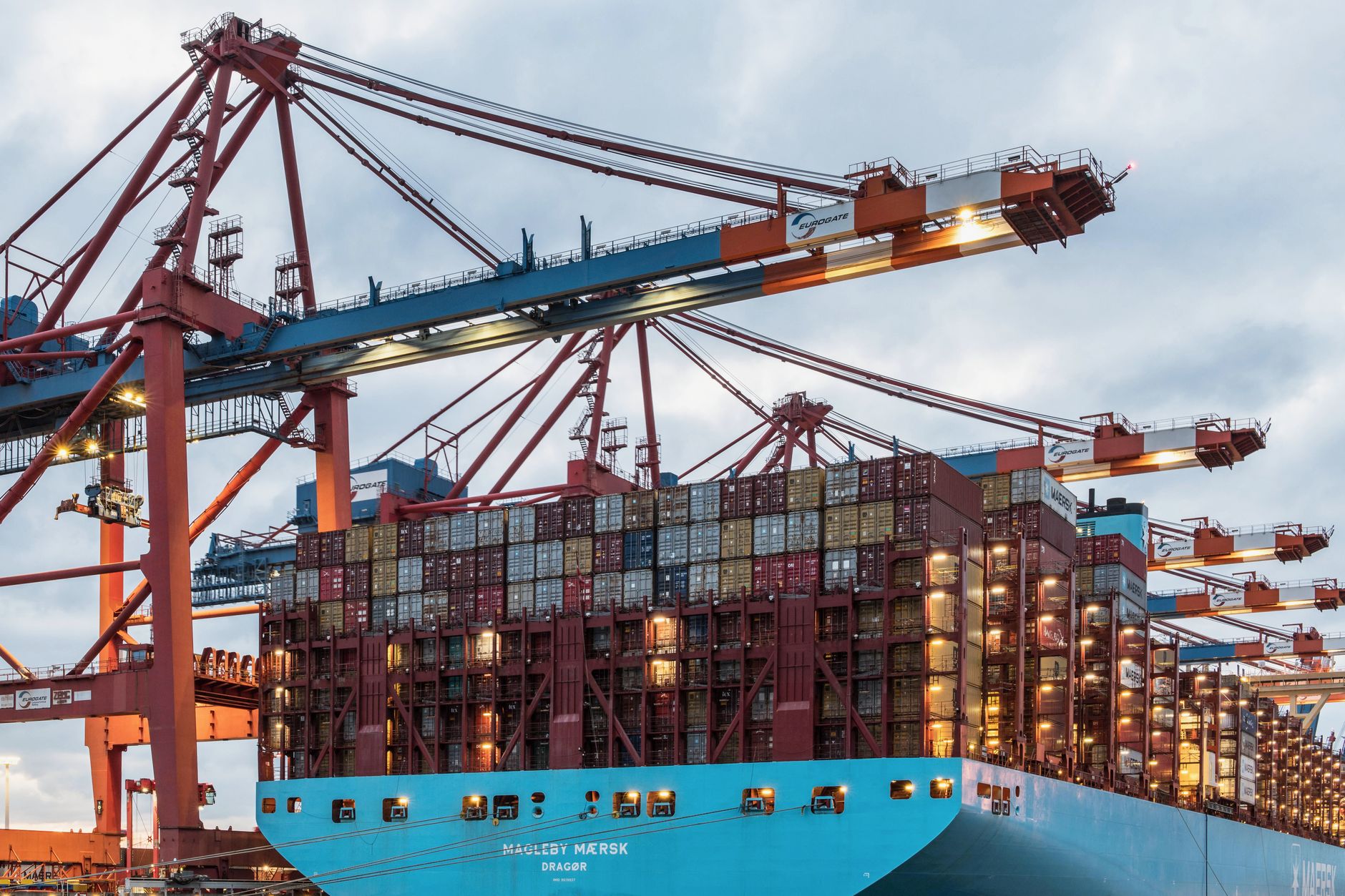
CMA CGM is nearing a $1.4 billion cash deal to buy FedEx’s third-party logistics business, the Financial Times reported on Wednesday, extending the French shipping group’s push into US supply-chain services. The report said the companies were close to an agreement, not that one had been signed. Late-stage talks can still slip, so the transaction remains a live negotiation rather than a closed sale.
The reported purchase would give CMA CGM more warehousing, fulfilment and contract-logistics exposure in the US, where FedEx sells supply-chain services alongside its better-known parcel networks. It would also add fee income that moves differently from container rates, the volatile source of cash that helped ocean carriers bulk up after the pandemic.
CMA CGM’s own results already point in that direction. The group reported $13.2 billion of first-quarter 2026 revenue and said CEVA Logistics revenue rose 6.6 per cent. Management described diversification across the wider value chain as a cushion while shipping markets stay uneven, a plain signal that the company wants more earnings away from spot freight.
In the same quarterly statement, chairman and chief executive Rodolphe Saadé framed the quarter around discipline rather than expansion for its own sake.
“In an uncertain geopolitical context, the Group delivered resilient performance in the first quarter of 2026”
— Rodolphe Saadé, CMA CGM
Saadé added that the company’s priority remained “protecting our people, managing risks with discipline and preserving the Group’s agility”. For a shipper, that points to the argument behind many logistics deals: warehouses, customer contracts and fulfilment work can soften the hit when spot freight markets weaken.
For FedEx, the asset sits inside supply-chain services rather than the express and ground networks most customers know. For CMA CGM, the case is cleaner. Customer contracts and order execution can deepen relationships that do not depend only on vessel capacity. At $1.4 billion, the reported price would be meaningful without carrying the financing load of a transformational takeover.
A longer logistics run
This would not be CMA CGM’s first step inland. Reuters reported in 2024 that the group agreed a roughly $5 billion deal for Bollore Logistics, a purchase that pushed it further into contract logistics and inland transport. The FedEx talks sit on the same line: use shipping-cycle cash to build a broader supply-chain platform, then keep more of the customer’s spending inside the group.
The market backdrop is also open to portfolio deals. Reuters reported that announced global M&A reached $2.8 trillion in the first half of 2026. The same report counted 47 deals above $10 billion, together worth $1.3 trillion.
Against that market, a $1.4 billion logistics carve-out is small by headline value. Strategically, it may still count. Focused asset sales can move faster than megamergers, particularly when the buyer already knows the customers, systems and routes it wants to add. For a seller, a carve-out can also release capital from operations that no longer sit at the centre of the group.
The appeal for freight investors is network density. A FedEx supply-chain unit would not turn CMA CGM into a parcel carrier. It would give the group more warehouses, more contract work and another set of customer touchpoints beyond port-to-port shipping. Those pieces are less glamorous than new ships, but they can make revenue less dependent on any single freight cycle.
The unresolved question is timing. The FT report said CMA CGM was nearing a deal; neither company had announced signed terms. If the talks hold, the purchase would show how freight groups are still trying to convert the pandemic shipping windfall into steadier logistics earnings in 2026. If they do not, the logic behind the approach is unlikely to disappear.
Naomi Voss
Banks and deals reporter covering bank earnings, fintech, M&A and IPOs. Reports from New York.