Williams (WMB) nears $5.5bn Momentum Midstream deal
Williams (WMB) nears a $5.5bn Momentum Midstream deal that would deepen its Gulf Coast gas network as LNG-linked pipeline values rise.
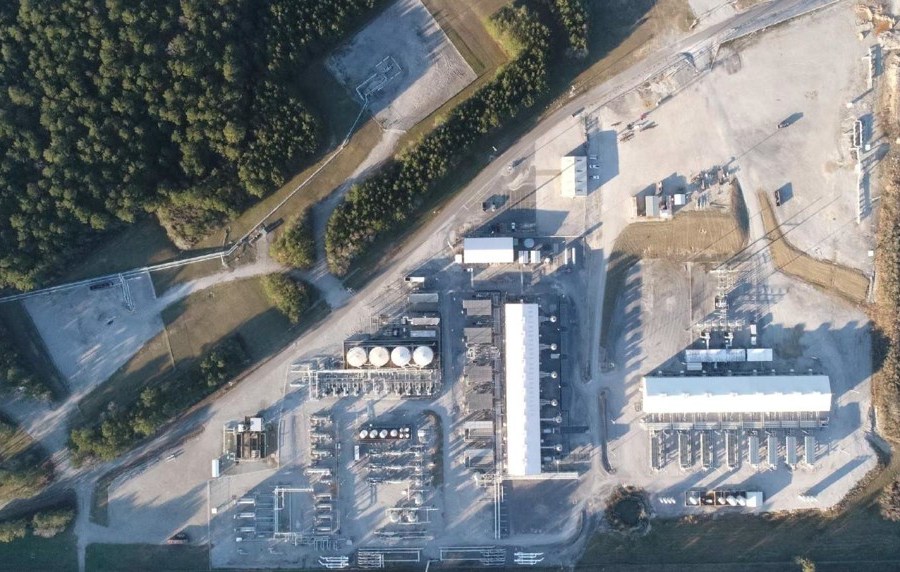
Williams Companies (WMB) is in advanced talks to buy Momentum Midstream for about $5.5 billion, Bloomberg reported on Sunday, citing people familiar with the matter. At that price, the transaction would rank among Williams’ largest deals and push U.S. natural-gas infrastructure consolidation further into the Gulf Coast.
Bloomberg said Momentum would give Williams more capacity to move Haynesville gas to export terminals. Momentum says its 4,000-mile system serves 10 LNG facilities and 26 power plants. That customer map is the attraction: pipes already running toward plants that burn gas or load it for overseas buyers. For a midstream company, the endpoint can be as valuable as the mileage.
Williams runs more than 30,000 miles of pipelines, according to Bloomberg, and the proposed acquisition would deepen a corridor where it already has scale. Yahoo Finance data showed the stock closed Friday at $77.92, giving Williams a market value of about $95.3 billion. A $5.5 billion purchase would be large enough to matter, but still digestible for a company of that size. The portfolio case is a denser Gulf Coast network, not a move into unfamiliar terrain.
EnCap Flatrock Midstream owns Momentum, Bloomberg reported. Private capital spent years building and bundling assets around prolific shale basins; strategic buyers can now buy systems with pipes in the ground, contracts in place and a direct line to LNG growth. Building that same footprint from scratch would mean permits, delays and higher political risk. A ready operating system also brings customer relationships that do not show up in mileage totals.
The deal would also arrive in a livelier M&A market. Transactions worth more than $5 billion accounted for almost half of global deal value in 2026 so far, according to PwC figures reported by CNBC. In that tape, a $5.5 billion midstream acquisition reads less like an outlier than a bid for scarce infrastructure with clear strategic use. For private-equity sellers, that is the exit window they wait for.
Gas-market politics add the broader frame. A New York Times analysis this month said the United States and Qatar were poised to provide most new LNG supply through 2030, leaving buyers unusually exposed to a small group of export hubs. Semafor reported this month that QatarEnergy told buyers it could restore about 50 per cent of output within a month of the Strait of Hormuz fully reopening. Gulf Coast pipe systems sit inside that energy-security trade, not beside it, because the export route is part of what buyers are trying to secure.
For Williams, the operating logic is plain. Momentum’s map points to LNG facilities, power plants and a Haynesville-linked header system, the kind of end-market exposure equity investors have been willing to reward. The pitch is control of a busy route to the Gulf, rather than a promise of elaborate cost savings. That makes the asset useful even before management puts a formal deal model around it.
That is why the talks look larger than a routine bolt-on. Bloomberg said the deal would be one of Williams’ largest ever, and the size suggests how highly the company values an asset that strengthens its Gulf Coast footprint. It fits a market preference for dependable cash flow and infrastructure scale over more speculative growth stories.
If talks produce an agreement at the reported price, Williams would be buying position as much as pipe: a ready-made link between upstream supply and coastal demand at a time when gas flows carry more geopolitical weight. For midstream owners and their private-equity backers, the signal is plain. In 2026, scale on the Gulf Coast still commands a premium.
Naomi Voss
Banks and deals reporter covering bank earnings, fintech, M&A and IPOs. Reports from New York.