TotalEnergies explores sale of 50% stake in European green assets
TotalEnergies is exploring a sale of a 50 per cent stake in 1.2 gigawatts of European wind and solar assets, a move that could raise several hundred million euros.
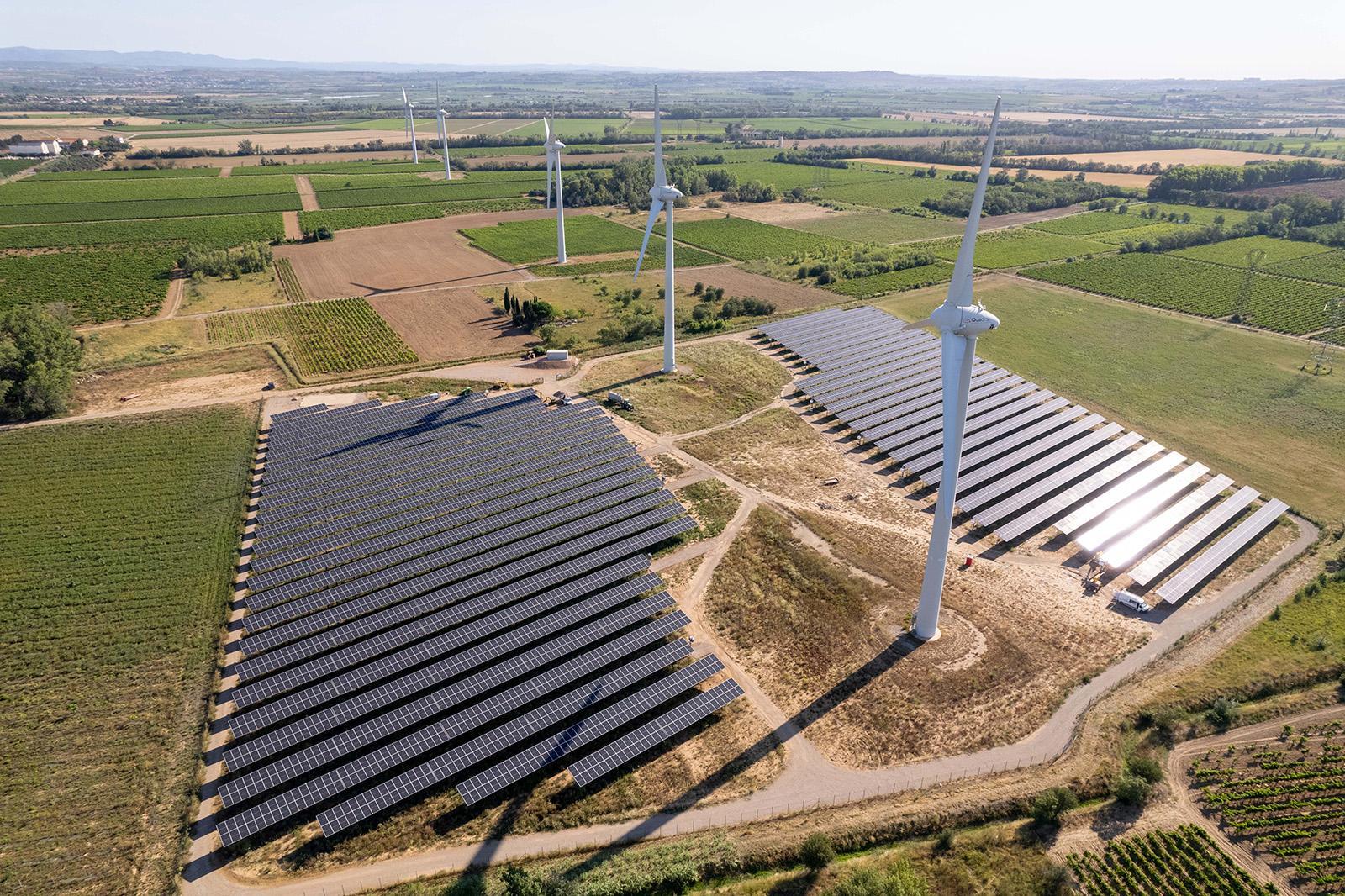
TotalEnergies SE is exploring the sale of a 50 per cent stake in 1.2 gigawatts of European solar and wind assets. The package could raise several hundred million euros, people familiar with the matter told Bloomberg.
The move fits a financing model TotalEnergies has used repeatedly in renewables. Once projects are commissioned and producing power, the company can bring in outside capital, recover part of its equity and put that cash into the next wave of development. Bloomberg said the French major wants power to account for 20 per cent of sales by 2030.
That makes operating assets easier to sell than a development pipeline.
A running wind or solar farm offers buyers visible output, lower construction risk and, in some markets, contracted revenue. Those are the traits infrastructure investors usually want. They are also the reason minority stakes can attract pension money and utility buyers that do not want to take permitting or build risk.
The timing matters because peers have become more cautious. Bloomberg said Shell Plc and BP Plc have stepped back from parts of their clean-energy push, leaving TotalEnergies to show it can keep building a power business without giving up return targets. On that reading, the proposed disposal is less a statement about climate ambition than a test of whether the renewable portfolio can fund more of its own growth.
TotalEnergies has already used the structure. In April it sold 50 per cent of a 1.4 gigawatt North America solar portfolio. Earlier it sold half of a 270 megawatt portfolio in France. In both cases, the company commissioned the assets, sold down part of the equity and used the proceeds to support the next cycle of projects.
In a statement on the North America sale, Stéphane Michel, president for gas, renewables and power, said the deal would “unlock value from newly commissioned assets” and strengthen the profitability of the integrated power business.
Why the sale matters
The same logic sits behind the European process. In an earlier Integrated Power & Renewables strategy update, TotalEnergies described acquisitions and farm-downs as part of the same capital-rotation system. Selling down operating assets reduces the equity burden on the parent, helps establish a market valuation for the portfolio and frees capital for storage, grids or fresh projects.
Potential buyers will look at a different calculation. Operating assets with construction risk behind them suit infrastructure funds, pension capital and utilities that want exposure to electricity output rather than early-stage development risk. If TotalEnergies gets the valuation it wants, the process would show that demand for de-risked European green assets is holding up even with higher financing costs.
A 50 per cent sale would still leave TotalEnergies with exposure to future power output.
It would also spread the capital burden with a partner, which is why a partial farm-down differs from an outright disposal.
Shares in TotalEnergies were down 1.38 per cent at 79.19 euros in Paris on Thursday, according to yfinance data. The muted reaction suggests investors see the process as incremental rather than transformational. Several hundred million euros would help funding flexibility, but the larger signal is strategic. Shareholders want evidence that renewables growth can be financed at the asset level rather than absorb more group capital.
That question extends beyond one package. Shell and BP have stepped back from parts of the clean-energy build-out, while TotalEnergies has kept expanding with tighter portfolio discipline. If the company sells half of an operating portfolio, it would not mark a retreat from green investment. It would show how management intends to keep building without asking public investors to finance every megawatt on the balance sheet.
Whether TotalEnergies proceeds with the package or changes it during talks, the process will offer a live signal on what private capital is willing to pay for operating renewable assets in Europe. For an industry trying to fund the energy transition without diluting returns, that valuation signal may matter as much as the cash itself.
Naomi Voss
Banks and deals reporter covering bank earnings, fintech, M&A and IPOs. Reports from New York.