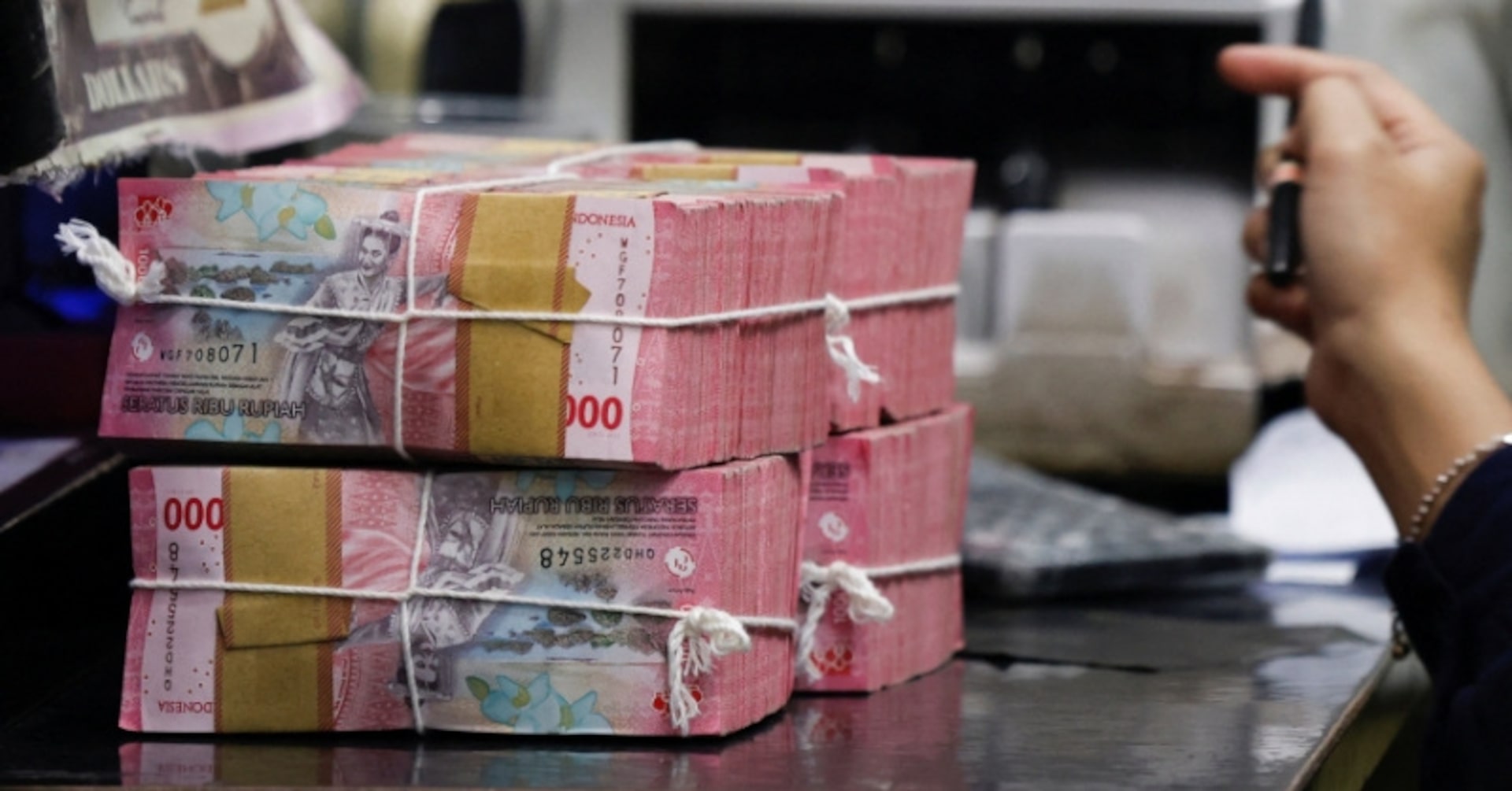
Indonesia banks repatriate $640M as Prabowo risk rises
Indonesia banks repatriated $640 million since 2024 as Prabowo's state-led turn deepened fears over rupiah pressure and local funding.
Citigroup ©, HSBC Holdings (HSBC) and Standard Chartered (STAN) have repatriated about $640 million of earnings from Indonesia since 2024, Bloomberg reported, as President Prabowo Subianto pushes Southeast Asia’s largest economy further toward state-led policy.
Dividend remittances happen in normal times, too. Here, the timing gives them a sharper reading. Foreign bank subsidiaries can retain profits locally to support capital, lending and expansion. Sending more cash back to parent companies points to a colder calculation: Indonesia may still be profitable for overseas lenders, but the same exposure now carries a heavier policy discount.
The concern has moved beyond bank treasuries. Indonesia’s parliament this month passed a bill expanding Bank Indonesia’s role to support growth, Reuters reported, adding to questions about policy independence. Bloomberg said the three largest foreign banks in the country have remitted 11.5 trillion rupiah over the past two years, turning the payout flow into a gauge of confidence as much as earnings.
Reuters’ June analysis of Indonesian markets showed how that confidence loss is being priced. The rupiah touched a record low of 18,190 per U.S. dollar, foreign investors had pulled a net $3.2 billion from stocks by the end of May, and overseas holders owned just 12.6 per cent of Indonesia’s government bond market. Foreign lenders are reacting to the loop: weaker confidence pressures the currency and local assets, making offshore capital easier to defend.
Why bank payouts matter
For banks, repatriation is quieter than a branch closure but can matter more for local credit. A foreign lender that sends a larger share of Indonesian profits back to London, New York or Hong Kong preserves flexibility elsewhere instead of compounding exposure inside the country. It is not an exit. It can still leave less room for aggressive balance-sheet growth just as policymakers lean harder on banks and the central bank to support broader economic goals.
Officials have tried to calm that trade. Bank Indonesia Governor Perry Warjiyo briefed foreign investors after a surprise rate increase, according to Reuters, as authorities sought to reassure markets over the rupiah and policy direction. The outreach underlined the risk: once confidence becomes the main variable, each policy shift is judged not only on growth but on whether it preserves the institutional guardrails that keep foreign money in local markets.
“Indonesia is suffering from a genuine confidence crisis, with serious governance red flags that overshadow any valuation argument.”
Tan Altundag, Global X ETFs, via Reuters
Altundag’s remark explains why the Bloomberg tally travels beyond banking. Banks can still earn money in Indonesia. The question is the risk premium investors and lenders attach to leaving that money there. Reuters also quoted Lombard Odier’s John Woods as saying “there is a doom-loop forming,” a phrase that fits a market where weaker inflows, a softer rupiah and doubts over policy independence start to feed one another.
What investors are pricing
The cleanest reading is that global banks are treating Indonesia as a place to harvest earnings carefully, not to recycle them automatically. That distinction matters for local funding conditions. If foreign-owned lenders retain less capital in-country, the effect can show up first in loan growth and market liquidity, well before a funding crisis. For Prabowo, the cost of a more interventionist stance is already being priced through bank behaviour as well as the currency and portfolio flows.
Indonesia still has time to slow that process. Until the rupiah steadies and investors are persuaded that growth policy will not come at the expense of central-bank independence, each dollar sent home by Citi, HSBC and Standard Chartered will read as more than a payout. It will read as a measure of how much Indonesia risk global finance is willing to keep onshore.
Naomi Voss
Banks and deals reporter covering bank earnings, fintech, M&A and IPOs. Reports from New York.