Fed inflation: Barkin says price pressures remain too high
Fed inflation remains above target, Tom Barkin said, even as some pressures ease, keeping the case for a restrictive policy stance intact.
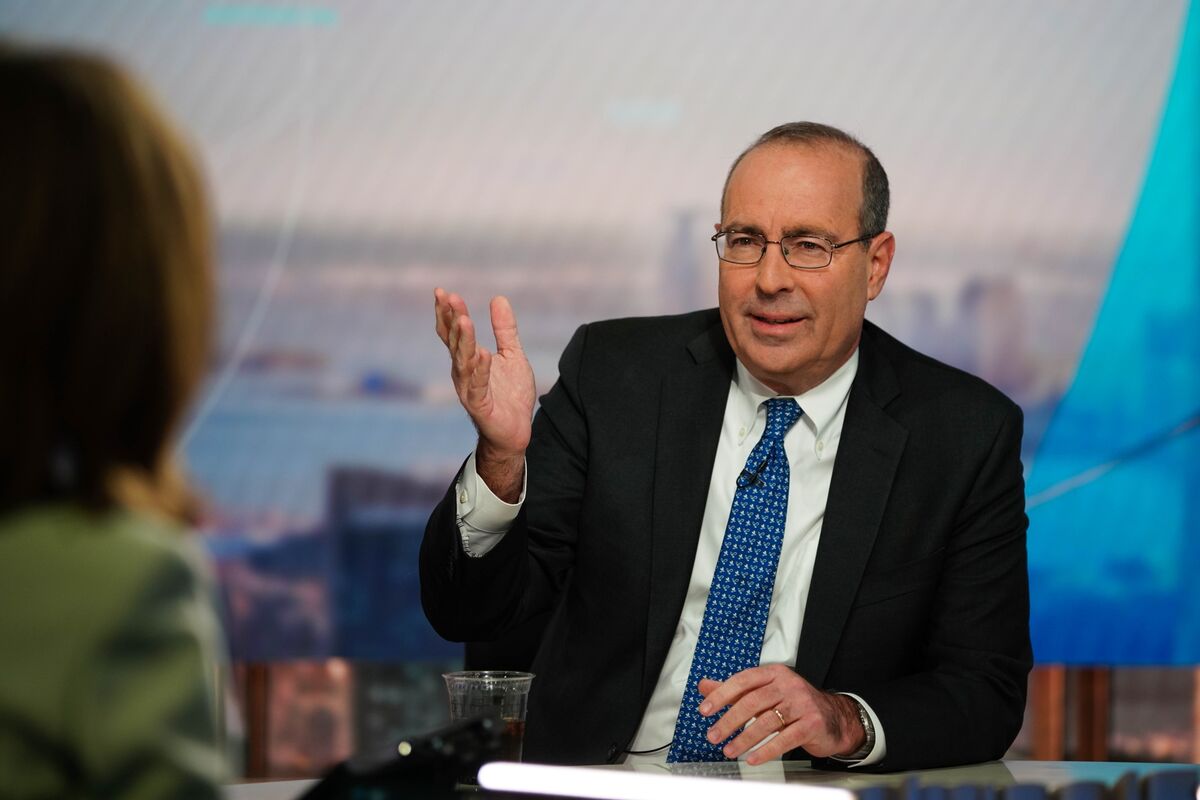
Richmond Fed President Tom Barkin said inflation is still too high even as parts of the price picture start to cool, keeping the Federal Reserve in a restrictive stance and giving investors little reason to expect rate cuts soon.
The numbers remain awkward for officials. May PCE inflation rose 4.1 per cent from a year earlier, Bloomberg reported, the fastest pace since April 2023. The Fed’s goal is 2 per cent, and inflation has spent more than five years above that target. A few softer pieces in the report do not yet prove the trend has broken.
That confidence gap is what Barkin is trying to mark out. One report can show relief in places while the broader inflation process remains hard to trust. After years of faster price growth, officials are looking for signs that wage-setting, contracts and company pricing are changing, not simply for one cooler line item.
Barkin put the point bluntly.
“Those numbers are too high,”
Tom Barkin, Bloomberg
Returning inflation to 2 per cent, he said, would be hard to trust without more help from the federal funds rate, the labor market or another force pulling prices lower. One better reading helps. It does not carry the whole argument.
Pricing behaviour is the other concern. Barkin said businesses still use current inflation when they set prices, a habit that can keep price growth alive even after some input costs ease. In that telling, the Fed needs broader evidence that behaviour has shifted before it can treat relief as durable.
“Businesses, when they set prices, take today’s inflation as a factor, and so I think there’s some persistence to inflation,”
Tom Barkin, Bloomberg
Markets are likely to hear the persistence line first. Scramnews has been tracking a wider repricing around a firmer dollar and slower easing expectations. The Washington Post reported that the dollar touched a 13-month high as foreign investors looked past political noise and focused on a policy backdrop still supportive of US assets. Barkin’s comments fit that trade.
Softer signals were not dismissed. The question inside the Fed is how much weight to give them, and whether they are strong enough to alter policy guidance. Rates markets usually move on confidence, not possibility. If a central bank sees improvement but doubts its durability, it is slower to prepare investors for cuts.
Quiet progress in the data can therefore coexist with the same policy message. Officials can acknowledge easing at the margin and still keep policy restrictive until the evidence broadens. Barkin sounded patient, not relieved.
What markets hear
For rates investors, the distinction matters. Barkin accepted that some pressure may be easing, but he withheld the confidence that would make that easing tradeable as a near-term policy pivot. Inflation is still running at more than twice the Fed’s target, and a higher-for-longer reading remains easier to defend while that is true.
A bond-market rally built on one cleaner inflation print is a narrow case. Barkin’s emphasis on persistence suggests several softer readings may be needed if companies continue to price around the recent inflation experience. Currency traders get a similar message: hawkish official commentary can support the dollar even when the speaker concedes that conditions have improved at the edges.
Barkin is one voice around a larger Federal Open Market Committee debate, and his remarks were not a decision. They do, however, spell out the tension shaping the Fed’s next move. Inflation may be easing in places. The evidence for a durable return to 2 per cent is still thin.
The next test is whether incoming inflation and labor-market data supply the disinflation Barkin says is missing. Until then, relief remains a data point, not a turn in policy. Markets will need more than a softer tone to price a full pivot.
Helena Brandt
Macro reporter covering the Federal Reserve, ECB, inflation prints and jobs data. Reports from Washington.