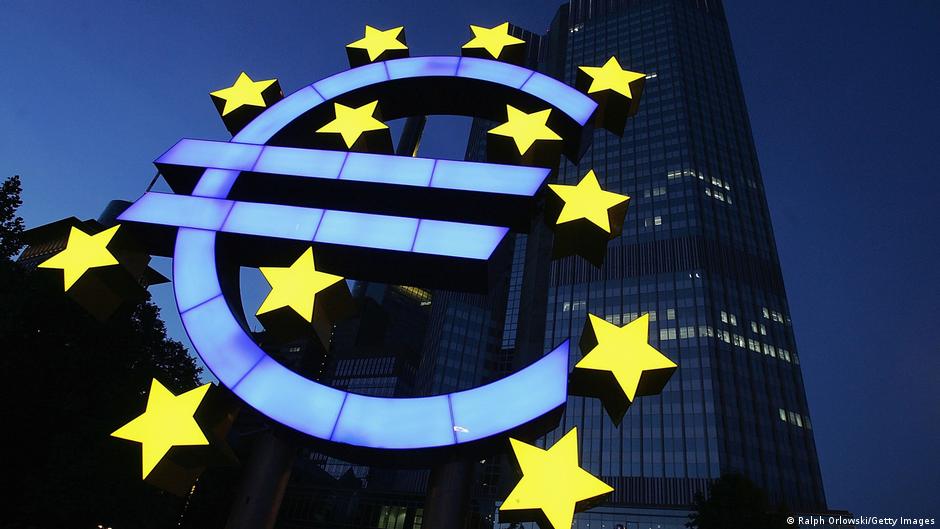
Digital euro clears EU Parliament hurdle for 2029 rollout
Digital euro talks moved ahead after EU lawmakers backed the legal framework, keeping the ECB pointed at a 2029 launch and payments autonomy.

A 2029 launch target for the digital euro moved closer on Tuesday after European Union lawmakers backed talks on the digital euro’s legal framework, bringing the European Central Bank project further into the bloc’s lawmaking process. Reuters said the step gives Brussels a stronger path to reduce the euro area’s reliance on US-dominated card networks and platform wallets.
No retail token appears in wallets because of Tuesday’s vote, and cash remains outside the immediate fight. What changes is the forum: a long-running ECB design exercise now becomes a negotiation over payments plumbing, privacy safeguards and the line between public money and private payment providers. Banks and card companies will read it as an early draft of a rulebook that could alter retail settlement across the bloc.
In a hearing before the European Parliament’s economic affairs committee, ECB President Christine Lagarde presented the committee’s backing as a political marker rather than a technical update.
“This is an important milestone in moving the digital euro project forward and anchoring it firmly in the democratic debate.”
Christine Lagarde, European Central Bank
EU officials have cast the digital euro as a payments-sovereignty project, not a crypto story. They want public money to remain usable in digital commerce while giving the region a homegrown alternative to payment systems controlled outside the bloc. The argument has become more explicit as Brussels ties monetary autonomy to financial infrastructure.
Why the vote matters
Lawmakers can now shape the legal architecture around the ECB’s proposed instrument instead of leaving the debate inside the central bank. Timing matters too. Reuters reported that the ECB still sees 2029 as the target for a full launch, with a 12-month pilot planned for the second half of next year. A project with a date, a pilot window and an active legislative track is harder for lenders, merchants and payment processors to dismiss as theoretical.
Under the compromise text, holding limits stay at the centre of the design and business access would be restricted to a 24-hour window, Reuters said. Those limits answer the bank complaint that a widely used digital euro could move deposits out of commercial lenders and into a state-backed payments instrument during market stress.
For lenders, the risk is large enough to shape the law before the pilot starts. Reuters cited ECB simulations showing withdrawals could reach €699 billion if individual holdings were capped at €3,000. The figure explains why lawmakers are spending less time on broad innovation claims and more on guardrails. A public digital wallet cannot become a faster channel for deposit flight.
Private-sector providers remain part of the bargain. Reuters said objections have persisted from groups that want private payment schemes to retain a meaningful role if the digital euro goes live. The legislative fight therefore reaches beyond the ECB’s balance sheet. It also concerns who controls the customer relationship, transaction data and acceptance network in a market still dominated by global card brands.
The remaining arguments
Laura Casonato told Reuters that the proposal reflects political compromises, a reminder that the framework still has to reconcile consumer choice, bank funding concerns and the ECB’s desire to keep central-bank money available in a digital economy. Tuesday’s vote narrows the dispute. It does not end it.
Fernando Navarrete Rojas told Reuters that the goal was not to push anyone toward a particular form of payment but to offer more options and preserve freedom of choice. That language is aimed at a familiar European concern: a central-bank digital currency could become a policy lever over how citizens pay. Optionality helps lawmakers widen support without abandoning the sovereignty argument that brought the project this far.
For markets, the near-term point is not that a digital euro is about to appear on phones. It is that the European Union has a clearer legislative lane for a payments project sitting at the intersection of bank funding, merchant economics and geopolitical autonomy. According to Reuters, the ECB pegs setup costs at €4 billion to €6 billion over four years, a sign that the bloc sees the initiative as core financial infrastructure rather than a side experiment.
The next 12 months will test whether Brussels can write a rulebook that keeps banks inside the tent while still giving the euro area a public digital payment option. Tuesday’s vote did not settle that balance. It did move the digital euro from aspiration toward implementation.
Tomás Iglesias
Financial regulation and legal affairs. SEC, CFTC, FCA, market-structure and enforcement. Reports from Washington.