Lime IPO: Uber anchor role tests 2026 listings demand
Lime IPO plans would bring Uber in as an anchor investor, pointing to a $200 million raise and a fresh test of 2026 listings demand.
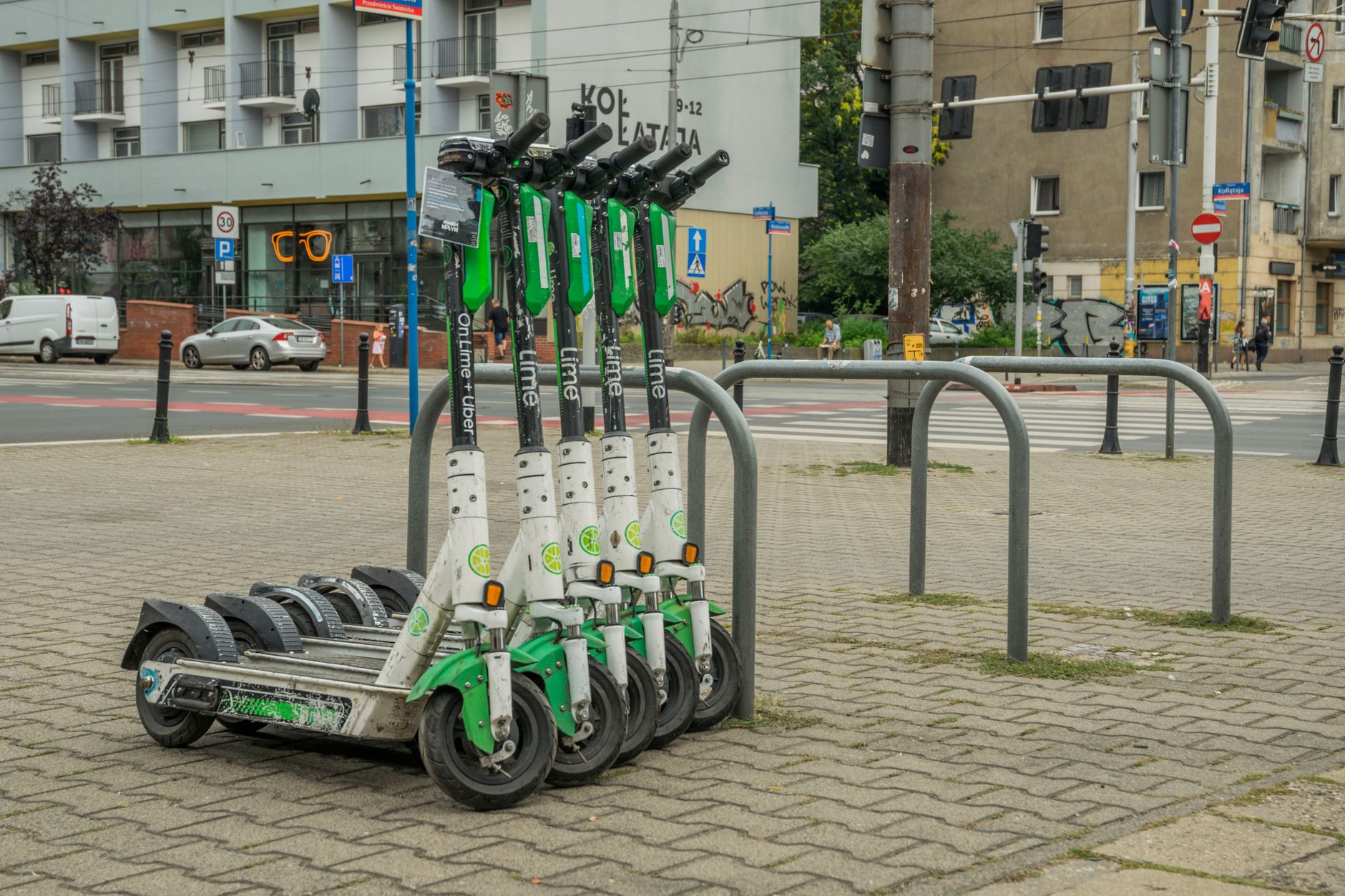
Lime is seeking about $200 million in a U.S. initial public offering at a roughly $1.8 billion valuation, and plans to name Uber as an anchor investor in the deal, according to Reuters, which cited The Information. The terms would give public investors a clear read on how one of the last venture-backed micromobility names expects to re-enter the market.
A road show is expected to start this week. Uber would make a meaningful investment and appear in Lime’s updated prospectus, the report said. Anchor money does more than fill an order book; it signals that a strategic investor is willing to support the valuation in public, not only in private rounds.
For equity capital markets, the question is narrow: can a company shaped by the late-2010s venture cycle return at a pragmatic price, with a strategic shareholder helping to frame demand? Lime is less a referendum on scooter enthusiasm than a test of how far the 2026 listings window has reopened.
At roughly $1.8 billion, Lime does not appear to be asking investors to restore the premium once attached to growth-first mobility platforms. Public buyers no longer reward those stories on trust alone. The number reads more like a clearing price for a business that has to sell durability, balance-sheet repair and sponsor support.
Pricing the deal
Under the reported terms, a $200 million raise at roughly $1.8 billion looks disciplined, not exuberant. Lime and its bankers appear to be trying to clear the market, leave room for aftermarket support and avoid the sharper discount that often follows an ambitious listing. Uber’s reported role is not cosmetic in that setup. A visible anchor can steady the book before generalist funds decide how much risk they want in a smaller transport float.
Balance-sheet repair is part of the pitch. The reported plan is to use proceeds to fund operations, repay debt and invest in complementary technologies, making the listing a financing reset as much as a branding event. Fresh cash would ease near-term pressure and let management pitch a cleaner capital structure, not just a growth story.
May’s filing already showed intent when Lime filed to go public in New York. The reported update changes the tone. A live road show with a named strategic buyer at the front of the book is different from a quiet placeholder registration. It tells investors the company is ready to move from paperwork to price discovery.
With Uber near the center of the book, Lime can argue that execution risk is lower than it would be for a stand-alone issuer without the scarcity value of the year’s largest offerings. The market still has to price the harder question: whether Uber sees enough operating logic and distribution value in Lime to back the company through a public listing.
What it says about the IPO market
IPO investors have shown through 2026 that they are open to venture-backed names again, even if the window remains selective. TechCrunch argued that Go’s large Japan listing mattered because it put a public-market narrative back around transport technology. The Block reported that Kalshi is in early IPO talks with banks. TechCrunch reported that SpaceX’s enlarged offering still drew follow-on demand.
Those deals do not prove every venture name can return on acceptable terms. They do give bankers something they lacked for much of the post-rate-shock period: current evidence that risk appetite is not confined to the very largest listings. Lime is smaller than the blockbuster names and closer to the group of issuers that missed the first reopening. A modestly priced deal with anchor support would be useful evidence for advisers pitching the next wave.
Compared with SpaceX or Go, Lime offers a smaller and more revealing test. It is not selling investors on a brand-new theme. It carries a familiar late-cycle venture profile, a named strategic backer and terms designed to get a deal done. That mix could tell bankers whether the 2026 reopening reaches beyond headline issuers into companies that missed the first window.
Reception is still uncertain. A lower-profile issuer has to show that proceeds can change the balance-sheet story and that demand will survive beyond the first few sessions. Lime’s updated prospectus and road show will matter less for what they say about scooters than for what they reveal about the depth of the 2026 listings market for companies returning with strategic support.
Naomi Voss
Banks and deals reporter covering bank earnings, fintech, M&A and IPOs. Reports from New York.