Lime IPO roadshow targets $181m at $1.8bn valuation
Lime IPO roadshow targets $181 million at a $1.8 billion valuation, putting Uber-backed micromobility demand in front of public-market investors.
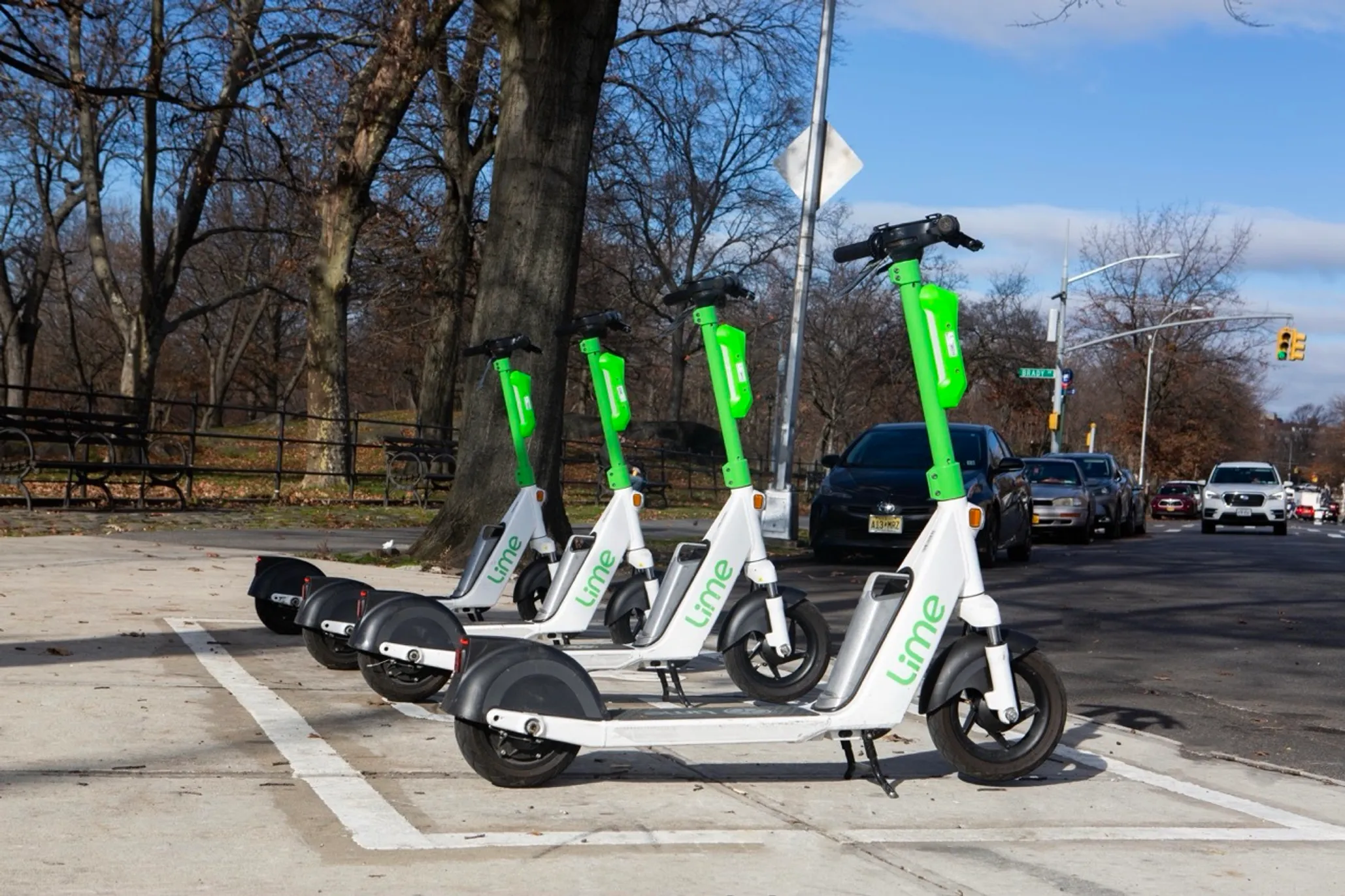
Lime’s amended S-1 set its roadshow at $24 to $26 a share on Sunday, putting the Uber-backed scooter and e-bike company on track to raise about $180.9 million at a roughly $1.8 billion valuation. That filing shifts Lime from private-market talk into an order-book test, with public investors asked to value a micromobility platform that still posts losses.
At $24 to $26, the range covers 6,956,522 shares of common stock in the offering, according to the registration statement. Posted terms are where the story leaves the teaser deck. Institutional accounts can push back on valuation, ask for a discount to balance-sheet risk, or let bankers know the range has enough demand to hold. For Lime, the test is whether orders come from investors beyond the hotter AI and software flotations that have driven much of 2026 issuance.
Scale is part of the pitch. The company reported 2025 revenue of $886.719 million and a net loss of $59.309 million, leaving the roadshow looking like a wager on operating leverage rather than a victory lap after a finished turnaround. Revenue quality matters, too. Scooter and e-bike networks carry seasonality, fleet repairs and city-by-city operating limits; they cannot be valued like subscription software just because they use a platform model.
Balance-sheet pressure sits beside the growth story. Lime said it had about $845.8 million of debt maturing within 12 months, and it plans to use proceeds to repay $115.0 million of term-loan borrowings. Management put the financing risk bluntly:
“As a result, management has determined that substantial doubt exists about our ability to continue as a going concern.”
Neutron Holdings prospectus, Amendment No. 1 to Form S-1
A line like that rarely kills an IPO by itself. It recasts the offer as part growth raise, part refinancing, with public equity accounts being asked to carry some of the balance-sheet work.
Uber factor
Uber adds both validation and concentration. Business Insider reported that Uber is Lime’s largest outside shareholder with roughly a 24.4 per cent pre-offering stake, and Lime has said the ride-hailing group has indicated interest in buying up to $20 million more shares in the IPO. Anchor demand helps in a roadshow, especially for a consumer-transport name that has been through several private funding cycles. It also raises a cleaner question for the book: how much demand comes from third-party funds once a strategic holder is already visible?
On operations, the relationship is central. Lime has said in its filing, in language carried by Business Insider, that access to Uber’s rider base helps it drive awareness without taking on the same upfront marketing bill it would face on its own. Separate filing disclosure showed Uber accounted for about 14 per cent of revenue, according to the amended S-1. Investors can treat that as proof of distribution, or as partnership concentration that deserves a discount.
Pricing is where those threads meet. Confidential filings and valuation talk do not say much about market depth. Published terms do. They reveal the discount buyers want for debt maturities, execution risk, and a model that still needs to turn scale into consistent earnings. Bloomberg’s reporting on the targeted $180.9 million raise confirmed Lime is in the market now rather than keeping a placeholder for later.
Market timing helps explain why the roadshow matters. Growth IPOs have found buyers in 2026, but the market has been selective about companies whose private-market pitch depends on future margins. Lime is selling a narrower proposition: its network is big enough, its cash generation credible enough and its Uber relationship useful enough to support a public valuation before durable net profitability arrives. The price terms in the filing put that claim in front of new investors.
A strong book, especially near the top of the range, would give transport-adjacent platform businesses a live marker for returning to the IPO screen. Softer demand or a cutback would send the other message: 2026’s IPO window may be open, but it is still selective, and investors want more than brand recognition and a strategic shareholder before they fund the next chapter.
Naomi Voss
Banks and deals reporter covering bank earnings, fintech, M&A and IPOs. Reports from New York.