Colombia election 2026: markets eye pro-business turn
Colombia election 2026 delivered a narrow win for Abelardo de la Espriella, giving investors a pro-business signal but a harder governability test.
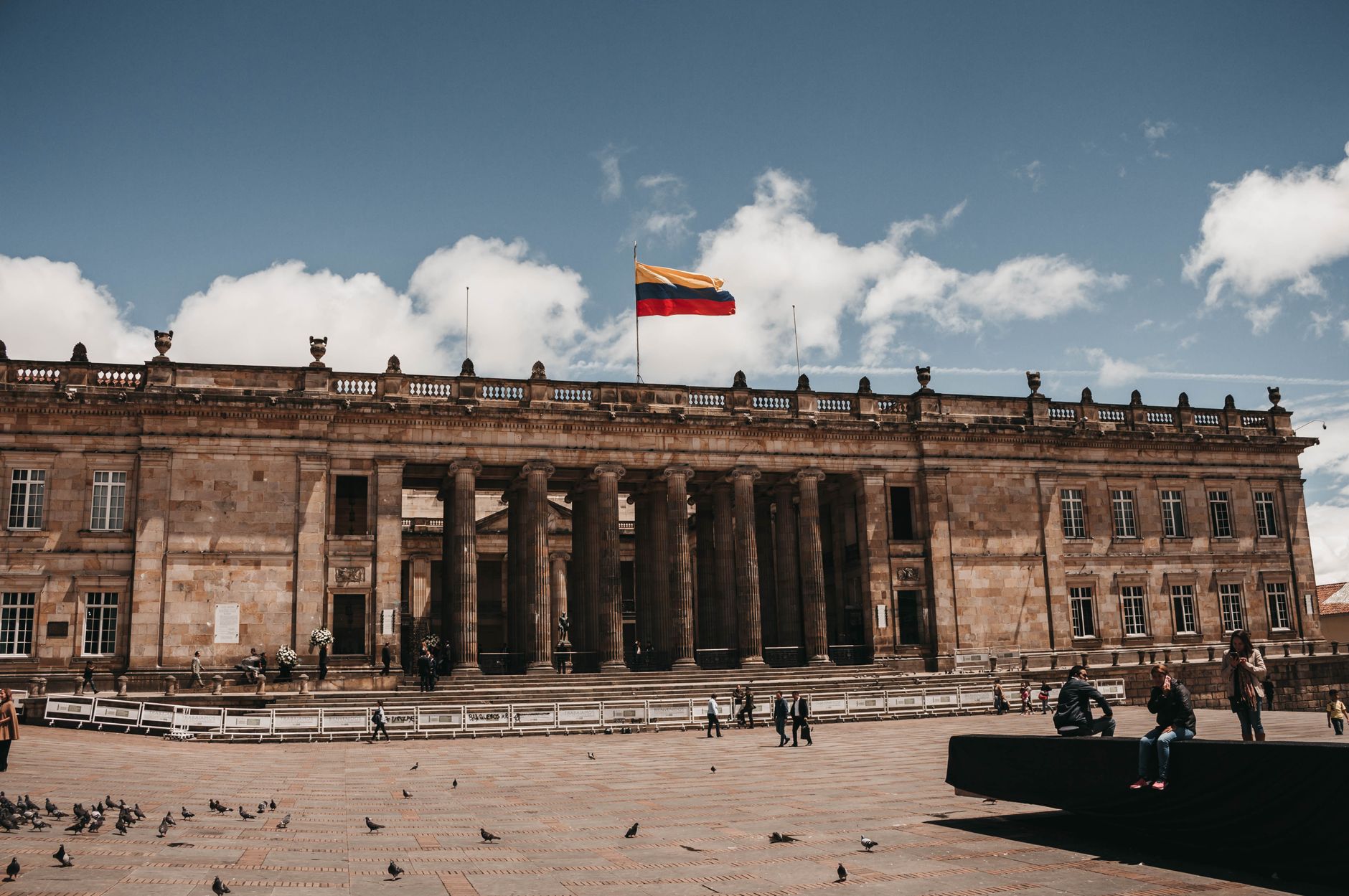
Colombia elected Abelardo de la Espriella president on Sunday by 49.7 per cent to 48.7 per cent with 99.9 per cent of polling stations reporting, handing investors a one-point pro-business result after four years of Gustavo Petro. Bloomberg reported that markets were likely to read the vote as a turn back toward business-friendly and pro-US policy.
Relief is the first market response, but not the whole trade. De la Espriella campaigned as a pro-business conservative, called for a harder security line and signalled closer ties with Washington. Foreign capital now has a cleaner policy map in one of Latin America’s largest commodity-linked economies. The politics are messier: the margin was one percentage point, a review of the tally was still pending and Bloomberg and Reuters both described a Congress likely to remain fractured.
More than 41 million Colombians were eligible to vote, according to Reuters. The campaign had started to move expectations weeks earlier, when de la Espriella took a surprise first-round lead on May 31. That upset told money managers he was no longer a fringe protest candidate. Sunday’s result turned the market thought experiment into a governing test.
De la Espriella, described by Reuters as a conservative lawyer and by Bloomberg as a Trump ally, sold the vote as a reset from Petro-era policy uncertainty. For markets, it was a blunt election-night contrast: business confidence on one side, and an opponent investors associated with more intervention and weaker debt discipline on the other.
Reuters quoted Sergio Guzmán, founder of Colombia Risk Analysis, as warning that the narrow finish leaves the next administration with little room for mistakes even if asset prices welcome the result.
“Given how closely contested this election was, Colombia is entering a very challenging period.”
Sergio Guzmán, founder of Colombia Risk Analysis, in Reuters
What markets are buying
The relief trade starts with what investors thought they had avoided. Reuters said market participants worried that a victory for leftist senator Iván Cepeda could weaken central-bank independence and fiscal discipline. De la Espriella instead ran on fracking, more oil exploration and a broader pro-market turn.
In Colombia, those positions matter because the peso, sovereign bonds and local equities still trade through commodity revenues, borrowing costs and confidence in policy orthodoxy.
That makes the election a repricing event before it becomes a governing story. Bloomberg’s election-night account said stocks, bonds and the peso were likely to rally, a sign that investors saw policy risk shifting in a friendlier direction for business. Relief can fade quickly, though. A currency or bond spread can move on the promise of fiscal discipline long before Congress, cabinet appointments and protests test whether that discipline is real.
The politics around the win add another layer to the trade. Donald Trump’s endorsement before the runoff gave the race a geopolitical charge beyond tax, spending or energy policy. Argentine President Javier Milei’s celebration of the result cast it as part of a wider regional ideological swing. Some investors will treat that as a stronger pro-business signal. Others will price in a higher chance of domestic backlash and policy noise.
Where the risks remain
The one-point margin is the reason a market-friendly headline still carries a volatile risk premium. De la Espriella said, according to Bloomberg, that he would respect the constitution, govern on behalf of all Colombians and not persecute anyone. Those assurances matter because a president elected so narrowly starts with little political cushion if coalition talks stall, protests grow or a legal challenge keeps the country in campaign mode.
Congress is the first institutional test. Reuters and Bloomberg pointed to a fragmented legislature, leaving energy, fiscal and pro-business reforms dependent on coalition bargaining rather than a clean presidential mandate. Investors who like the prospect of more drilling and steadier policy will still want evidence in cabinet choices, budgets and bills that can survive scrutiny.
Colombia’s result fits the 2026 Latin American trading pattern without copying it. Elections across the region have become vehicles for pricing fiscal discipline, reform credibility and commodity exposure country by country. Colombia now offers a clearer policy direction than it did a month ago. It also leaves the familiar question of whether pro-market rhetoric can survive fragmented legislatures and polarised electorates without becoming legislative gridlock.
History argues against reading the result only through election-night enthusiasm. De la Espriella’s rise from first-round surprise to Sunday’s win was fast, and that speed is part of the challenge. Runoff coalitions do not automatically become governing coalitions once questions turn to spending, security and institutional independence.
For now, investors have a defined policy wager. De la Espriella’s victory suggests a friendlier stance toward business, the energy sector and ties with the US. It does not yet prove that a narrowly won mandate can deliver those promises without reopening the political volatility that markets want to leave behind.
Helena Brandt
Macro reporter covering the Federal Reserve, ECB, inflation prints and jobs data. Reports from Washington.