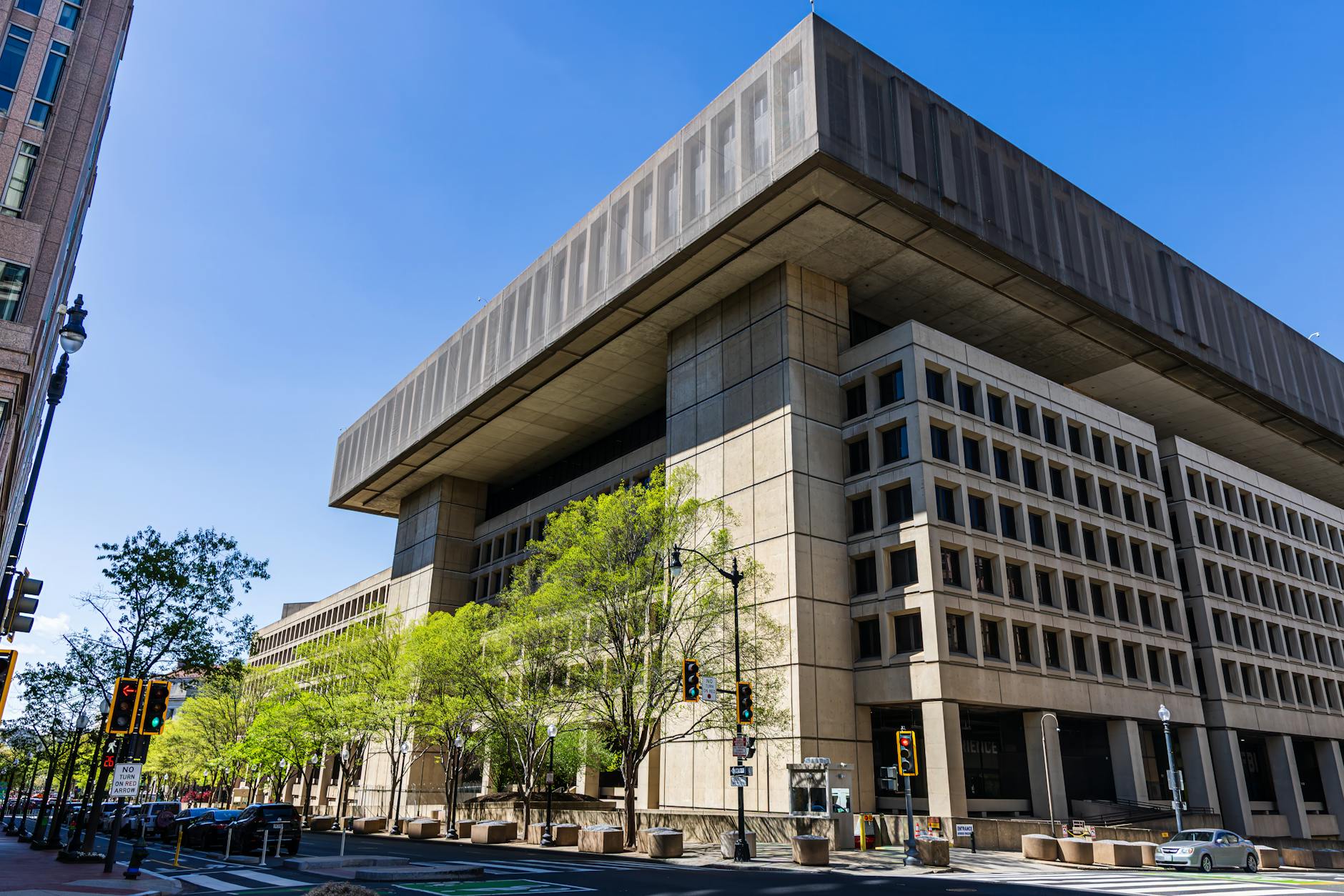
CME CFTC perpetual futures lawsuit tests swap rules
CME's CFTC perpetual futures lawsuit challenges whether bitcoin perps belong under futures rules or Dodd-Frank swaps oversight.
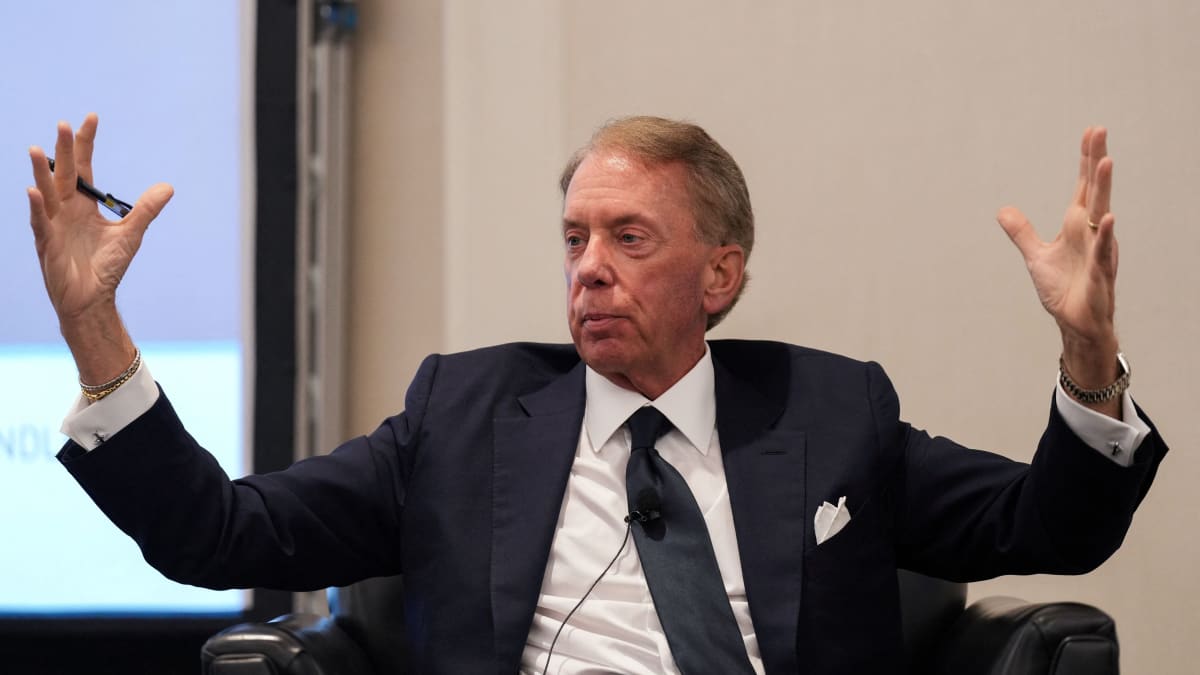
CME Group shares fell 3.61 per cent to $252.54 on Tuesday, according to Yahoo Finance data, after chief executive Terrence Duffy said the exchange operator would sue the Commodity Futures Trading Commission over its approval of bitcoin perpetual futures. The move pulls a crypto-market product into a U.S. market-structure fight between the country’s largest listed derivatives exchange and its main futures regulator.
The dispute turns on whether the contracts belong in the futures bucket the CFTC used for Kalshi’s BTCPERP approval or in the swaps framework created under Dodd-Frank after the financial crisis. CME’s case, as Duffy put it in an interview with CNBC, is that perpetuals look more like swaps because they do not expire like listed futures. The label matters: compliance, capital and oversight rules differ, and new rivals get a different route to market.
Duffy said the fight is not only about legal definitions. CME is also defending the benchmark business behind much of its futures franchise, with Duffy arguing that even if perpetuals spread through regulated U.S. venues, pricing still runs through data the company licenses.
“I’m always up for a good battle.”
Terrence Duffy, CME chief executive, on CNBC
He added that CME holds “an exclusive license with every single provider of the benchmarks.” For the exchange, that is a moat worth defending if crypto-style perpetuals become a fixture in onshore derivatives.
Why classification matters
The CFTC said this week that it had approved KalshiEX’s BTCPERP contract as a regulated futures product rather than a swap. CFTC chair Michael Selig, defending the decision in a separate CNBC interview, said “It’s time to approve regulated futures contracts that have no expiration date.” If a court accepts CME’s argument that perpetuals sit under swaps rules, the approval process becomes as important as the product.
The challenge reaches beyond one bitcoin contract. As The Block reported, CME plans to argue that the products should be handled under Dodd-Frank’s swaps regime. The case would test how far the CFTC can stretch the futures label as crypto market structure moves into mainstream U.S. venues. It would also give incumbent exchanges a way to slow products that threaten to compress fees or reroute trading volumes.
Competition is already building. In late May, Kalshi announced it planned to launch crypto perpetual futures. The Block later reported that the CFTC had opened the door for Coinbase and Kalshi to move forward with similar contracts in the U.S. On Sunday, Kraken launched crypto perps in the U.S. on Kraken Pro, adding another venue to a category long dominated by offshore exchanges. For CME, the lawsuit is about who gets to host the next wave of derivatives activity, not just one approval order.
What comes next
Duffy has been warning for weeks that perpetuals could bring too much leverage into U.S. markets. Earlier coverage from The Block described his view that the contracts could become a “disaster waiting to happen” if traders can take oversized positions with too little friction. Selig and other supporters of approval argue the opposite: regulated domestic venues are safer than leaving U.S. traders on offshore platforms with looser guardrails. The legal clash puts those arguments in court rather than on television.
Investors appear to see more than a narrow crypto dispute. CNBC reported earlier this month that exchange stocks had already come under pressure as Wall Street weighed whether perpetuals could spread to other asset classes. CME generated $6.52 billion in annual revenue, according to Yahoo Finance data cited in the research, leaving much more at stake than one niche launch if the format becomes standard across regulated markets.
The threatened suit matters beyond bitcoin for that reason. A court fight would help define whether crypto-style perpetuals are an extension of listed futures or a swap-like instrument that demands tougher oversight. It would also decide how much room newer venues have to challenge incumbents such as CME as digital-asset products move deeper into the U.S. financial system.
Tomás Iglesias
Financial regulation and legal affairs. SEC, CFTC, FCA, market-structure and enforcement. Reports from Washington.