BOE rate hikes gain support as Iran war strains unity
BOE rate hikes are back in view as inflation expectations rise and officials debate whether Iran-war price pressure needs another move.
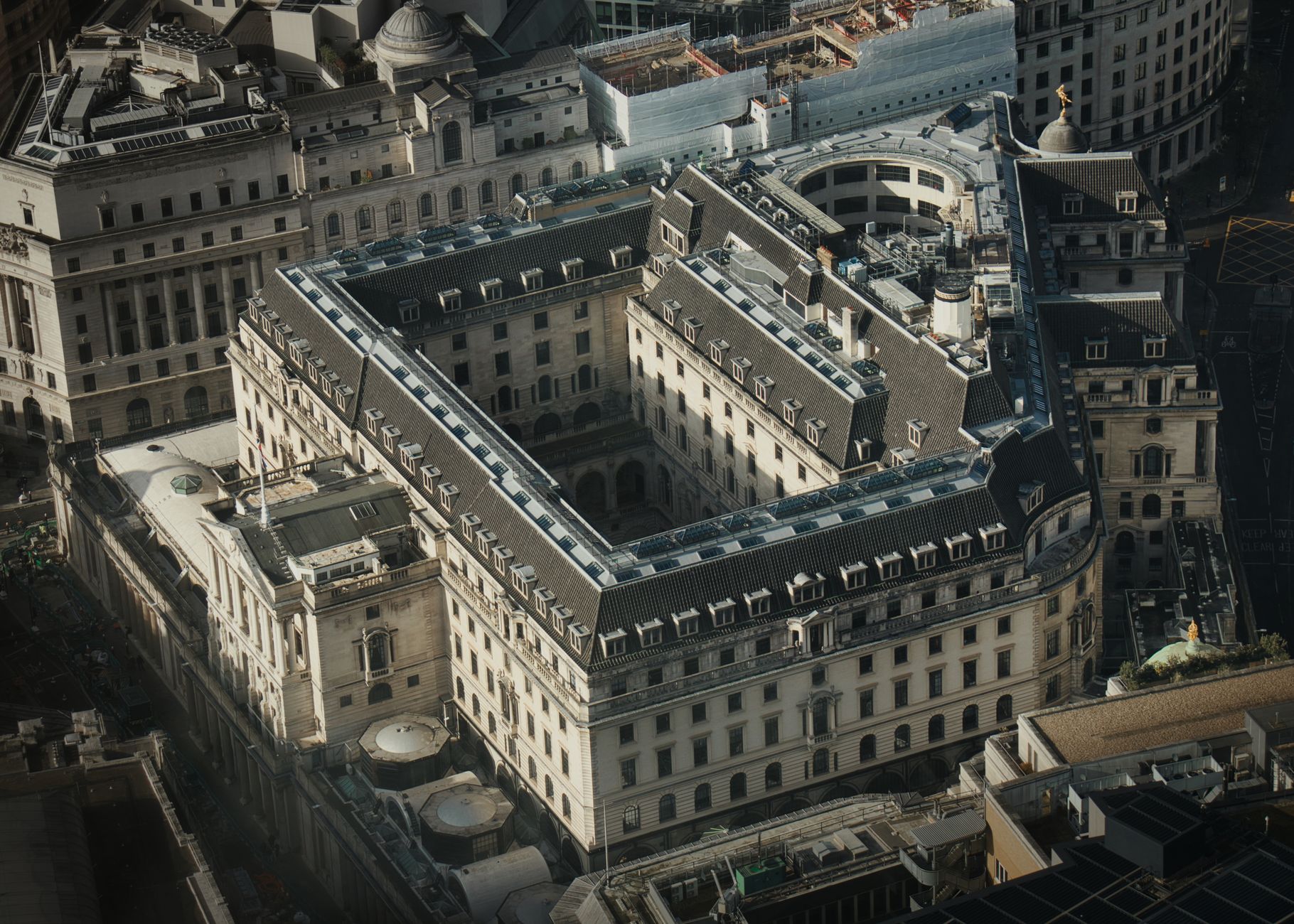
The Bank of England is expected to leave Bank Rate at 3.75 per cent on Thursday, but the vote may show a bigger pro-hike camp after the Iran war pushed inflation risk back up the agenda. Economists expect the Monetary Policy Committee to hold for a third straight meeting, Reuters reported. Bloomberg Economics said additional officials could join the minority calling for higher borrowing costs.
April’s vote was cleaner. The committee voted 8-1 to leave rates unchanged, with Chief Economist Huw Pill alone backing an increase to 4 per cent. At first, the war gave policymakers a shared line: oil and imported prices were lifting inflation risk, but weak demand argued against moving too quickly. That line is no longer holding as neatly.
Megan Greene has made the clearest public case for another move. The MPC member told Reuters this month that the danger was not limited to the first hit from higher energy prices. Households and companies could start treating those prices as a guide for wage demands, contracts and margins.
I think the case for hiking rates grows as the conflict wears on and believe a tightening in monetary policy over the next few weeks or months may be necessary,
Megan Greene, Reuters
Recent survey data make that argument harder to dismiss. UK public expectations for inflation over the next year rose to 4 per cent in May from 3.2 per cent in February, according to Bank of England figures reported by Reuters. Expectations five years ahead climbed to 3.9 per cent, the highest since the series began in 2009.
Why expectations matter
For the MPC, a supply shock becomes more dangerous when it starts to look like a credibility problem. A one-off oil surge can be looked through if pay settlements and pricing plans stay anchored. A rise in medium-term expectations is harder to ignore because it suggests companies and workers are starting to doubt the Bank’s 2 per cent target.
The Bank warned in April that persistent pressure from the conflict could require what it called “forceful tightening in monetary policy”. Markets have shifted in the same direction. Reuters reported that traders fully price one quarter-point BOE hike over the rest of 2026, with only about a one-in-three chance of a second.
Bailey has tried to keep the debate in the hold camp. The governor’s argument is that market pricing has already tightened financial conditions, with gilt yields, mortgage rates and business funding costs responding before the committee has changed Bank Rate.
We have already tightened policy considerably in response to the shock relative to what had been expected by markets. And that is already affecting the economy,
Andrew Bailey, Reuters
That leaves the case for a cautious June signal rather than an immediate hike. The economy has softened at the same time inflation risk has risen. UK output contracted 0.1 per cent in April, according to BBC Business, and the lag from higher rates is still feeding into household and corporate debt costs.
A signalling meeting
Thursday’s decision is less about whether 3.75 per cent is the peak than about how much dissent the Bank is willing to absorb. If Pill remains alone, Bailey’s active-hold strategy survives. If Greene or another member joins him, June will look more like the point where the Iran shock moved from a temporary inflation problem into a renewed tightening debate.
The wider central-bank backdrop gives the decision another edge. The European Central Bank has already chosen to hike into the supply shock, a contrast that MarketWatch described as a break from the Federal Reserve’s wait-and-see stance. The BOE does not need to follow that path this week. It does need to show whether its inflation-fighting coalition is still intact.
Helena Brandt
Macro reporter covering the Federal Reserve, ECB, inflation prints and jobs data. Reports from Washington.