China mBridge payments near $69bn in dollar-rail test
China mBridge payments near $69bn as Beijing pushes a central-bank rail that could cut trade settlement costs and reduce dollar dependence.
About Rmb470bn ($69bn) has moved across mBridge, the China-backed cross-border digital payments project, as Beijing prepares a commercial rollout designed to give exporters a settlement rail outside the dollar-dominated banking system.
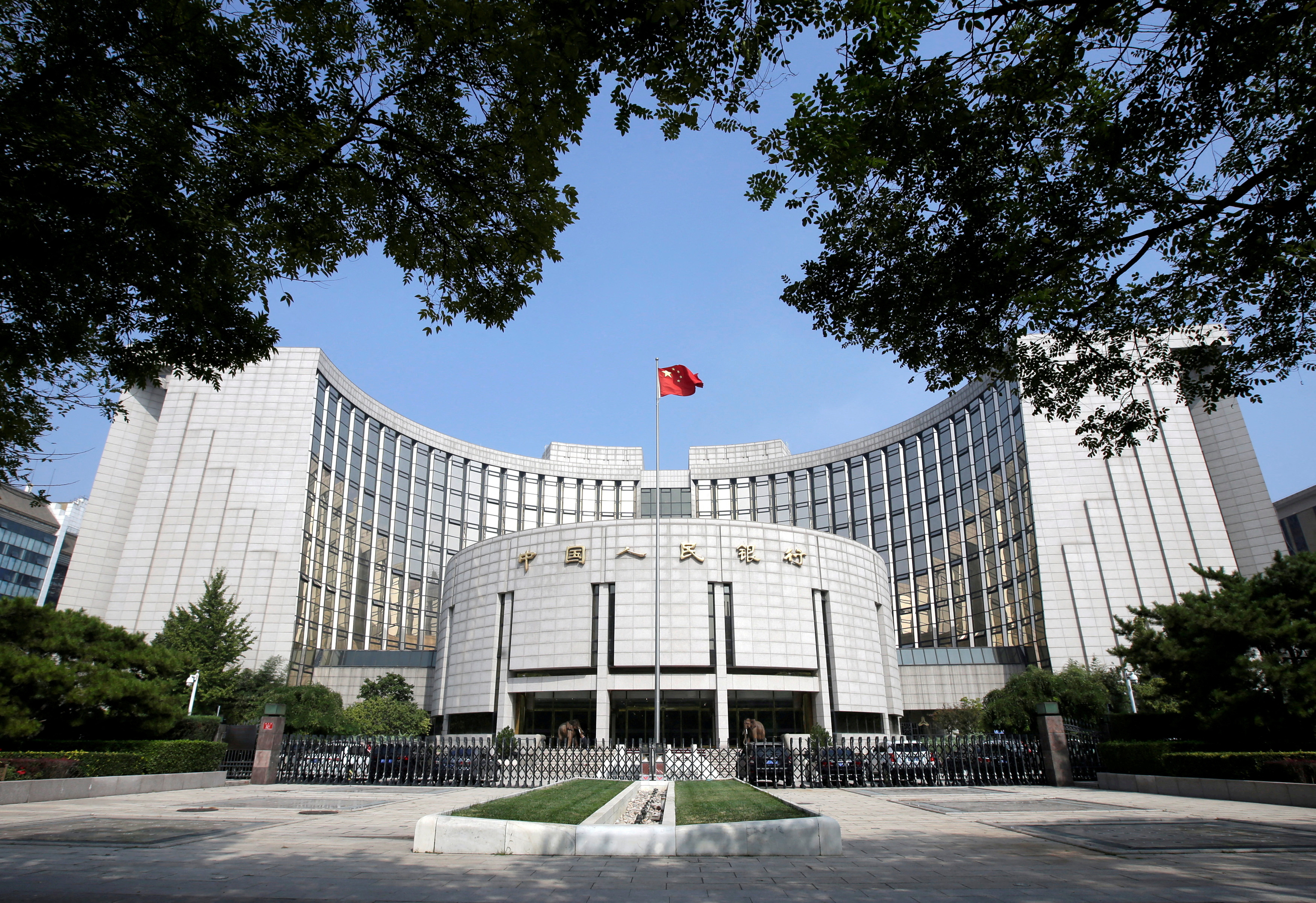
Five central banks back the platform: the People’s Bank of China, the Hong Kong Monetary Authority, the Bank of Thailand, the Central Bank of the United Arab Emirates and the Saudi Central Bank. The Bank for International Settlements says Project mBridge reached its minimum viable product stage in mid-2024 after tests focused on faster, cheaper and more transparent cross-border payments.
The $69bn transaction tally, reported by the Financial Times, does not make mBridge a dollar replacement. It does change the way the project should be read. A central-bank digital currency trial is becoming trade plumbing just as Beijing and several commodity-linked economies are looking for ways to reduce their reliance on dollar clearing.
For companies, the appeal starts with cash flow. Conventional correspondent banking can leave exporters waiting for payment while fees and foreign-exchange spreads pass through several intermediaries. mBridge is designed to settle central-bank digital currencies directly between participating jurisdictions.
That could shorten the gap between shipment and cash receipt for smaller firms.
“For exporters, it speeds up cash turnover and reduces the risk of liquidity strains,” Wang Jian told the FT.
The politics explain why the project is drawing attention well beyond corporate treasury desks. Tom Keatinge, director of the Centre for Finance and Security at the Royal United Services Institute, told the FT that “there is an alternative financial systems arms race going on quietly in the background.” Gene Ma, head of China research at the Institute of International Finance, said the global payments landscape was fragmenting into competing networks, with mBridge set to be one of them.
Why the rail matters
mBridge sits alongside China’s Cross-Border Interbank Payment System and its wider digital yuan work, giving Beijing another channel for renminbi settlement through trade corridors. The Atlantic Council said the platform had processed more than 4,000 cross-border transactions by late 2025, worth $55.49bn. That figure is below the latest FT-reported tally, but the direction is the same.
Beijing is not alone. Reuters reported in May that top central banks were testing always-on cross-border payment systems with more than 40 commercial banks. The work is technical, not just diplomatic: settlement windows, liquidity management and compliance checks are hard to rebuild. It is also strategic, because the owner of a payment rail can set standards before market share looks threatening.
Stablecoins offer a different answer to the same settlement problem. Dollar-backed tokens keep the dollar at the centre of the transaction while promising faster transfers and 24-hour availability. mBridge points the other way, toward central-bank money, multiple jurisdictions and non-dollar trade if enough banks and exporters decide the economics work.
For Washington, the immediate risk is not that mBridge knocks the dollar out of reserves. The dollar’s depth, Treasury-market liquidity and network effects remain far beyond any CBDC platform. The narrower risk is more durable: a growing share of trade could settle on rails where US banks, messaging systems and sanctions chokepoints have less reach.
The BIS no longer owns the project as it did during the research phase. The FT reported that the institution stepped back in 2024 under pressure from Washington, leaving the participating central banks to push the platform forward. That handoff matters because mBridge is no longer just a multilateral lab exercise with a Swiss-based convenor.
It is becoming a system led by countries with a direct interest in alternatives to dollar settlement.
Adoption is still the constraint. Banks and exporters will use mBridge only if it is cheaper, reliable and liquid enough to beat existing channels. The participating central banks also have to square faster settlement with capital controls, anti-money-laundering checks and local rules on data. That is a difficult mix in a network spanning China, Hong Kong, Thailand, the UAE and Saudi Arabia.
Even so, the $69bn figure shows the project has moved beyond white papers. In global payments, infrastructure often changes slowly until a new rail is already processing meaningful volume. China is trying to make sure this one is ready before the dollar system has to answer it.
Naomi Voss
Banks and deals reporter covering bank earnings, fintech, M&A and IPOs. Reports from New York.