China's cheap yuan turns panda bonds into a funding rival
China panda bonds are drawing Wall Street banks and sovereign borrowers as near-2 per cent yuan funding undercuts dollar markets.
Foreign banks, sovereign borrowers and multinationals sold 137.1 billion yuan of panda bonds by the second week of June, up 80.4 per cent from a year earlier, as onshore yuan funding stayed roughly half the cost of borrowing in dollars.
For funding desks, that is the entire pitch. CNBC reported that foreign banks can currently raise yuan at about 1.7 per cent to 2.2 per cent, versus 4.5 per cent to 5.5 per cent in dollar markets. What used to look like a niche China financing channel is starting to look like a real alternative to the market that normally sets the price for everyone else.
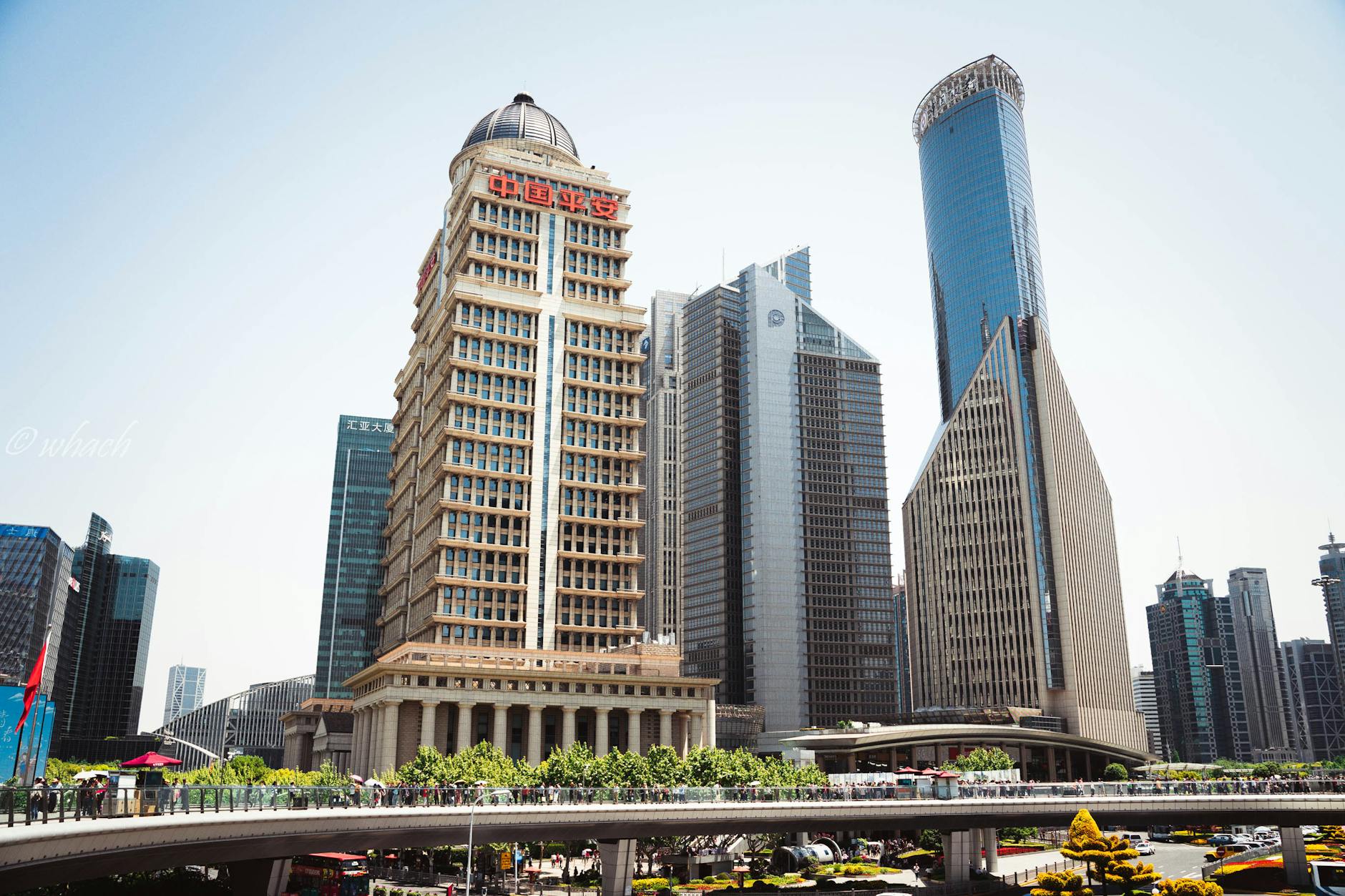
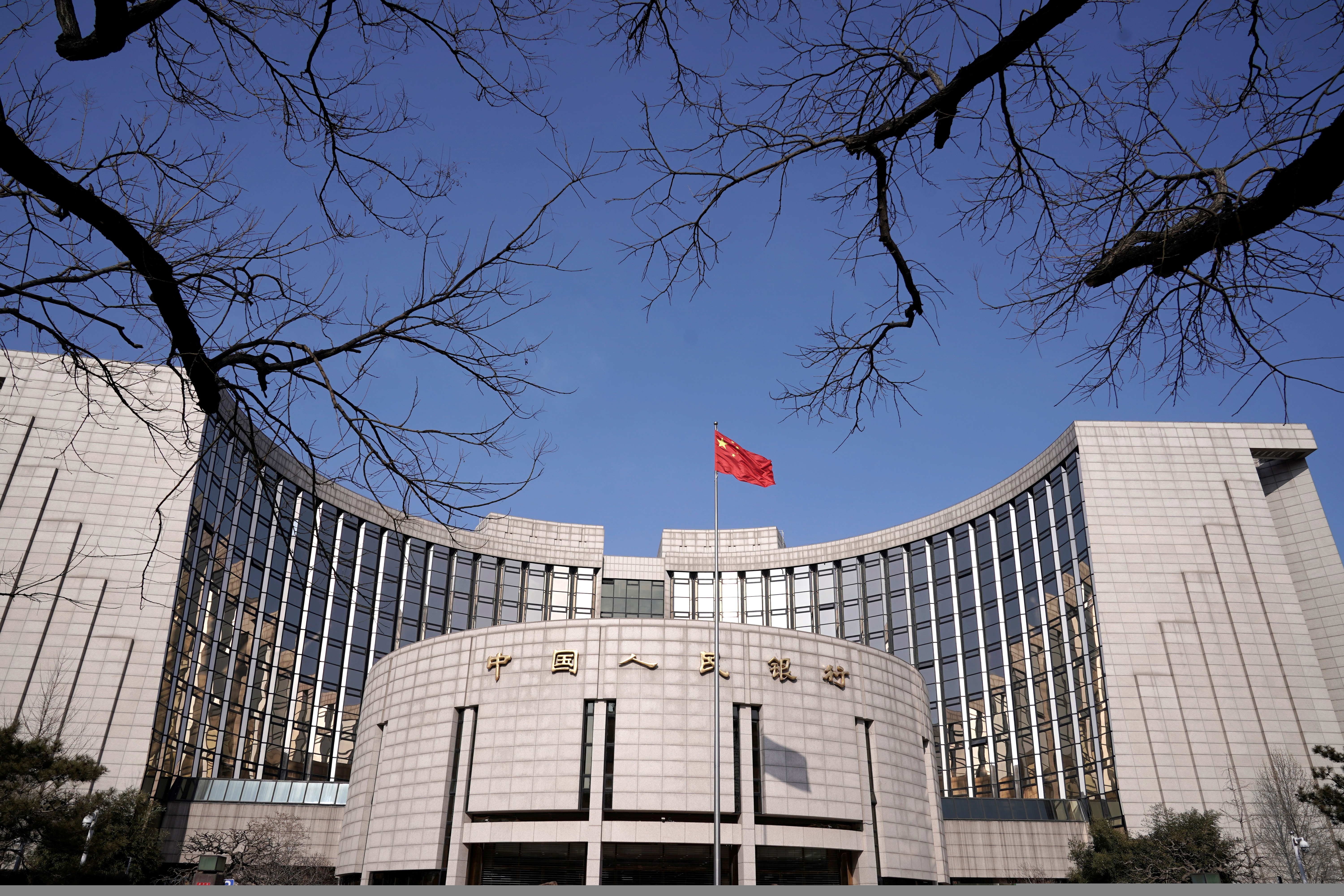
But the same story looks different from Beijing’s side. Cheap money alone would not have been enough if proceeds were still hard to move and offshore institutions still struggled to obtain yuan liquidity. In his Lujiazui Forum speech this month, PBOC governor Pan Gongsheng tied China’s next phase of market opening to offshore renminbi development and deeper financial-market plumbing, a reminder that panda bonds work only if policy makes the market usable as well as inexpensive.
Issuance is no longer a one-year spike. Record volume of 197.8 billion yuan in 2024 did not fade into a curiosity: panda-bond sales reached 183.1 billion yuan in 2025 and are already running ahead of last year’s pace. The market is not replacing dollars. It is, however, becoming big enough that foreign borrowers now have to ask whether a yuan term sheet deserves the first look.
Why the spread matters
The analyst case is straightforward: panda bonds become compelling when the funding gap is wide and sticky. Reuters reported in August 2024 that foreign issuers were already exploiting heavy domestic demand and lower local rates. What is different in 2026 is the scale of the spread and the range of borrowers willing to use it, from Wall Street banks to sovereign issuers and European multinationals.

Moody’s framed the arithmetic bluntly in comments carried by CNBC:
“We view the key driver as the interest rate gap: funding in RMB is much cheaper than in U.S. dollars.”
— Moody’s Ratings, via CNBC
Rates strategists still ask whether this is structural or just a carry trade with Chinese characteristics. For now it is both. The immediate trigger is pricing. If U.S. borrowing costs fall sharply while Chinese yields rise, the incentive weakens. But the market does not need permanent supremacy over dollar funding to matter. It only needs a spread wide enough, for long enough, to change issuer behaviour.
Alicia Garcia Herrero of Natixis put it even more plainly in remarks cited by CNBC:
“It’s basically the old yen idea. It’s cheap funding.”
— Alicia Garcia Herrero, Natixis, via CNBC
The analogy is useful because it strips away some of the mystique. Panda bonds are not suddenly popular because foreign borrowers discovered ideological enthusiasm for the renminbi. They are popular because treasurers respond to price. The difference is that this funding trade is happening inside a market Beijing wants to deepen for strategic reasons of its own.
Cheap money is not enough
Price gets borrowers into the room. Market design decides whether they stay. CNBC’s reporting noted that earlier capital controls and limits on how panda-bond proceeds could be used had long kept the market from becoming mainstream for foreign issuers. The latest shift is that Beijing appears more willing to reduce those frictions while also tightening its grip on short-term money-market benchmarks.

Reuters reported on June 17 that the central bank is pushing overnight borrowing costs more closely toward its seven-day reverse repo rate, part of a broader effort to make short-term pricing more legible. That does not sound like a panda-bond story at first glance. It is. Overseas borrowers can tolerate a controlled market more easily when they understand how liquidity will be supplied, what collateral can do for them and where policy rates are meant to trade.
Dan Wang of Eurasia Group described the bank logic in remarks carried by CNBC:
“Banks need larger RMB liability and RMB asset holdings to remain key relationship banks and market makers for China-linked clients.”
— Dan Wang, Eurasia Group, via CNBC
From a foreign-bank balance-sheet perspective, that is the point. Banks are not only lowering their own funding costs. They are building the capacity to serve clients whose trade, supply chains or investment flows already touch China. In that sense, a panda bond is less a one-off financing choice than a way to buy operating relevance in the world’s second-largest economy.
It also partially answers the policy question that hangs over the market: does wider liquidity access actually make renminbi funding more usable? It does, at least enough to broaden the issuer base. It does not eliminate capital-account limits, and it does not remove currency risk if the renminbi weakens. But it reduces the operational penalty that used to make cheap onshore funding harder to use outside mainland China.
What the borrower mix says
The clearest sign that panda bonds are changing is not the coupon. It is the company they keep. Deutsche Bank said this month that it had issued a 3.5 billion yuan multi-tranche panda bond, its second such deal of 2026. CNBC reported that Morgan Stanley, Volkswagen and Henkel are also among the foreign borrowers tapping the market. Add Kazakhstan and Pakistan on the sovereign side, and the borrower list starts to look less like a curiosity and more like a funding ecosystem.
The sovereign angle matters because it shifts the story from corporate arbitrage to state-level finance. Reuters reported on June 5 that Brazil planned to announce its first panda-bond issuance during a China visit. If that pipeline keeps growing, panda bonds cease to be only a way for companies with mainland operations to match assets and liabilities. They become a tool countries can use to diversify away from pure dollar dependence, especially for trade and project financing tied to China.
For multinationals, the appeal is less geopolitical than operational. A company with renminbi payrolls, suppliers or onshore investment plans can use panda proceeds to match currency exposure rather than funding everything through a dollar treasury book. That helps explain why the recent issuer list spans Wall Street banks and industrial names alike: the market is becoming a balance-sheet tool, not a headline statement about the currency order.
There are limits. The dollar still dominates reserve holdings, trade invoicing and the benchmark curves global borrowers use every day. Hedging costs can erode the headline rate advantage. And a market built on policy discretion can change quickly if Beijing decides capital retention matters more than access. Foreign issuers know that. They are coming anyway.
Viewed that way, panda bonds look less like a passing arbitrage and more like a test of how far China can internationalise the renminbi through price plus plumbing. Pan’s Lujiazui remarks and Beijing’s effort to shape short-term rates suggest the official side understands the assignment. The market does not have to dethrone the dollar to matter. It only has to become reliable enough that foreign borrowers check China before they default to New York.
Sloane Carrington
Markets columnist. Analytical pieces and deep-dives on monetary policy, capital flows and corporate strategy. Reports from New York.